






The Unchanging Core of Tai Chi
Before exploring the benefits of a beach setting, it is crucial to understand that the location does not alter the foundational principles of Tai Chi. This ancient Chinese martial art is built on concepts like slow, controlled movements, deep, rhythmic
breathing, and maintaining an upright, relaxed posture. The goal is to facilitate the flow of 'Qi', or life energy, promoting harmony between mind and body. Whether you are in a polished studio or on the wet sand, these core tenets remain the same. The practice is about internal focus and structural alignment, which are portable skills. A change of scenery is not a change in philosophy; it is simply a new environment in which to explore the same profound movements you already know.
A New Sensory Dimension
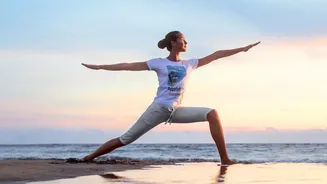
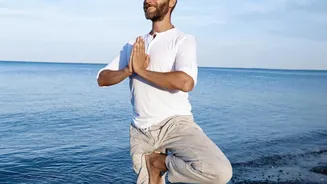
Practicing on a beach introduces a rich sensory experience that can deepen the meditative aspects of Tai Chi. The rhythmic sound of the waves provides a natural, calming cadence for your movements and breathing, helping you maintain a steady and focused pace. The vast, open horizon can foster a sense of expansiveness, while the fresh ocean air encourages deeper, more restorative breaths, improving oxygen delivery throughout your body. This form of 'eco-mindfulness' helps lower stress and anxiety by engaging your senses with the natural world, shifting your nervous system from a state of alert to one of rest and recovery. Instead of the four walls of a room, your focus is drawn to the interplay of water, wind, and sky, enhancing mental clarity.
The Grounding Effect of Sand
One of the most significant physical changes when moving your practice to the beach is the surface under your feet. The uneven and yielding nature of sand challenges your body in new ways. To maintain stability during the slow, shifting movements of Tai Chi, your core and smaller stabilising muscles in your legs and feet must work harder. This actively improves your proprioception—your body's awareness of its position in space—and can significantly enhance your balance over time. The sand forces you to truly 'root' yourself, a key concept in Tai Chi. Whether on firm, wet sand near the water's edge or softer, dry sand further up the beach, your body constantly adapts, building a stronger and more resilient foundation.
Connecting with Nature's Flow
Tai Chi philosophy is deeply connected to the principles of nature, including concepts of Yin and Yang and the Five Elements (earth, water, fire, wood, and metal). Practicing outdoors, especially near water, makes these abstract ideas tangible. The fluidity of your movements can mirror the ebb and flow of the tide, while the act of grounding into the sand connects you directly to the earth element. This synchronicity allows for a more profound connection to your surroundings and the art form itself. The experience becomes less of an exercise and more of a moving meditation in partnership with the environment, allowing you to feel a part of the natural rhythm around you.
Tips for Your Beach Practice
To make the most of your beach session, a little planning goes a long way. Early morning or late afternoon are often the best times, offering cooler temperatures, softer light, and fewer crowds. Dress in light, comfortable clothing that allows for a full range of motion. While some practitioners enjoy being barefoot to feel the sand, flexible shoes with a good grip are also an option if you prefer more support. Start on a patch of firm, damp sand, as it provides a more stable surface than soft, deep sand. Pay attention to your surroundings, but do not let them become a distraction. Instead, integrate the sounds and sensations into your practice as a way to enhance your focus and enjoy a truly refreshing experience.