





The Green Ideal vs. The Daily Grind
On paper, the hierarchy of green commuting is simple. Walking and cycling are champions, producing virtually no emissions. Following closely are public transport options like buses and trains, which significantly lower carbon output per passenger compared
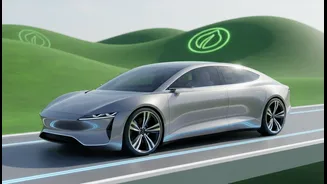
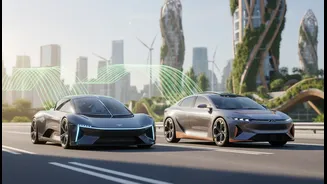
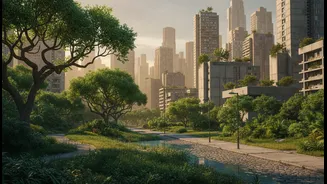
to individual cars. Then come electric vehicles (EVs), offering a way to decarbonise personal transport. The logic is sound: fewer individual cars running on fossil fuels means cleaner air and a healthier planet. For many, the motivation is strong, driven by a desire to reduce pollution and live more sustainably. This ideal pictures a world of seamless metro rides and safe, dedicated bike lanes, making green choices easy and efficient.
The Currency of Time and Convenience
The first and perhaps biggest hurdle is time. A journey that takes 30 minutes by car can often stretch to over an hour via public transport, involving changes, waiting times, and last-mile travel from the station or bus stop. For a working parent juggling school runs and office hours, or a professional with a demanding schedule, this extra time is a luxury they cannot afford. Personal vehicles offer unparalleled flexibility—the ability to run errands, respond to emergencies, or simply leave on your own schedule without consulting a timetable. This convenience is not a trivial matter; it is a crucial component of managing a complex modern life, and one that greener alternatives often struggle to match.
The Reality of Cost
While we often hear that green transport saves money, the financial equation is more complicated. The upfront cost of an electric vehicle, for instance, remains a significant barrier for many Indian households, even with government incentives. While running costs are lower, the initial investment is substantial compared to a conventional petrol car. Even cycling, seemingly the cheapest option, has hidden costs. A reliable commuter bicycle, along with safety gear like a helmet, lights, and locks, requires an initial outlay. And while a single bus or train ticket is inexpensive, monthly passes for a family can add up, sometimes rivalling the cost of fuel for a two-wheeler, which remains a popular choice for its affordability and convenience.
Infrastructure and Safety Concerns
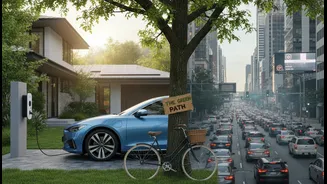
Choosing a green commute depends heavily on the infrastructure available. Many Indian cities lack a comprehensive network of safe, continuous cycling lanes, forcing cyclists to compete with much larger, faster-moving vehicles. This makes safety a primary concern, deterring many would-be bike commuters. Similarly, the reach and reliability of public transport can be a deciding factor. Overcrowding, infrequent services, and a lack of last-mile connectivity are common issues. For EV owners, the scarcity of charging stations, especially in residential buildings and outside major urban centres, creates 'range anxiety' and logistical challenges. Without robust, safe, and reliable infrastructure, the most well-intentioned commuter will struggle.
Finding a Practical Balance
The goal isn't to abandon green ambitions but to acknowledge the real-world constraints. For some, a fully green commute might be possible and rewarding. For others, a hybrid approach might be more realistic. This could mean using public transport three days a week and driving on the other two when family commitments require it. It could involve driving an EV to a metro station and completing the journey by train. The idea is to find what works for your specific circumstances. Pushing for systemic change—better infrastructure, safer cycling lanes, and more accessible public transport—is just as important as individual choices. The responsibility for a greener future doesn't fall on commuters alone; it is a shared effort.