




The Ayurvedic Blueprint for Rain
Across India, traditional monsoon diets are often guided by Ayurvedic principles. The rainy season, or 'Varsha Ritu', is considered a time when the body's digestive fire ('agni') is at its weakest. This makes us more susceptible to infections and digestive issues.
The solution? Eat warm, light, and freshly cooked meals. This is why you'll see an emphasis on ingredients like ginger, turmeric, black pepper, and cumin in monsoon cooking. These spices are believed to aid digestion and boost immunity. Heavy, raw, or cold foods are generally avoided, paving the way for a menu of steamed dishes, nourishing soups, and simple meals like khichdi, which is celebrated for being easy to digest.
North India: Hearty and Hot
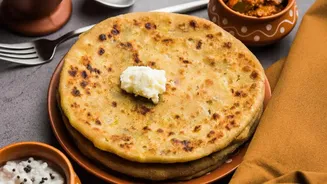
In the North, the arrival of monsoon clouds is a cue for indulgence in hot, crispy snacks. Piping hot samosas with mint chutney, assorted pakoras (fritters) made from potatoes or onions, and spicy aloo tikkis become street-side staples. These fried delights are almost always paired with a steaming cup of masala chai, often brewed with ginger and cardamom for extra warmth. Beyond snacks, heartier meals like chole bhature (spicy chickpeas with fried bread) and rajma chawal (kidney beans with rice) offer comfort on cool, rainy days. In Punjab, the craving is for makki di roti (corn flatbread) with seasonal greens.
West India: A Savoury and Steamed Affair
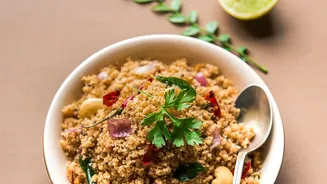
The western states offer a diverse monsoon palate. In Maharashtra, the undisputed king of monsoon snacks is the vada pav, a spiced potato fritter in a soft bun. Other favourites include crispy kanda bhaji (onion fritters) and pithla bhakri, a rustic chickpea flour curry served with flatbread. Gujarat’s monsoon kitchen focuses on steamed and lighter options like methi na muthiya (fenugreek dumplings) and the savoury cake known as handvo. In Rajasthan, while rain is scarcer, the season is welcomed with dal baati churma, a rich dish of lentils and baked wheat balls, perfect for a cool evening.
East India: From River Fish to Rice Gruel
The monsoon in Eastern India brings its own unique culinary traditions. For Bengalis, this is the season for Ilish maach, or Hilsa fish, often prepared in a pungent mustard gravy. Steaming hot khichuri, a richer version of khichdi, is another beloved staple, frequently served with fried eggplant or fish. In Odisha, pakhala bhata, a fermented rice dish, is popular for its cooling properties. Further northeast, states like Assam and Nagaland utilize local ingredients like bamboo shoots in their curries. Smoked pork and fiery chillies are also central to the region’s monsoon cuisine, providing warmth and robust flavours.
South India: Restorative and Herbal
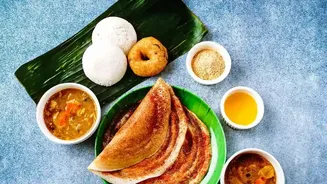
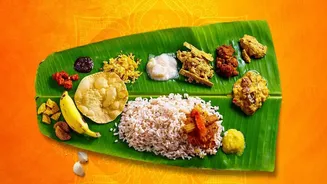
In the South, monsoon eating takes on a distinctly restorative and health-focused approach. Kerala observes 'Karkidakam,' a month dedicated to wellness. A key dish is marunnu kanji, a medicated rice porridge made with Njavara rice and a blend of Ayurvedic herbs to boost immunity. Another specialty is pathila thoran, a stir-fry made from ten different types of medicinal leaves that flourish during the rains. While vegetarian food is central, some communities in North Kerala prepare 'Kozhimarunnu,' a medicinal chicken dish believed to restore strength. Elsewhere in the south, peppery rasam (a thin soup), steamed dishes like idiyappam, and crispy lentil fritters called parippu vada are monsoon favourites.