



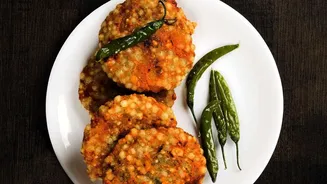
Mumbai's On-the-Go Icon: The Batata Vada
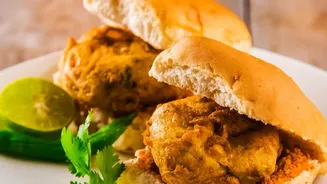
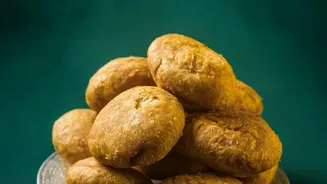
In Mumbai, the vada is synonymous with one thing: speed. Here, it’s the Batata Vada, a spiced, mashed potato ball coated in a gram flour (besan) batter and fried to a golden crisp. The genius of this vada lies not just in its flavour—a comforting mix
of potato, mustard seeds, ginger, and chillies—but in its delivery system. Mumbaikars take this hot fritter and tuck it inside a soft bread roll, the pav, generously slathered with fiery dry garlic chutney and sometimes a tangy tamarind sauce. The result is the Vada Pav, the city’s undisputed king of street food. It’s not just a snack; it’s a lifeline. It’s the quick, affordable, and satisfying meal that fuels millions of students, office workers, and labourers navigating the city’s relentless pace. The Batata Vada is the city’s spirit in edible form: simple, energetic, and unforgettable.
Pune's Flavourful Sibling: A Study in Nuance
Just a few hours from Mumbai, Pune shares the love for the Batata Vada, but with its own distinct personality. While the core concept is the same, Pune’s vada often presents a subtler, more complex flavour profile. The city is dotted with legendary stalls, each with a loyal following and a unique take. Some, like the famous Garden Vada Pav, are renowned for a specific chutney that sets them apart from the Mumbai-style offerings. While Mumbai’s vada is the heart of a quick, functional meal, Pune’s version often feels more like a destination snack, enjoyed with a bit more leisure. The spice blends can vary, with some vendors creating a potato filling that is richer and more aromatic. It's a classic case of sibling rivalry where the differences are nuanced but fiercely defended by locals, proving that even within the same state, the vada is a canvas for regional pride.
Bengaluru's Crispy Classic: The Uddina Vade
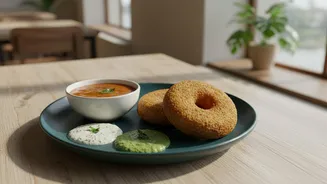
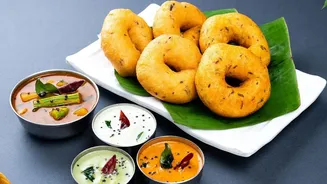
Travel south, and the vada undergoes a complete transformation. In Bengaluru, breakfast is dominated by the Uddina Vade. Known elsewhere as Medu Vada, this is a savoury doughnut-shaped fritter made from a fermented batter of urad dal (black lentils). The perfect Uddina Vade is a textural marvel: impossibly crispy on the outside, giving way to a light, fluffy, and pillowy interior. Studded with bits of coconut, green chillies, curry leaves, and black pepper, it offers a more complex flavour than its potato-based cousin. In Bengaluru's iconic Darshinis—fast-paced, stand-and-eat eateries—the classic order is 'idli-vade', where a single vade is served alongside steamed idlis, both dunked in a pool of hot sambar and accompanied by fresh coconut chutney. It’s a staple that defines the city’s morning food culture.
Chennai's Soft Counterpart: The Medhu Vadai
In Chennai, the Medhu Vadai reigns supreme in the world of 'tiffin', or light meals. While structurally similar to Bengaluru’s Uddina Vade—both being urad dal fritters—the Chennai version often prioritises softness. The name itself, 'Medhu', means soft in Tamil. A great Medhu Vadai is celebrated for its cloud-like interior, a result of a perfectly aerated batter. It’s an essential component of a traditional breakfast platter, sharing space with idli, pongal, and dosa. It's also the star of Sambar Vadai, where the fritter is soaked in a flavourful lentil stew, absorbing the tangy broth until it becomes wonderfully soft and savoury. Whether eaten crispy on its own with chutney or soaked in sambar or rasam, the Medhu Vadai is a comforting and integral part of Tamil cuisine, a testament to a food culture that cherishes texture as much as taste.