




The Science of a Ticking Time Bomb
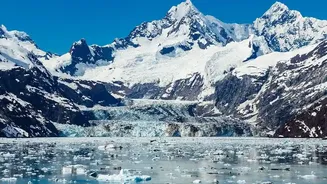
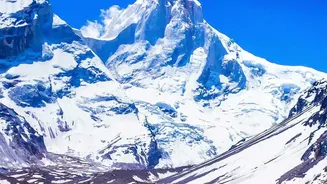
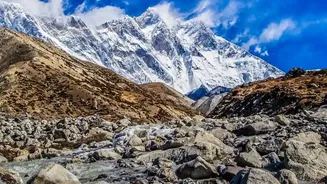
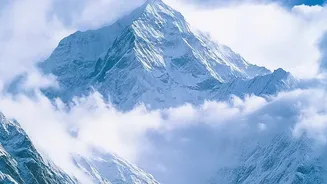
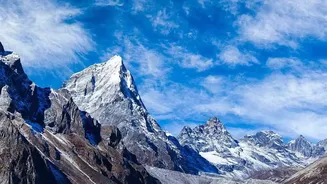
The Hindu Kush Himalaya region, often called the 'Third Pole', is warming at nearly twice the global average. This accelerated warming is causing glaciers to shrink and retreat faster than ever before. Recent reports from the International Centre for Integrated
Mountain Development (ICIMOD) confirm that glaciers disappeared 65% faster in the last decade compared to the one before it. As these massive bodies of ice melt, they form vast pools of water known as glacial lakes, often held back only by unstable natural dams of rock and debris. When these dams fail, they can trigger a Glacial Lake Outburst Flood (GLOF), a catastrophic event that sends a wall of water, mud, and boulders careening down narrow mountain valleys with little to no warning.
Nepal: On the Frontline of a Crisis
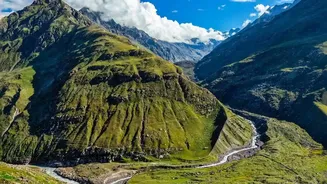
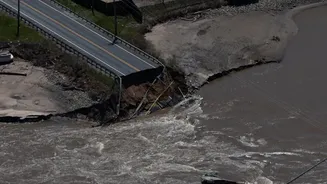
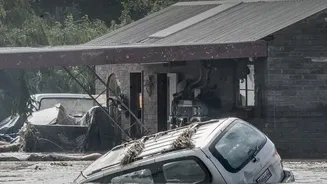
Nepal's unique geography, with its steep slopes and river valleys crowded with communities, makes it exceptionally vulnerable to these climate-induced disasters. The country has already experienced 24 GLOF incidents in its recent history. Events like the recent catastrophic flood in the Rasuwa district, triggered by a massive collapse of a glacier and rock near the Tibet border, highlight the devastating potential. Such events can raise river levels by several metres in minutes, sweeping away homes, critical infrastructure like roads and hydropower plants, and tragically, human lives. The warming also thaws permafrost, the frozen ground that acts like glue holding mountain slopes together, increasing the risk of landslides even without a GLOF.
The Heart of the Debate: What Can Be Done?
The escalating risk has ignited a critical debate in Nepal and among international experts about the path forward. One key discussion revolves around direct intervention. This includes ambitious engineering projects to lower the water levels in the most dangerous glacial lakes, such as the successful draining of Imja and Tsho Rolpa lakes. However, with over 2,000 glacial lakes in Nepal and at least 21 identified as potentially dangerous, this approach is costly and slow. Another central pillar of the debate is the role of technology and early warning systems. While monitoring can provide crucial alerts, as demonstrated in some European cases, implementing these systems across the remote and rugged Himalayas is a monumental challenge. This leads to difficult conversations about relocating vulnerable communities, a fraught process given the deep cultural and economic ties people have to their ancestral lands.
A Call for Local Knowledge and Global Responsibility
There is a growing consensus that top-down solutions are not enough. Experts are calling for the integration of 'everyday adaptation'—the knowledge that local communities have developed over generations of living in a dynamic environment. Nepal's Local Adaptation Plans of Action (LAPA) initiative is a step in this direction, aiming to empower communities to identify their own vulnerabilities and priorities. However, this approach requires significant funding and support to be effective. This brings the debate to the question of global responsibility. Nepali officials have pointed out that their country contributes less than 0.1% of the greenhouse gas emissions driving the crisis, yet it suffers some of the most severe consequences. There is a strong argument that developed nations, which have historically benefited most from a fossil-fuel economy, have a duty to provide financial and technical support for adaptation and loss and damage in vulnerable countries like Nepal. The debate is no longer just about engineering or policy, but about climate justice.