







The Spiritual Significance of Sawan
Sawan, or Shravan, is the fifth month of the Hindu lunar calendar and is dedicated to Lord Shiva. Devotees often observe fasts, particularly on Mondays (Somwar), to show their devotion and seek blessings. This period is seen as an opportunity for spiritual
cleansing and deepening one's connection with the divine. A crucial part of this observance is controlling one's senses and desires, and diet plays a significant role in this discipline. The goal is to consume foods that purify the body and calm the mind, creating an internal environment conducive to prayer and meditation.
The Ayurvedic Trinity: Sattva, Rajas, and Tamas
To understand the Sawan diet, we must first look to Ayurveda, which classifies food into three categories or 'gunas': Sattvic, Rajasic, and Tamasic. Sattvic foods are considered pure, light, and calming, promoting clarity and peace. Think fresh fruits, milk, and certain vegetables. Rajasic foods are stimulating, believed to incite passion, restlessness, and activity. Tamasic foods are associated with dullness, lethargy, and inertia. During a spiritual period like Sawan, the goal is to maximize Sattva and minimize the disruptive energies of Rajas and Tamas.
Why Onion and Garlic Are Excluded
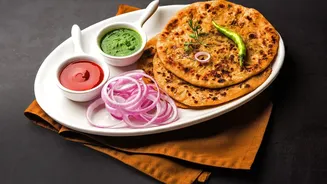
Onion and garlic are the most prominent ingredients left out of Sawan cooking. According to Ayurveda, they are classified as Rajasic and Tamasic. It is believed that they generate excessive heat in the body and stimulate the senses, potentially leading to feelings like aggression and anxiety. These qualities are seen as distractions that can root one's consciousness more firmly in the body and interfere with the mental calmness required for spiritual practices. By avoiding them, devotees aim to maintain a state of purity and balance, both mentally and physically.
The Case of Certain Vegetables
Beyond onion and garlic, other vegetables are also avoided, often for reasons that blend spiritual belief with seasonal practicality. Leafy greens like spinach, for instance, are often skipped. The damp monsoon weather, which coincides with Sawan, is an ideal breeding ground for insects and germs that can hide in the leaves, making them risky to consume before the advent of modern refrigeration and pesticides. Similarly, brinjal (eggplant) is traditionally avoided as it is considered prone to insect infestation during this season. Some traditions also avoid other lentils and pulses, favouring lighter, more easily digestible options.
The Practical Wisdom of Monsoon Dieting
Many Sawan dietary rules align with Ayurvedic advice for the monsoon season. During this time, the digestive fire, or 'agni', is believed to be weaker. Heavy, oily, and fried foods are harder for the body to process and can lead to sluggishness and indigestion. The traditional Sawan diet, therefore, leans towards light, steamed, or boiled foods that are gentle on the digestive system. Avoiding meat and fish is also common, partly as an act of non-violence and partly because the risk of food spoilage and foodborne illness increases in the warm, humid weather. The monsoon is also the breeding season for many fish, so abstaining helps maintain ecological balance.
Embracing the Sattvic Plate
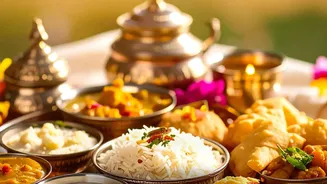
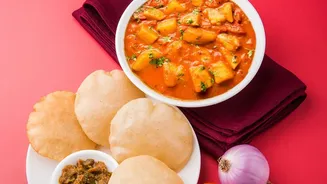
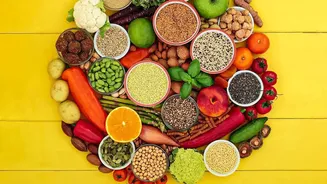
So, what does one eat during Sawan? The focus shifts to a Sattvic diet. This includes an abundance of seasonal fruits, dairy products like milk, yoghurt, and paneer, and certain vrat-friendly vegetables such as potatoes, pumpkin, and bottle gourd. Instead of regular table salt, rock salt (sendha namak) is used as it is considered purer. Grains like wheat and rice are often replaced with alternatives like buckwheat flour (kuttu), water chestnut flour (singhara), and barnyard millet (samak rice). These foods are believed to provide nourishment without over-stimulating the body or mind.