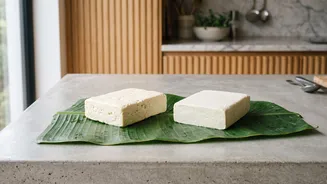








What the FSSAI Is Proposing
The Food Safety and Standards Authority of India (FSSAI) has introduced a draft amendment to its regulations that would restrict the use of the term 'paneer' exclusively to products made from milk. The proposal, published in late September 2026, targets
what are known as 'dairy analogues'—products designed to look and feel like paneer but made with non-milk ingredients. If the amendment is finalised, any product made using ingredients like vegetable oils, starches, or plant proteins instead of milk fat and milk protein would be barred from using the word 'paneer' on its labels or in its marketing materials. Manufacturers of these alternatives, even those already licensed under the 'Analogue in Dairy Context' category, would need to find a new name for their products.
The Drive for Definition and Clarity
The primary motivation behind the FSSAI's move is to prevent consumers from being misled. The regulator argues that when a customer buys a product labelled 'paneer', they have a right to expect a traditional milk-based product with a specific nutritional profile. Dairy analogues can differ significantly in their nutritional content, particularly protein levels, which is a key reason many Indians, especially vegetarians, consume paneer. These alternatives are often cheaper to produce, with some reports noting that analogue paneer can cost nearly half the price of its dairy counterpart. This price difference creates an incentive for some businesses to substitute it without informing customers, raising concerns about both consumer trust and food safety.
Why This Is Happening Now
This proposed national regulation did not come out of nowhere. It follows a series of actions taken at the state level. Several states, including Maharashtra, Karnataka, Gujarat, and Chhattisgarh, have already imposed their own restrictions or bans on the manufacture and sale of analogue paneer over the past year. Maharashtra's Food and Drug Administration, for example, imposed a one-year ban after lab tests found a high percentage of paneer samples were adulterated with vegetable fat. These state-level actions, driven by concerns over public health and consumer deception, have created momentum for a clear, nationwide standard. The FSSAI's draft aims to harmonise the rules across the country, removing any grey areas or room for interpretation.
The Impact on a Growing Market
This regulatory push comes just as the market for plant-based alternatives is gaining traction in India. While the FSSAI's draft directly targets analogues made with vegetable oil, it enters a broader conversation about plant-based foods. Companies producing alternatives for dietary or ethical reasons, such as tofu (often called 'soya paneer') or products made from peanuts, will be watching closely. The FSSAI's regulations for 'Vegan Foods' already exist, requiring certified products to be clearly labelled. The debate is whether terms like 'soya paneer' are inherently misleading or if they are understood by consumers as distinct products. Proponents of the plant-based sector argue that such regulations could stifle innovation and limit choice for a growing consumer base seeking dairy-free options. The dairy industry, on the other hand, supports the move, arguing it protects the integrity and reputation of a traditional Indian product.
What Happens Next?
It is important to remember that this is currently a draft proposal, not a final rule. The FSSAI has opened a 60-day window for stakeholders—including dairy cooperatives, plant-based food manufacturers, restaurant associations, and the public—to submit their objections and suggestions. After this consultation period, the FSSAI will review the feedback before deciding whether to enact the amendment as law. If it passes, consumers can expect to see changes on grocery store shelves and restaurant menus. Products that once carried the 'paneer' label will be rebranded, forcing manufacturers to come up with new, compliant names for their non-dairy alternatives.