






The Himalayas: A Ticking Time Bomb
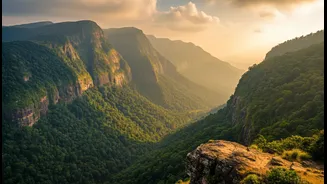
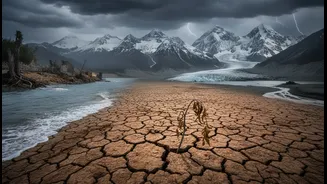
Known as the 'Third Pole', the Himalayas are a critical water source for nearly two billion people. Recent reports confirm its glaciers are retreating at an alarming pace, with some studies indicating the rate of ice loss has doubled since the year 2000.
The retreat is not just about losing ice; it’s about a dangerous transformation. As glaciers melt, they form vast, unstable lakes. Scientists warn of a rising threat from Glacial Lake Outburst Floods (GLOFs), which can unleash catastrophic flash floods downstream with little warning, threatening communities and vital infrastructure. Paradoxically, the new climate reality in the mountains also involves more intense, erratic rainfall. Even in a year with a predicted weak monsoon, the Himalayas face a higher risk of deadly cloudbursts and landslides because the rain, when it does come, falls in short, destructive bursts.
The Coasts: Living on the Edge
India's extensive coastline, home to megacities and millions of livelihoods, is on the front line of sea-level rise. Research from think tanks like the Centre for Study of Science, Technology and Policy (CSTEP) projects a grim future. By 2040, Mumbai could lose more than 10% of its land area to the sea. Other major cities, including Chennai, Panaji, Kochi, and Visakhapatnam, face similar threats of significant land submergence. This isn't a distant problem for the next century. Between 1987 and 2021, Mumbai has already recorded the highest sea-level rise among major coastal cities in the country. This steady rise, combined with more frequent extreme weather events, puts critical infrastructure, coastal ecosystems like mangroves, and the fishing communities who depend on them at unprecedented risk.
The Plains: Feast or Famine
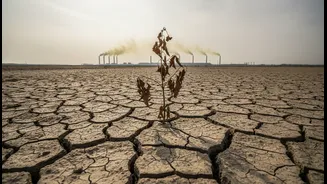
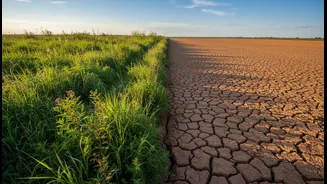
The Indian monsoon, the lifeblood of the nation's agriculture, is becoming dangerously unpredictable. The old pattern of steady, widespread rain is giving way to a new, erratic regime: long, dry spells followed by sudden, intense downpours that cause widespread flooding. Recent studies link this to warmer air and sea temperatures, which allow the atmosphere to hold more moisture and release it in violent bursts. Forecasts for 2026, influenced by a potential El Niño, suggest a 'below normal' monsoon, which could threaten crop sowing and water reservoirs. This volatility creates a dual crisis for farmers in the country's food bowl. They are left grappling with both drought-like conditions for weeks, followed by floods that can wipe out an entire harvest in hours, straining food security and pushing up prices for everyone.
Forests and Biodiversity: A Silent Shift
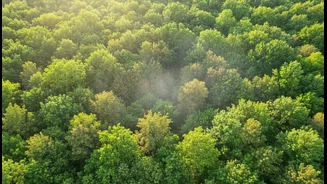
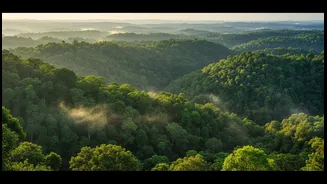
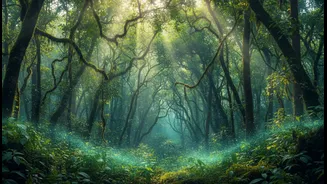
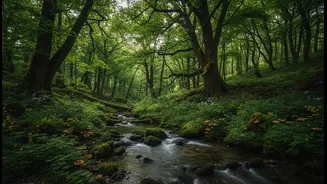
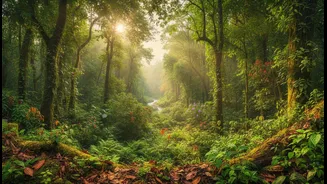
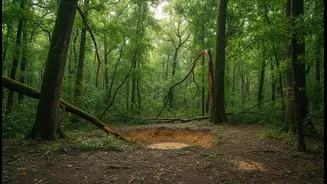
The changes are not just happening in ice and water; they are reshaping entire biological landscapes. In biodiversity hotspots like the Western Ghats, the very nature of the forests is under threat. A recent study warns that by 2050, the cool, wet evergreen forests that characterize places like the Nilgiris and Palani Hills could shrink significantly. In their place, drier, hardier thorn forests are projected to expand. This is not just a change in scenery. Such a shift impacts thousands of unique plant and animal species, affects the flow of crucial rivers like the Vaigai and Thamirabarani that are fed by these mountains, and reduces the forest's ability to store carbon. For a nation that hosts a remarkable share of the world's biodiversity, this slow, silent transformation poses a profound challenge to ecological stability and the livelihoods dependent on it.