


From Plastic Waste to Protein
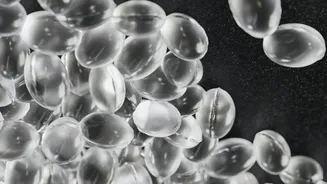
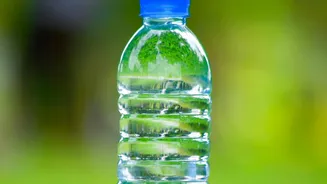
In a remarkable feat of bioengineering, scientists have developed a method to convert the carbon found in plastic bottles into edible products. A team at Southern Illinois University Carbondale successfully transformed polyethylene terephthalate (PET),
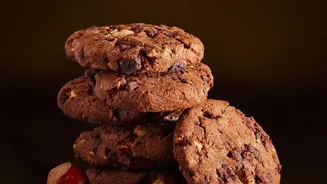
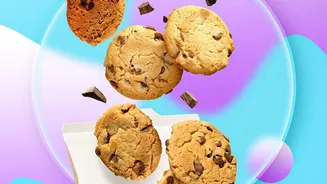
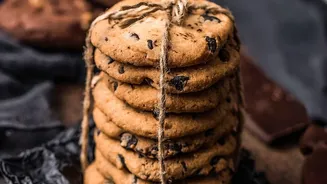
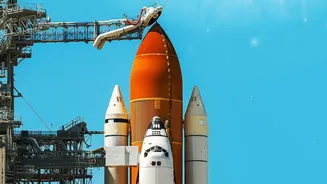
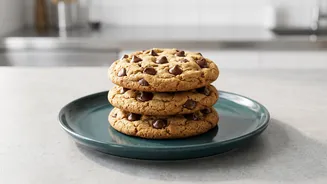
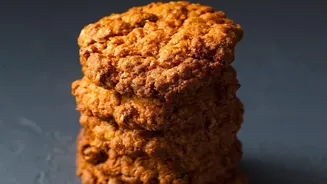
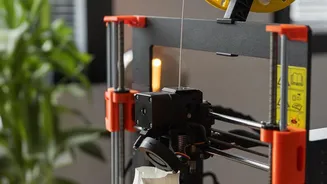
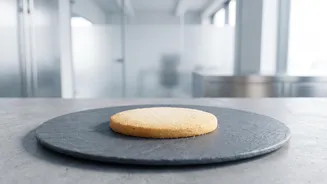
the plastic used for beverage bottles, into a protein-rich flour. This flour was then combined with other ingredients and 3D-printed into prototype cookies, dubbed 'µBites' (microbites). The project, which is part of a NASA initiative to develop food for deep-space missions, demonstrates a potential solution for two of Earth's biggest challenges: plastic pollution and food scarcity. It’s not just about cookies, either; the process can create a range of food components, including proteins, fats, and even vitamins.
A Complex Biological Transformation
The headline-grabbing “32-step process” refers to a sophisticated, multi-stage operation that is far more complex than simply melting plastic. First, the PET plastic, along with other waste like agricultural biomass, is broken down using a process called oxidative hydrothermal dissolution. This method uses water and oxygen at high temperatures and pressures to decompose the tough materials into their basic molecular components, creating a carbon-rich liquid that microbes can access. Next, genetically engineered yeasts, including common baker's yeast, are introduced to this liquid. These specialized microbes are programmed to consume the carbon molecules and convert them into new, edible substances. Different strains of yeast can be used to produce different products, from proteins to flavouring molecules like vanillin, the compound that gives vanilla its taste and scent.
The Crucial Question of Safety
Understandably, the primary concern for many is whether these upcycled ingredients are safe for human consumption. The scientists involved stress that the end product is not plastic. The process is designed to break plastic down to its fundamental carbon building blocks and then use those blocks to build entirely new, pure molecules that are chemically identical to those found in nature. For instance, the vanillin produced from PET is the same molecule as vanillin derived from wood pulp or vanilla beans. Early data indicates the resulting cookie ingredients are safe to eat, though formal taste tests are pending institutional approval. The goal is to create a 'zero-waste' system where harmful contaminants are eliminated, resulting in a safe and nutritious food source.
Why Turn Plastic Into Food?
The motivation behind this research is rooted in the concept of a circular economy. With millions of tonnes of PET plastic waste generated annually, finding new ways to upcycle it into high-value products is a critical environmental and economic goal. Current recycling often results in downcycling, where plastic is turned into lower-quality materials. This new biological approach, however, valorises waste, turning a low-value pollutant into essential goods. The applications extend beyond just cookies for astronauts. This technology could be deployed in disaster relief zones, submarines, or other remote environments where food supply is a challenge. By providing a portable system that converts waste into food on-demand, it represents a new frontier in sustainable living.