






What Exactly is E20 Fuel?
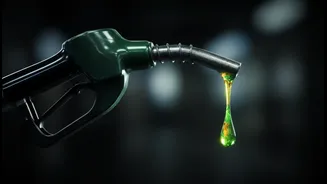
E20 is petrol blended with 20% ethanol. India has rapidly adopted this fuel, making it the standard across the country, years ahead of the original 2030 schedule. The government's goals are straightforward: reduce the country's heavy dependence on imported
crude oil, lower greenhouse gas emissions, and boost income for farmers who grow crops like sugarcane and maize used for ethanol production. Until recently, the maximum blend was 10% (E10), which most vehicles manufactured since 2008 could handle without issue. The jump to 20% is at the heart of the current controversy.
The Breakdown Debate: Stalls, Jerks, and Lower Mileage
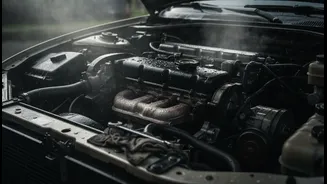
Across the country, vehicle owners have reported a range of problems they attribute to E20, from lower mileage and sluggish acceleration to engine jerking and outright breakdowns. Social media platforms are filled with anecdotal evidence from drivers who say their trusted vehicles started acting up only after they began using the new fuel. While the government and scientific bodies like the Automotive Research Association of India (ARAI) state that extensive testing shows no significant impact on engine performance or wear, many consumers remain unconvinced. Federal ministers have acknowledged a drop in mileage is possible, as ethanol contains slightly less energy than petrol, but official estimates put this drop at a marginal 1-6%, far less than what some users report.
The Monsoon Connection: Why Rain Makes It Worse
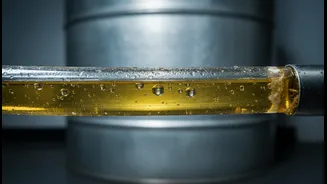
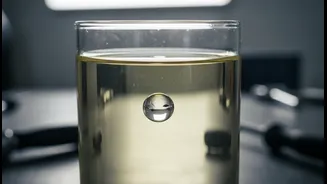
The problem seems to intensify during the monsoon, and there's a clear scientific reason for it. Ethanol is 'hygroscopic,' which means it actively absorbs moisture from the environment. During the humid rainy season, this property becomes a major issue. Water can enter fuel systems in two main ways: through condensation in the large underground tanks at petrol stations or directly into a vehicle's tank, especially in older cars with degraded fuel cap seals. When enough water mixes with E20 fuel, a process called 'phase separation' occurs. The ethanol separates from the petrol and binds with the water, creating a dense, sludgy mixture that sinks to the bottom of the fuel tank. Since a vehicle's fuel pump draws from the bottom, it can suck up this non-combustible water-ethanol sludge instead of petrol, leading to misfires, stalling, and engine failure.
What Do Experts and Officials Say?
The official stance from the Ministry of Petroleum and Natural Gas is that E20 fuel itself is not the problem. They argue that water contamination is undesirable in any fuel and that modern vehicles have safeguards to prevent it. Major automobile manufacturers like Maruti Suzuki and Hero MotoCorp have also backed the fuel, stating that their service data from millions of vehicles shows no spike in component failures or corrosion due to E20. However, some petrol pump owners have privately and publicly expressed concerns, admitting that their existing underground storage tanks, designed for pure petrol, struggle to prevent moisture ingress, especially in coastal or heavy-rain areas. This suggests the issue may lie not just with the fuel's properties but with the readiness of the entire fuel storage and delivery infrastructure.
Are Older Vehicles More at Risk?
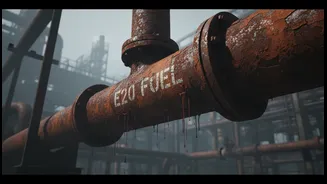
This is a key part of the debate. Vehicles manufactured from 2023 onwards are required to be fully E20-compliant, with ethanol-resistant materials in the fuel system. For vehicles made before then, particularly older models designed for E10 or even pure petrol, the risks are higher. Ethanol can be corrosive to certain rubber and plastic components over time. While the government and industry experts state that extensive testing on older vehicles showed no major issues, they do concede that some inexpensive rubber parts might need to be replaced sooner than usual during routine servicing. For many owners of older cars and bikes, this uncertainty over long-term maintenance costs is a primary concern.
How to Protect Your Vehicle
While the debate continues, vehicle owners can take practical steps. First, ensure your fuel cap seals tightly to prevent water from seeping in during rain or washing. This is especially crucial for older vehicles. Try to refuel at busy, reputable stations, as their fuel stock is turned over more quickly, reducing the chance of long-term water accumulation in storage tanks. Avoid driving through deeply waterlogged areas where water could potentially enter the fuel system. Finally, keeping the fuel tank as full as possible reduces the amount of air and potential moisture that can accumulate inside.