


The Mahabaleshwar Legacy
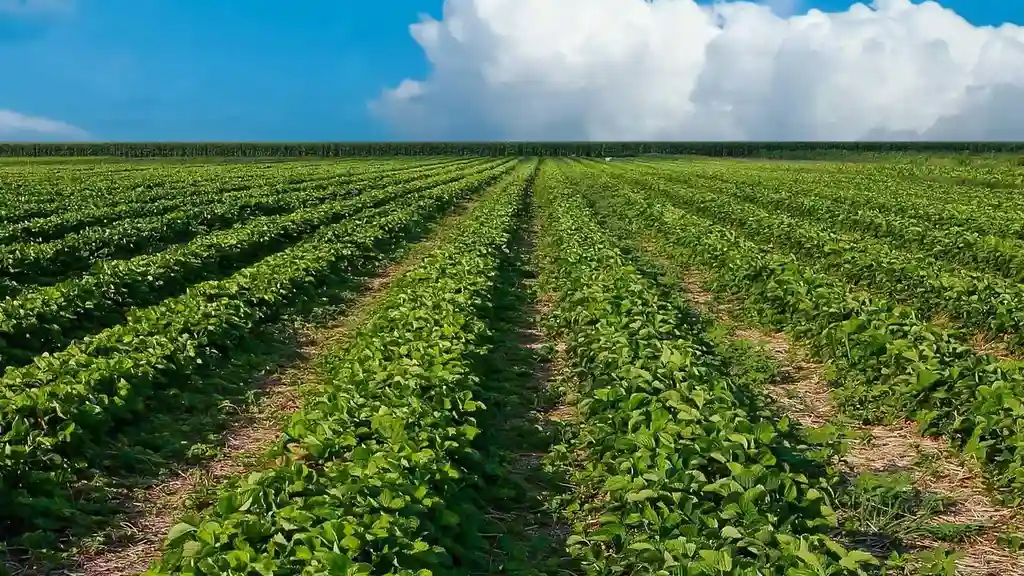
For decades, the heart of India's strawberry production has been the Mahabaleshwar-Panchgani belt in Maharashtra. This region alone accounts for about 85% of the country's total strawberry output. The unique combination of cool climate and rich, red soil
has made it the ideal location for cultivating the fruit since it was first introduced by the British. This long-standing association was formally recognized in 2010 when the 'Mahabaleshwar Strawberry' was granted the Geographical Indication (GI) tag, cementing its status as a unique regional product. While varieties originally came from abroad, local farmers have been adapting and cultivating them for generations.
The Need for Homegrown Varieties
While Mahabaleshwar remains dominant, the reliance on imported planting materials from countries like the USA and in Europe presents a significant challenge for Indian farmers. These varieties are not always perfectly suited to India's diverse and often harsh climatic conditions. Issues like weather unpredictability, high costs of seedlings, and susceptibility to local pests and diseases can limit yields and profitability. This dependency has created a push towards agricultural self-reliance, with a clear need for developing indigenous strawberry varieties that are more resilient, productive, and better adapted to local Indian environments.
The Science of a Better Berry
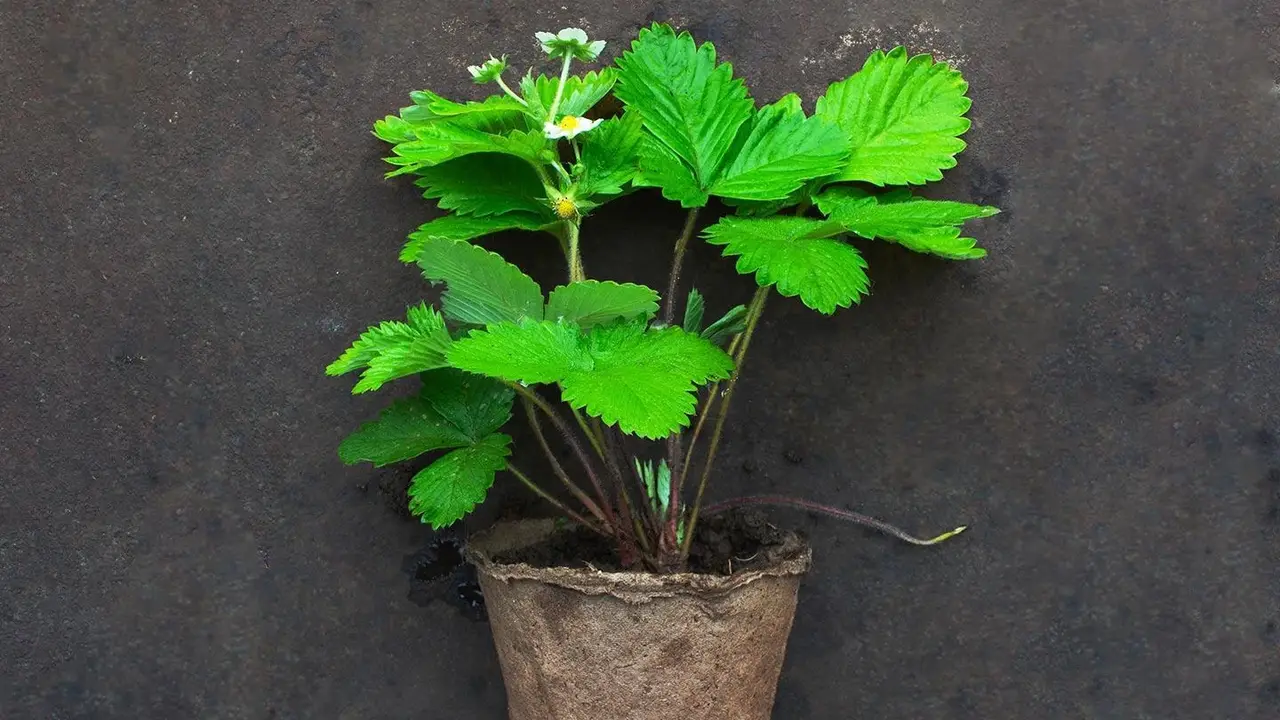
Breeding new strawberry varieties is a meticulous, long-term process. It's not just about creating a sweeter fruit; it's about building a stronger plant. Scientists and agricultural researchers in India are working to develop cultivars that can withstand higher temperatures, resist common fungal diseases, and produce a high yield of quality fruit. This often involves cross-pollinating plants with desirable traits and selecting the best offspring over many generations. Recently, research projects have even explored using gamma irradiation to induce favorable mutations, accelerating the development of India’s first truly indigenous strawberry variety. The goal is to create plants that are not only productive but also have a longer shelf life, a major weakness for this highly perishable fruit.
Key Players and New Cultivars
Several institutions are at the forefront of this mission. A notable joint project involves Mahatma Phule Agricultural University and the Bhabha Atomic Research Centre. Meanwhile, private players are also making significant strides. Indian companies like Mahaberry and 8 Berries Farm & Nursery have partnered with international breeders, such as Italy's Nova Siri Genetics, to test and distribute new varieties like Melissa, Marimbella, and Rossetta across India. These partnerships aim to provide Indian farmers with access to resilient cultivars that promise abundant production and excellent fruit quality. While popular foreign varieties like Chandler remain a staple, new heat-tolerant, short-day varieties such as Sweet Sensation™ and Winter Dawn™ are also gaining traction.
Beyond the Western Ghats
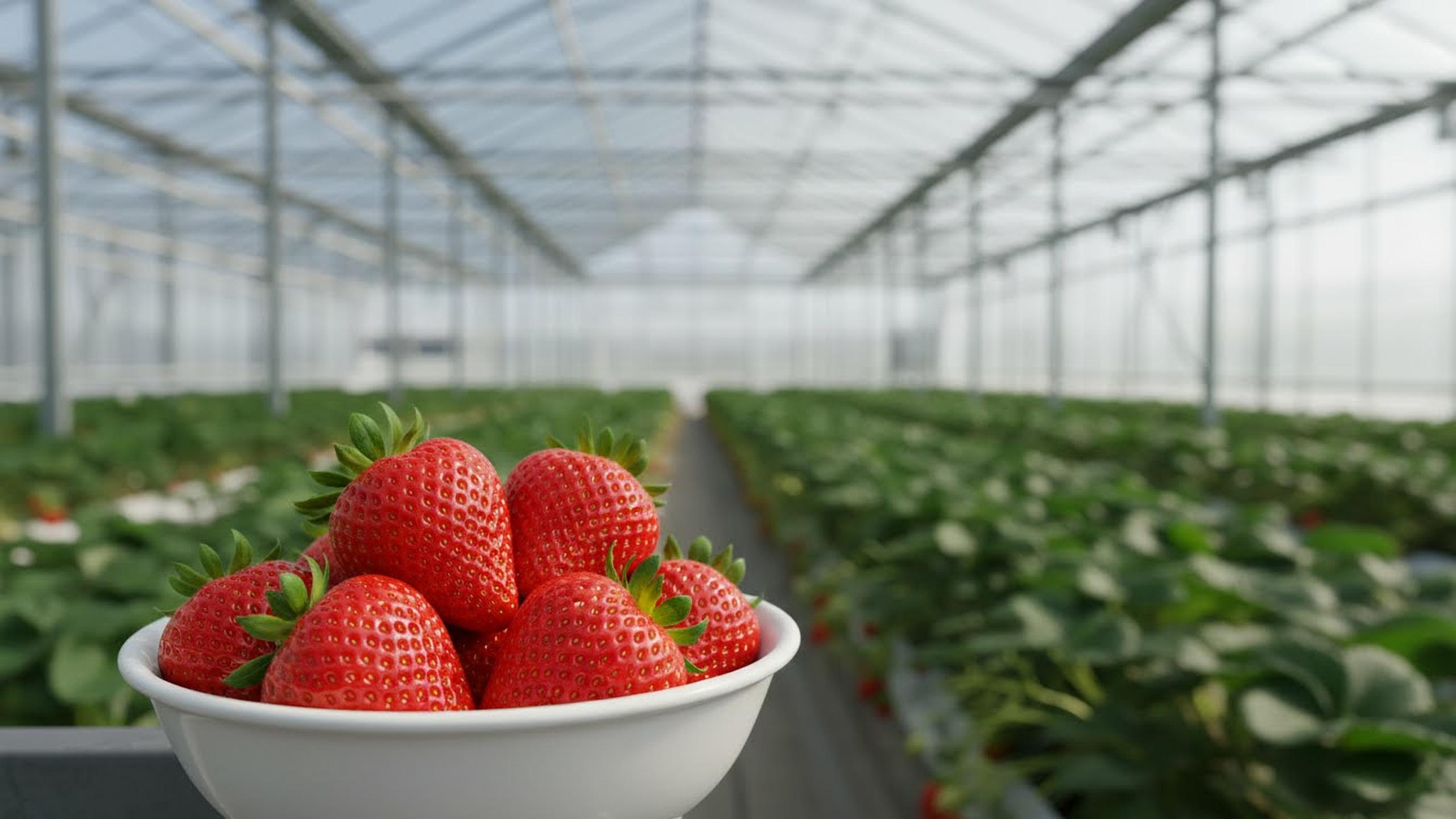
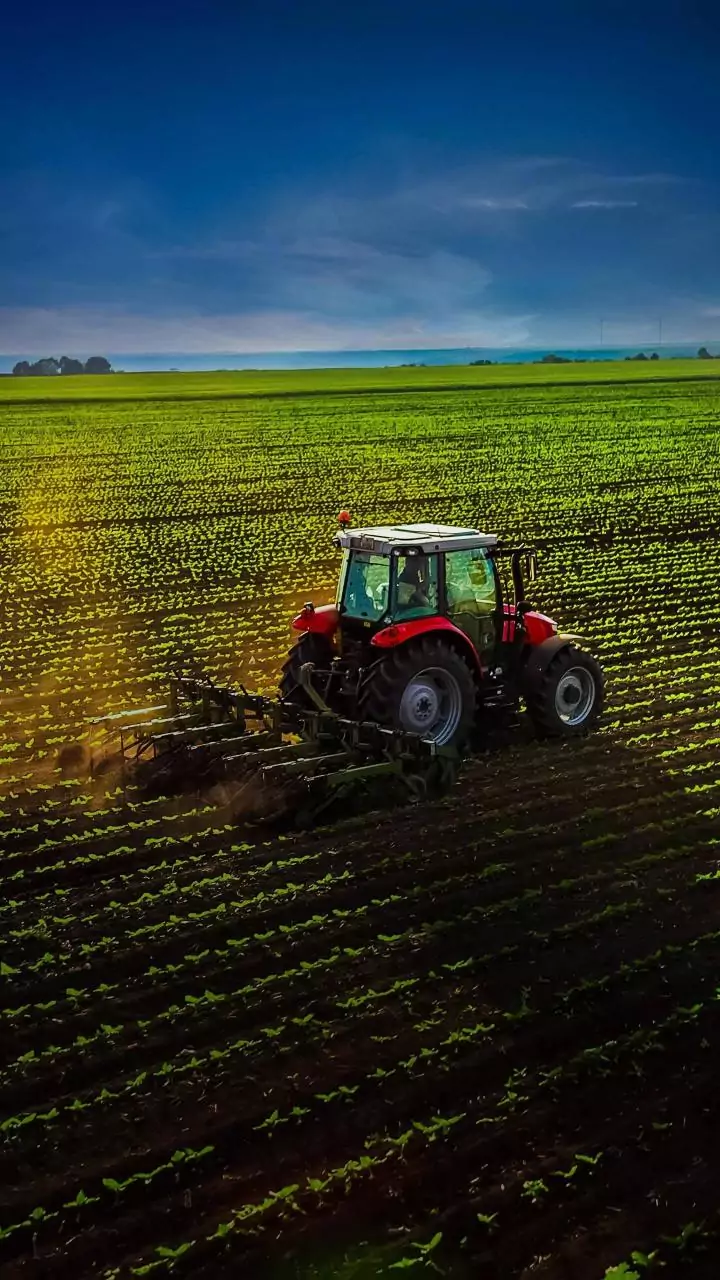
The development of hardier varieties is enabling strawberry cultivation to expand beyond its traditional strongholds. What was once confined mostly to hilly regions is now being successfully trialed and grown in the plains and non-traditional areas of states like Haryana, Punjab, and even in the tribal belt of Nashik. This expansion is supported by modern farming techniques, including the use of polyhouses, low tunnels, and hydroponics. Hydroponic systems, in particular, offer a solution to challenges like soil-borne diseases and water scarcity, allowing for higher yields in smaller spaces and making the crop viable for a new generation of agricultural entrepreneurs across the country.