

The Science of a Perfect Set
When you pull a pan of brownies from the oven, they aren't finished baking. The residual heat from the pan continues to cook them, and a crucial transformation happens as they cool. Fudgy brownies are high in fat from ingredients like chocolate and butter
or oil. While hot, these fats are in a liquid state. Cooling allows them to solidify, which is what changes the brownie's interior from a molten, gooey state to the dense, rich texture you crave. This process is known as setting. The starches in the flour also need time to firm up. Slicing too early means you’re cutting into a structure that is not yet stable, leading to a messy, crumbly result instead of clean, satisfying squares.
Why Fudgy Is Different From Cakey
Understanding the difference between fudgy and cakey brownies explains why cooling is so vital. Cakey brownies have more flour and leavening agents like baking powder, giving them a lighter, more open crumb. Their structure is more stable straight from the oven. Fudgy brownies, on the other hand, have a higher ratio of fat (chocolate and butter) to flour. This is what delivers that ultra-moist, melt-in-your-mouth experience. However, this dense, low-flour structure is inherently less stable when hot. It relies almost entirely on the cooling and solidification of its fats to hold its shape. Think of it like a chocolate bar: when melted, it's liquid, but as it cools, it becomes solid and snappy. A similar, albeit softer, transformation happens inside your brownies.
The Eggless Complication
For eggless brownies, a popular choice in India, the cooling stage is even more critical. In traditional recipes, eggs provide structure, binding, and leavening. Egg proteins create a network that helps hold the brownie together. When you bake without eggs, you use substitutes like yogurt, flaxseed meal, or applesauce to provide moisture and binding. While effective, these substitutes often don't provide the same robust structural integrity as eggs. This makes the cooling and setting process doubly important. The brownies are more fragile and depend heavily on the solidified fats and set starches to keep from falling apart. Cutting into a warm eggless brownie is a near-guaranteed recipe for a crumbly mess.
The Art of Cooling Correctly
Patience is a virtue, especially in baking. For perfect brownies, allow them to cool in the baking pan on a wire rack for at least 30 to 60 minutes. This initial period lets the edges firm up while the centre continues to set from residual heat. After this, if you've used a parchment paper sling, you can lift the entire block of brownies out and let it cool completely on the rack for another hour or two. For the absolute cleanest cuts, some bakers even recommend chilling the cooled brownies in the refrigerator for an hour. This makes them extra firm. While you can speed things up in the fridge or even the freezer if you're in a hurry, room temperature cooling generally yields the best texture.
How to Achieve the Perfect Slice
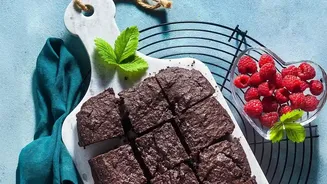
Once your brownies are completely cool, the final step is slicing. Don't ruin your hard work with the wrong technique. Use a long, sharp chef's knife, not a serrated one which can tear the crust. For impossibly clean cuts, run the knife under hot water and wipe it dry before each slice. The warmth helps the blade glide through the dense brownie without dragging. Press down firmly in one motion rather than using a sawing motion. Wiping the blade clean between each cut prevents crumbs from the previous slice from smudging the next one. This little bit of extra effort is what separates homemade treats from bakery-quality presentation.