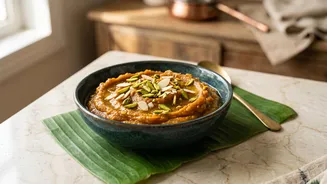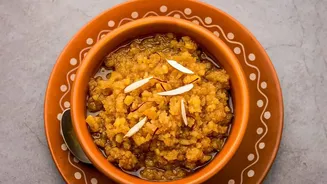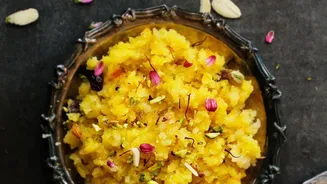

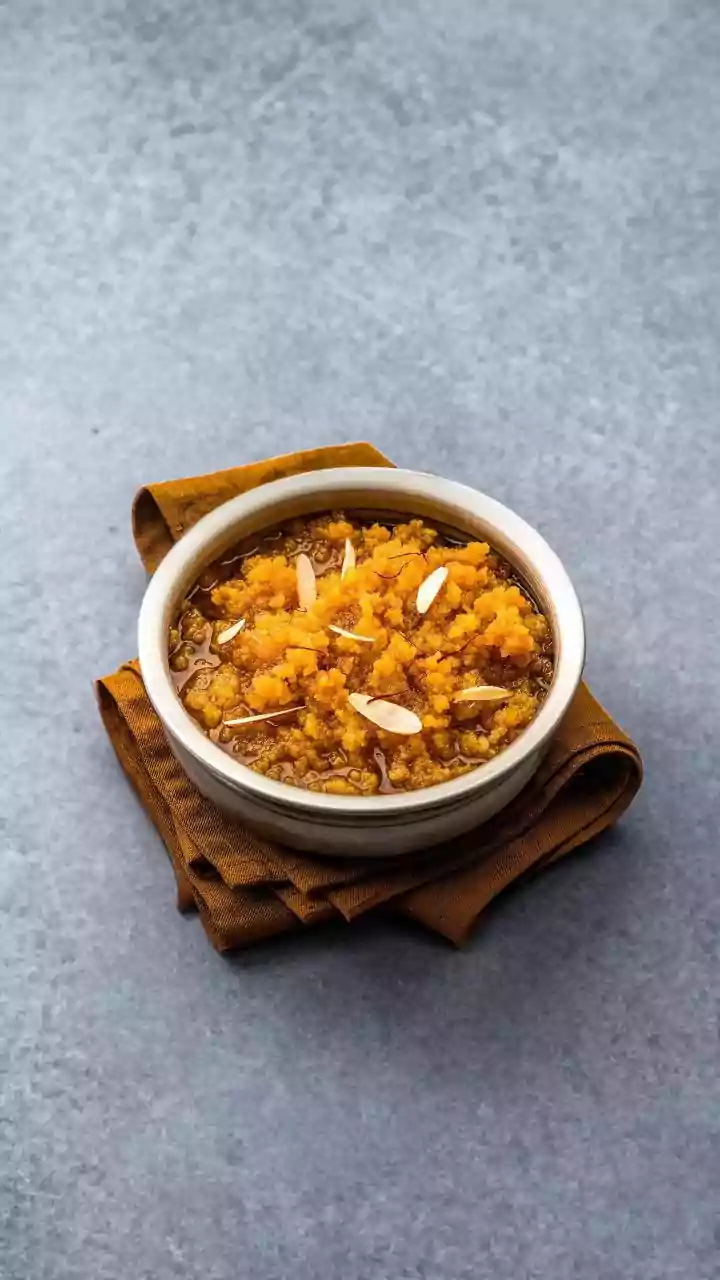
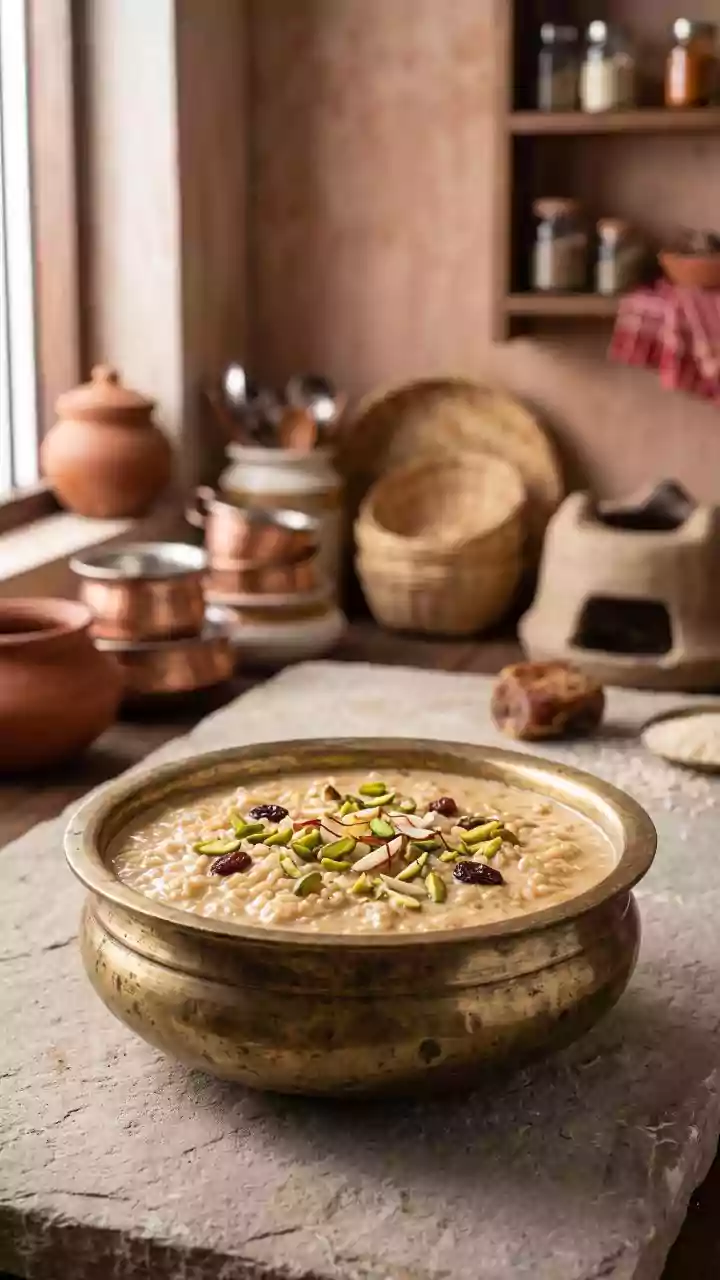



The Humble Sweet Potato Shines
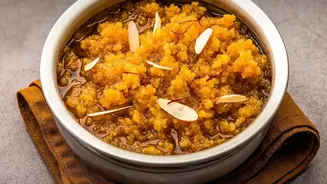
Often enjoyed during fasting periods like Navratri, sweet potato halwa is a beloved Indian dessert for good reason. Sweet potatoes, or 'shakarkandi', provide a naturally sweet and creamy base, making for a healthier treat. Unlike other desserts that rely
heavily on sugar, this halwa gets much of its delightful sweetness from the root vegetable itself. Nutritionally, sweet potatoes are a powerhouse, packed with fibre and vitamins, most notably a very high amount of vitamin A. This makes the halwa not just a treat for the taste buds, but also a more wholesome option compared to many other sweets. Its gluten-free nature and the ease with which it can be made vegan also add to its wide appeal.
Gather Your Ingredients
This recipe requires just a handful of common kitchen staples. For a halwa that serves 3-4 people, you will need: Sweet Potatoes: About 500 grams, which is roughly two medium-sized sweet potatoes. Ghee: Around 3 to 4 tablespoons. Ghee adds a rich, nutty aroma that is signature to this dish, but you can use a neutral oil for a vegan version. Sweetener: Start with 3 to 4 tablespoons of sugar or jaggery. The amount you need will depend on the natural sweetness of your potatoes, so it's best to taste and adjust. Milk or Water: About half a cup. Milk makes the halwa creamier, while water also works well. For a vegan alternative, use non-dairy milk like almond or coconut milk. Flavouring: Half a teaspoon of green cardamom powder ('elaichi') is essential for that classic Indian dessert flavour. A few strands of saffron, soaked in warm milk, can be added for a beautiful colour and aroma. Nuts: A couple of tablespoons of chopped nuts like almonds, cashews, or pistachios for texture and garnish.
Step-by-Step to a Perfect Halwa
Making this halwa is a straightforward process. First, prepare the sweet potatoes. The easiest method is to boil or pressure cook them until they are very tender. Steaming is another excellent option that helps retain the potatoes' natural sweetness. Once they are cool enough to handle, peel the skin off and mash them thoroughly with a fork or potato masher, ensuring there are no large lumps. Next, heat the ghee in a heavy-bottomed pan or 'kadhai' over medium heat. If you're using whole nuts, you can lightly fry them in the ghee until golden, then set them aside for garnish. Add the mashed sweet potato to the same pan and sauté for 5 to 8 minutes, stirring continuously. This step is crucial as it removes any raw taste and develops a rich aroma. Now, pour in the milk (and saffron-infused milk, if using) and continue to cook, stirring until the liquid is absorbed and the mixture thickens. Once it thickens, add your sugar or jaggery. The mixture will become loose and runny again as the sugar melts; continue to cook and stir until it thickens once more and starts to pull away from the sides of the pan. This usually takes about 10-12 minutes. Finally, stir in the cardamom powder and most of your toasted nuts.
Tips for a Flawless Finish
A few simple tricks can elevate your sweet potato halwa from good to great. For a deeper, more caramelised flavour, try roasting the sweet potatoes in the oven instead of boiling them. Be patient during the sautéing stage; roasting the mash in ghee until it becomes fragrant is key to the final taste. Continuous stirring is your best friend—it prevents the halwa from sticking to the pan and ensures a smooth, uniform texture. Also, always add the sugar after the milk has been absorbed; this helps in achieving the right consistency. Once the halwa turns glossy and starts leaving the sides of the pan, it's done. Overcooking can make it dry and crumbly instead of soft and luscious.
Easy Variations to Try
While the classic recipe is a winner, this halwa is wonderfully versatile. Using jaggery instead of sugar will give the dessert a deeper, more earthy flavour and a darker colour. For an even richer texture, some recipes suggest adding a paste made from soaked and ground almonds and cashews. To make the recipe vegan, simply swap the ghee with a neutral vegetable oil or coconut oil, and use water or a plant-based milk like almond or coconut milk. You can also combine sweet potato with other vegetables like carrot to create a unique flavour profile.