




What is Tempering, Anyway?
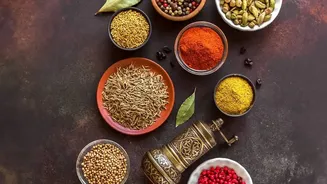
Tempering, known in Indian cuisine as 'tadka' or 'chaunk', is the process of briefly heating whole or ground spices in hot fat, like oil or ghee. This isn't just about frying; it's a specific technique designed to do one crucial thing: awaken the spices.
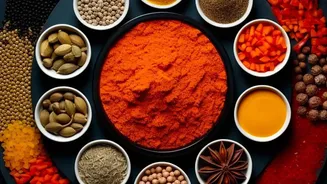
Think of spices as tiny, locked treasure chests of flavour. The heat and fat work together as the key. The heat helps break down the spice's cellular structure, while the fat, a much better carrier than water, dissolves and extracts all the aromatic essential oils. This infused fat then distributes a deep, complex, and consistent flavour throughout your entire dish, something that simply sprinkling spices into a liquid can never achieve.
The Science of Flavour vs. Bitterness
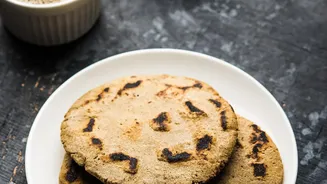
The line between aromatic and acrid is incredibly fine, and it all comes down to temperature control. When spices hit hot fat, their volatile compounds are released, creating that wonderful fragrance that fills your kitchen. This process, called blooming, is exactly what you want. However, if the heat is too high or the timing is off, those same delicate essential oils and natural sugars don't just bloom—they burn. This chemical change destroys the complex aromatic compounds and creates new ones that are harsh and bitter. A perfectly tempered spice tastes nutty, earthy, and warm; a burnt one tastes sharp and unpleasant, and it can ruin an entire meal. The goal is to apply just enough heat to release the oils, not scorch them.
How to Master the Perfect Tempering
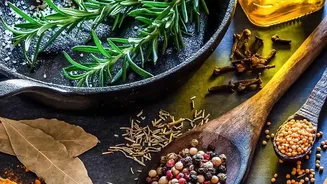
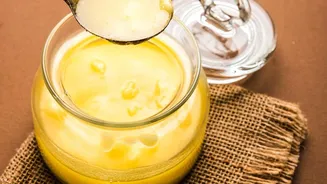
Tempering is fast, so the most important step is to have all your ingredients ready before you start. First, heat your fat (ghee is traditional, but a neutral oil with a high smoke point also works) in a small pan over medium heat. To test if the oil is ready, drop in a single mustard or cumin seed; if it sizzles immediately, you're good to go. The order in which you add spices is critical because they cook at different rates. Start with whole spices that need more time, like cinnamon sticks or cardamom pods. After about 15 seconds, add seeds like cumin and mustard. Wait for them to pop and crackle. Next, add aromatics like curry leaves or dried chillies. Finally, and most importantly, add delicate ground spices like turmeric or chilli powder last, often after turning the heat off completely, as they can burn in as little as 10-15 seconds.
Common Tempering Mistakes to Avoid
Several common pitfalls can lead to bitter results. The most frequent is using oil that's too hot, which scorches spices instantly. Conversely, oil that isn't hot enough will cause the spices to just soak up grease without blooming, resulting in a flat, raw flavour. Another mistake is overcrowding the pan; adding too many spices at once lowers the oil's temperature and leads to uneven cooking. Perhaps the most common error is simply walking away. Tempering demands your full attention for the 30 to 60 seconds it takes. Have the next ingredient—be it onions, tomatoes, or the dal you're finishing—ready to add to the pan immediately. This stops the cooking process and prevents the spices from burning.
When and Where to Use Tempering
Tempering is a foundational technique used across India and in many other cuisines. In many North Indian dishes, the tadka is the first step, creating a flavour base upon which the rest of the curry or dish is built. Spices are bloomed, followed by onions, ginger, and garlic. In South Indian cooking, it's often used as a final flourish. A fresh tadka of mustard seeds, curry leaves, and urad dal might be poured over a finished dal, sambar, or coconut chutney right before serving. This adds a final, vibrant burst of aroma and a delightful textural crunch. Both methods are valid and transformative, proving that how and when you add your spices is just as important as which spices you choose.