




A Game-Changer for Daily Commutes
For decades, travelling the 82-kilometre stretch between Delhi and Meerut was an exercise in patience, often taking three hours or more by road amid heavy traffic congestion. The alternative, conventional trains, offered little respite. This daily grind
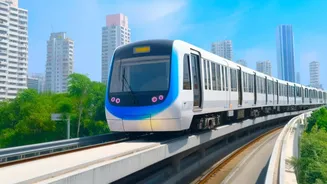
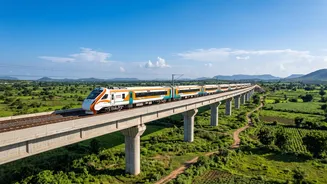
impacted work-life balance, economic opportunities, and the environment. The launch of the Delhi-Ghaziabad-Meerut RRTS corridor, branded Namo Bharat, marks a paradigm shift. This semi-high-speed rail network is designed specifically to connect satellite urban centres with the metropolitan core, fundamentally changing the region's mobility landscape. The full corridor became operational in February 2026, offering a reliable, air-conditioned, and comfortable alternative that transforms the gruelling journey into a predictable and speedy commute.
Achieving the Sub-50-Minute Mark
While the standard Namo Bharat service covers the end-to-end route in about 55 to 60 minutes—a significant improvement in itself—the headline-making sub-50-minute travel time is the result of newly introduced limited-stop 'fast' trains. Rolled out in November 2026, these express services cater to passengers travelling longer distances by halting at only five key stations: Sarai Kale Khan, Anand Vihar, Ghaziabad, Begumpul, and Modipuram. These special services run during peak morning and evening hours, supplementing the regular trains that stop at all 16 stations and run at a frequency of every 10-15 minutes. This two-tiered approach ensures that the system serves both long-distance commuters and those travelling between intermediate towns.
More Than Just Speed
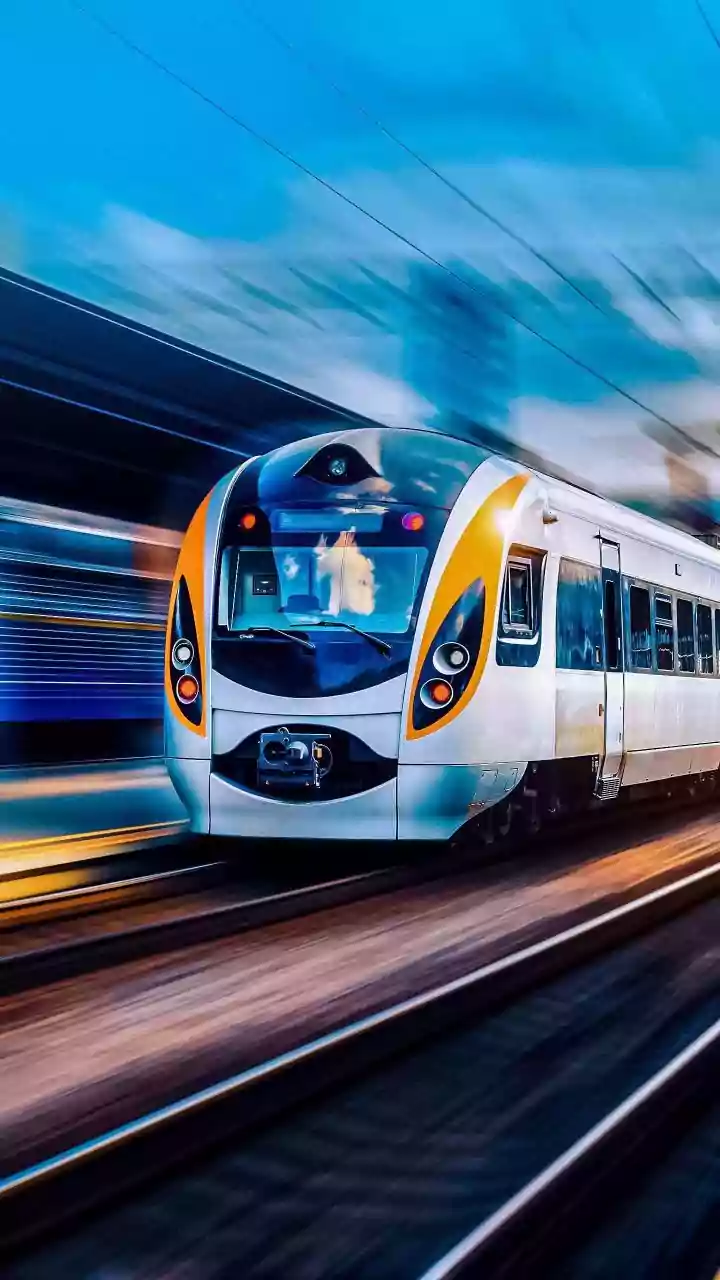
The Namo Bharat trains, with a maximum operational speed of 160 km/h, are about more than just velocity. Manufactured in India, these aerodynamic trainsets are designed for passenger comfort on regional journeys. Each six-coach train includes a premium coach with extra amenities like reclining seats, more legroom, and access to exclusive station lounges. Standard coaches also offer a comfortable experience with cushioned seats, overhead luggage racks, and large windows for a panoramic view. Modern features like on-board Wi-Fi, mobile charging points at every seat, and advanced safety systems, including CCTV surveillance and platform screen doors, create a travel experience that rivals air travel in terms of comfort and convenience.
A Blueprint for Future Connectivity
The Delhi-Meerut line is the flagship corridor and proof-of-concept for a much larger vision. It is the first of several planned RRTS routes intended to form a web of high-speed connectivity across the National Capital Region (NCR). Future corridors, such as those connecting Delhi to Panipat and Alwar, are already in advanced stages of approval. The system is designed for interoperability, meaning trains could potentially run across different corridors, allowing for seamless travel without the need to switch trains. Stations are strategically located to integrate with existing transport networks, including Delhi Metro, Indian Railways stations, and Inter-State Bus Terminals (ISBTs), creating a truly multimodal transport ecosystem.
The Ripple Effect on the Region
The impact of the RRTS extends far beyond transport. By making distant towns more accessible, it is poised to trigger significant economic and social changes. The project is expected to decongest Delhi's roads, reduce vehicular pollution, and promote more balanced regional development by enabling a 'polycentric' growth model. Real estate markets in towns along the corridor are already seeing shifts, as it becomes more feasible for people to live in smaller, more affordable cities while working in Delhi. Furthermore, it enhances access to education and healthcare, allowing students and patients to travel to institutions in either Delhi or Meerut with ease, creating a single, integrated economic and social zone.