


First, What Is Fusion Wear?
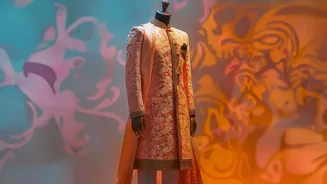
Think of Indo-Western or fusion wear as the perfect sartorial mashup. It takes the soul of Indian clothing—rich textiles, intricate embroidery, and traditional silhouettes—and blends it with the cuts and comfort of Western fashion. This isn't about replacing
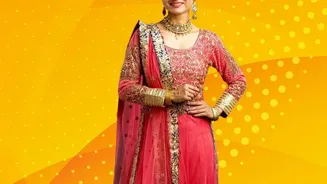
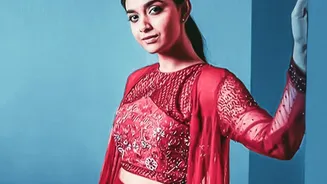
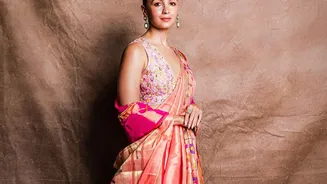
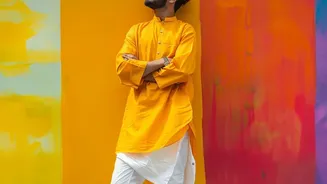
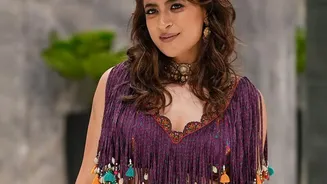
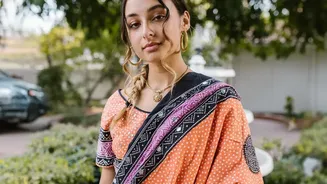
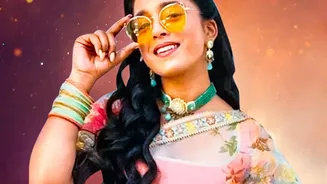
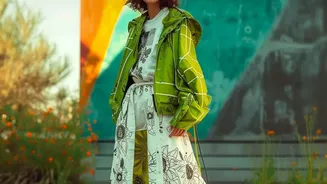
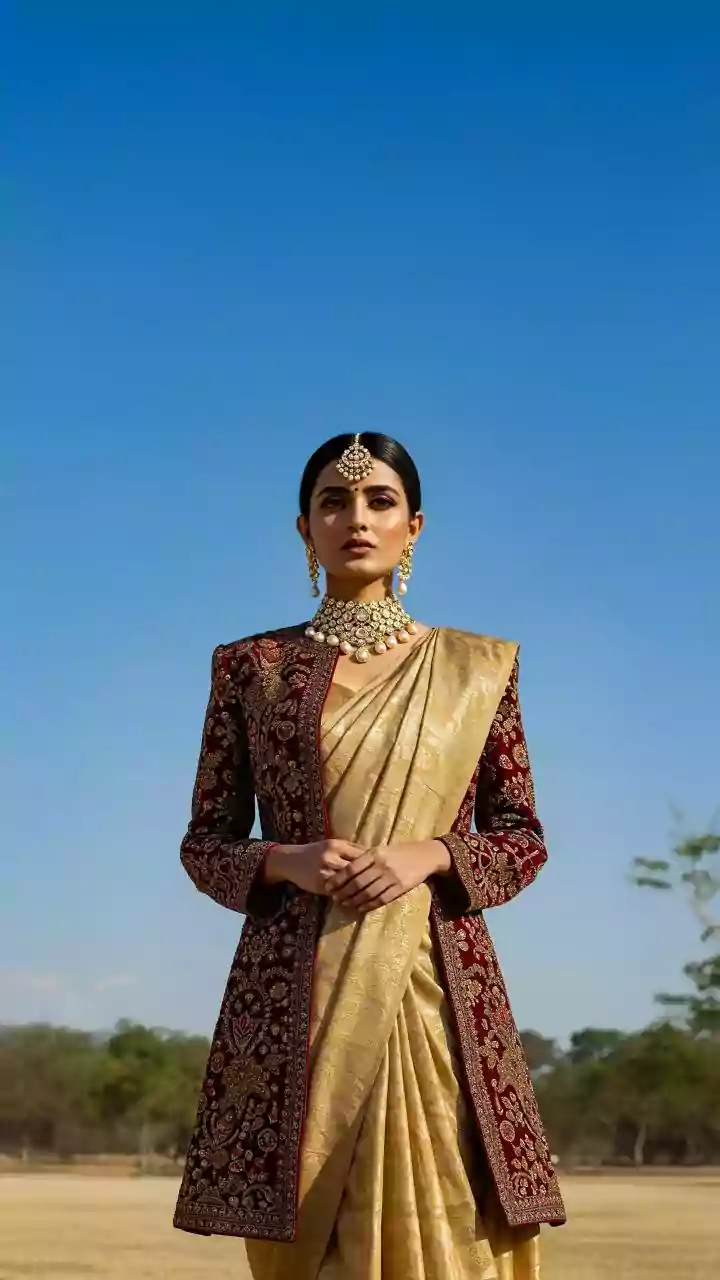
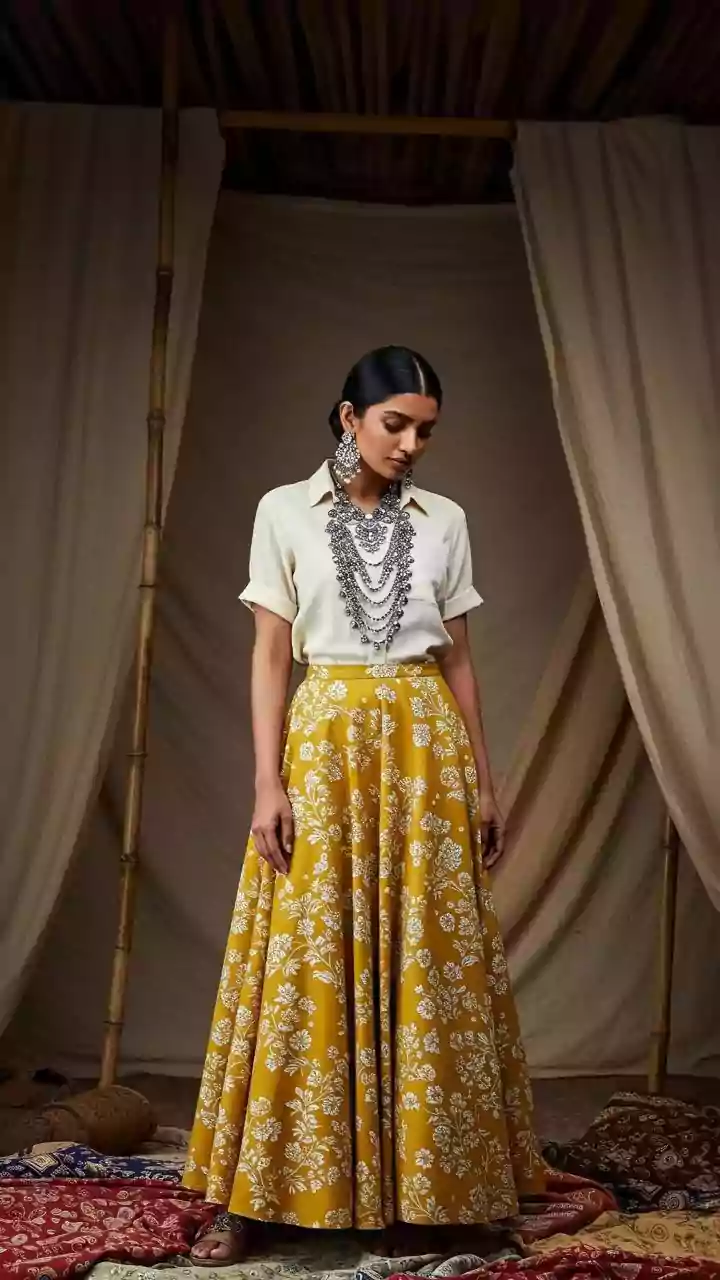
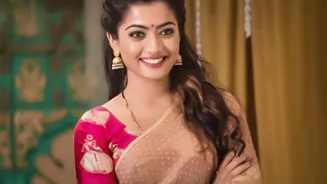
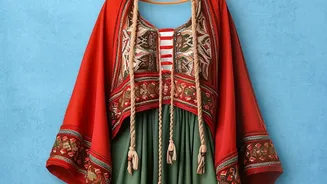
a classic saree; it's about reinterpreting it. Examples are everywhere: pre-draped sarees that offer the elegance without the complicated pleating, lehenga skirts paired with stylish crop tops or jackets instead of a conventional choli, and classic kurtas tailored to be worn with jeans or trousers. It's a category defined by its creativity, mixing dhoti pants with structured tops or layering contemporary jackets over ethnic dresses. This blend creates outfits that feel both culturally rooted and undeniably modern.
Comfort Is the New Luxury
For many young Indians juggling work, family gatherings, and social events, the festive season is a marathon, not a sprint. Traditional festive attire, while beautiful, can be notoriously heavy and restrictive, often crafted from stiff brocades and velvets with dense embroidery. Fusion wear offers a lightweight, breathable alternative. Designers are turning to airy fabrics like organza, chiffon, and lightweight silks that provide a glamorous look without weighing the wearer down. The shift is towards outfits that allow for easy movement, making them practical for long hours of celebration and dancing. This focus on wearability means a sharara set or a flowy Anarkali gown is now just as appropriate for a Diwali party as a heavily worked lehenga.
The Power of a Reusable Wardrobe
One of the most significant drivers behind the fusion wear trend is its versatility and economic sense. A traditional, heavily embellished lehenga might be worn for a single wedding or festival before being relegated to the back of the closet. In contrast, fusion pieces are designed to be mixed and matched. A stylish brocade jacket from a lehenga set can be thrown over jeans for a friend’s party, and an embroidered crop top can be paired with a simple skirt for another event. This cost-per-wear logic deeply appeals to a generation that values sustainability and smart consumption. An outfit that can transition from a festive family puja to a casual brunch offers far more value, making it a smarter investment.
Made for the Instagram Age
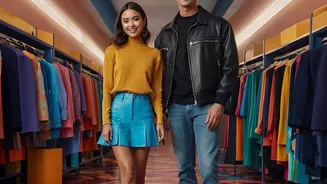
In an era dominated by social media, standing out is key. Young shoppers are moving away from uniformed looks and seeking outfits that express individuality and are, of course, photogenic. Fusion wear provides the perfect canvas for personal expression. It allows for unique styling combinations, like pairing ethnic skirts with sneakers or belting a saree for a contemporary silhouette—moves that are popular among Gen Z and millennial influencers. This departure from conventional styling helps create a distinct, memorable look that pops on an Instagram feed, reflecting a modern identity that is both proudly Indian and globally aware.
Redefining Cultural Identity
Ultimately, the rise of fusion wear is about more than just fashion; it's a reflection of a cultural evolution. For young Indians, heritage is not a rigid set of rules but a source of identity to be embraced and reinterpreted. Choosing a contemporary, fusion outfit is not a rejection of tradition. Instead, it’s a confident statement about what it means to be modern and Indian today. It signifies an identity that is comfortable in its own skin, one that can navigate global trends while celebrating its cultural roots. Designers like Anamika Khanna, Tarun Tahiliani, and Masaba Gupta have built their brands on this very idea, masterfully blending Indian craftsmanship with modern sensibilities.