





The Link Between Clutter and Dust
Every object in your home is a potential landing pad for dust. Household dust is a mix of particles, including dead skin cells, fabric fibres, pet dander, soil tracked in from outside, and pollen. The more items you have—from decorative knick-knacks and stacks
of books to crowded countertops—the more surface area exists for this dust to settle. Clutter creates a complex environment where dust can hide in hard-to-reach nooks and crannies, making cleaning a difficult and often incomplete task. When surfaces are covered in items, you're forced to move each one to dust underneath, turning a simple wipe-down into a time-consuming chore. This accumulation not only looks untidy but also makes it harder to maintain a healthy living environment, as dust can trap allergens and other irritants.
Why You See Dust Better on Clear Surfaces
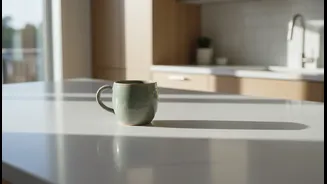
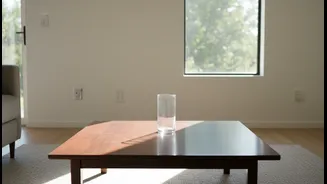
An open, uncluttered surface acts like a blank canvas. When a thin layer of dust settles on a clear coffee table or an empty shelf, it stands out in sharp contrast. This visibility is a powerful motivator. You’re more likely to notice the dust and deal with it quickly when it’s obvious. In a cluttered space, the same amount of dust is distributed across many objects, camouflaged by the visual noise. You might not notice it until it has built up into a thick, grimy layer. By keeping surfaces clear, you make it impossible for dust to go unnoticed, prompting more regular and effective cleaning habits. This simple principle means you can tackle the problem before it becomes overwhelming.
The Speed and Efficiency of Decluttered Cleaning
Imagine dusting a room with clear, open surfaces. You can use long, sweeping motions with a microfibre cloth, covering large areas in seconds. Now, picture dusting a cluttered room. You have to pick up a photo frame, wipe it, wipe the spot where it sat, and then replace it, repeating the process for every single item. The difference in time and effort is immense. Decluttering effectively eliminates these obstacles. Instead of navigating a maze of possessions, you have direct access to the surfaces that need cleaning. This not only makes dusting faster but also more thorough, as you are less likely to miss spots hidden beneath piles of stuff. The result is a genuinely cleaner home achieved in a fraction of the time.
A Practical Strategy to Get Started
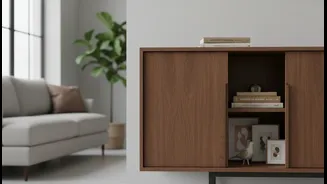
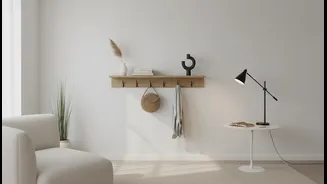
The idea of decluttering can feel daunting, but you don’t have to tackle your entire home at once. Start small to build momentum. Focus on flat surfaces first, as these are the biggest dust magnets. Clear off your dining table, kitchen counters, side tables, and the tops of dressers. Sort items into four categories: keep, donate, store, or discard. For items you decide to keep, find a designated home for them in a drawer or cupboard rather than leaving them out. Even clearing one small area, like a single shelf or a nightstand, can make an immediate difference and motivate you to continue. Consider storing smaller decorative items in glass-fronted cabinets or display boxes, which allows you to see them without having to dust them individually.
The Hidden Bonus: A Calmer Mind
The benefits of a decluttered space extend beyond physical cleanliness. Research has shown that cluttered environments can increase levels of cortisol, the stress hormone, and make it harder to focus. When your physical space is chaotic and filled with visual reminders of unfinished tasks, your mind can feel the same way. By clearing out excess possessions, you are not just making your home easier to clean; you are creating a more calming and restorative environment. A tidy, organised space promotes relaxation, reduces anxiety, and can even improve your mood and productivity. This act of organising your surroundings is a form of self-care, creating a peaceful sanctuary where you can truly unwind.