






What Exactly Is Analogue Paneer?
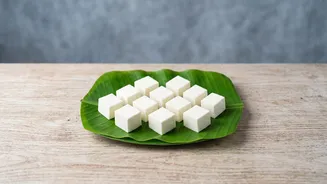
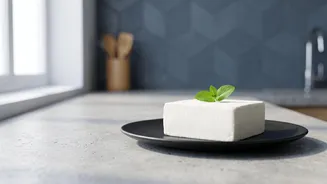
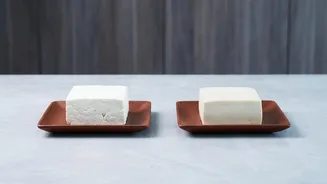
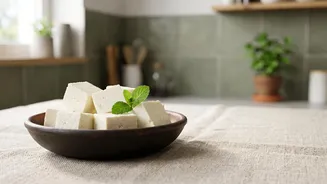
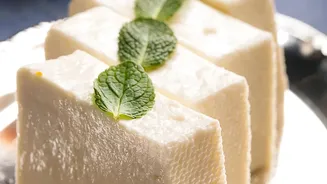
At a glance, it looks just like the real thing. But analogue paneer is a substitute product where milk fat and protein are partly or fully replaced by non-dairy ingredients. Instead of being made by curdling fresh milk, it is typically manufactured using
cheaper components like vegetable oils (often palm oil), skimmed milk powder, starch, and chemical emulsifiers. While traditional paneer is a natural product derived entirely from milk, its analogue counterpart is an engineered, ultra-processed food designed to mimic the texture and appearance of the original. The result is a product that is visually similar but nutritionally inferior, often with lower protein, higher sodium, and unhealthy processed fats.
Why Are States Cracking Down Now?
Recent months have seen a surge in enforcement actions against adulterated and analogue paneer across India. States like Maharashtra, Gujarat, and Chhattisgarh have initiated bans or restrictions on making and selling these products, particularly when they are misrepresented as genuine paneer. Food safety authorities have seized thousands of kilograms of what they term 'fake' or non-compliant paneer. The crackdowns are driven by two main concerns: consumer deception and public health. Analogue paneer is significantly cheaper to produce, creating a powerful economic incentive to pass it off as the real thing. However, its consumption is linked to health risks, including potential digestive issues and long-term problems associated with trans fats and high levels of processed ingredients.
The Push for Uniform National Rules
While state-level actions have been prominent, they create a patchwork of different regulations. To address this, the Food Safety and Standards Authority of India (FSSAI) has stepped in. In September 2026, the national food regulator issued draft amendments proposing to restrict the manufacture and sale of non-dairy analogues under the name 'paneer'. The proposal aims to create a single, nationwide standard. If finalized, the rules would prohibit any product not made from milk from using the term 'paneer' on its labelling or in its marketing. Companies that currently produce what is licensed under the 'Analogue in Dairy Context' category would have to find a new name for their product. The move is intended to eliminate the regulatory grey area that allows these products to be sold as paneer, misleading consumers about their composition and nutritional value.
How to Spot the Difference as a Consumer
Until uniform regulations are fully in place, consumers can learn to identify real paneer from its analogue. The first clue is often texture; real paneer is soft and crumbles easily, while analogue versions can be rubbery or dense. When heated, authentic paneer will brown or crumble, whereas fake paneer might melt unevenly or release excess water and oil. Another simple test is to boil a small piece in water and then add a drop of iodine solution. If the water turns blue or black, it indicates the presence of starch, a common ingredient in analogue paneer. Price can also be an indicator, as analogue products are often sold at a suspiciously low cost compared to dairy-based paneer. Reading labels carefully is crucial; look for ingredients like vegetable oil, palm oil, or starch, which are not found in traditional paneer.