





The Current State of Gold Prices
As of early September 2026, gold prices in India have been volatile. After seeing a significant rally through August, recent days have brought corrections. For instance, on September 4, the price for 24-carat gold saw a slight increase, trading around
₹15,676 per gram. This follows a period of fluctuation where prices dipped earlier in the week. Such movements are influenced by a mix of global cues, a hawkish US Federal Reserve outlook, and crucially, domestic factors that are gaining prominence. Analysts note that while the broader trend may still have bullish potential, the market is currently in a state of flux, reacting sensitively to both international and local signals.
Atmanirbhar Bharat: More Than a Slogan
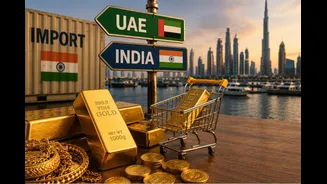
The 'Atmanirbhar Bharat Abhiyan', or self-reliant India mission, launched in May 2020, is a comprehensive economic policy aimed at making India a larger and more integral part of the global economy. It's not about isolationism but about building domestic capacity to reduce import dependency and enhance strategic autonomy. For a country that is the world's second-largest gold consumer and imports nearly all its requirements—between 700 to 800 tonnes annually—this policy has profound implications. The government views the high import bill for gold as a drain on foreign exchange reserves, making the precious metal a key focus area within the self-reliance debate.
Policy Signals and Market Reactions
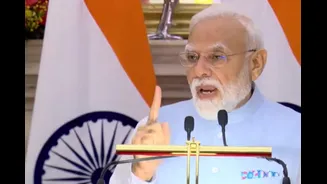
Recent government actions and statements highlight this focus. Prime Minister Narendra Modi has repeatedly appealed to citizens to curb non-essential gold purchases to conserve foreign exchange. These appeals are not just rhetoric; they have been followed by policy actions, such as raising import tariffs on gold. Such moves directly impact the landed cost of gold, influencing domestic prices. The government's messaging and fiscal policies create a new layer of complexity for investors. When the Prime Minister speaks on gold, the market listens, with shares of major jewellery companies often reacting immediately. This indicates that traders and consumers are now factoring government sentiment into their financial decisions, treating policy statements as a key indicator for future price trends.
Reducing Dependency and Boosting Domestic Supply
The push for self-reliance extends to tangible efforts to manage gold supply. This includes not only discouraging imports through tariffs but also boosting domestic sources. There are plans to revive and expand domestic mining, such as at the historic Kolar Gold Fields, to increase local production. Furthermore, there is a renewed emphasis on mobilising the estimated 25,000 tonnes of gold lying idle in Indian households through schemes like the Gold Monetisation Scheme (GMS). Industry bodies like the World Gold Council are aligned with this vision, proposing long-term plans to strengthen the domestic gold ecosystem through better recycling, financialisation, and mining. The goal is to create a more resilient supply chain that is less exposed to global price shocks and currency fluctuations.
What Do the Forecasts Say?
Given these dynamics, price forecasts for gold are a mixed bag. Some analysts remain bullish in the long term, citing central bank buying and gold's traditional role as a safe-haven asset. However, the short-term outlook is cautious. Analysts point to key technical levels, suggesting that prices could see further correction before finding a stable footing. The interplay between a strong US dollar and hawkish Fed policies provides a headwind. Yet, the wildcard remains Indian domestic policy. Continued government efforts to curb demand could apply downward pressure on prices, while any relaxation or unforeseen global instability could send investors flocking back to the perceived safety of gold, pushing prices up. The key takeaway is that future price movements will be a battle between global economic trends and India's domestic policy agenda.