



A Torrent of Rock and Water
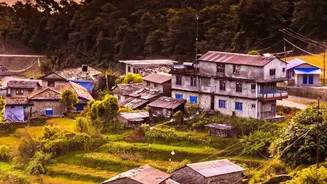
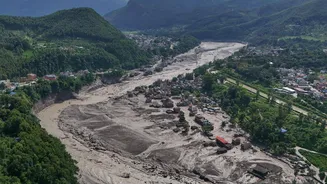
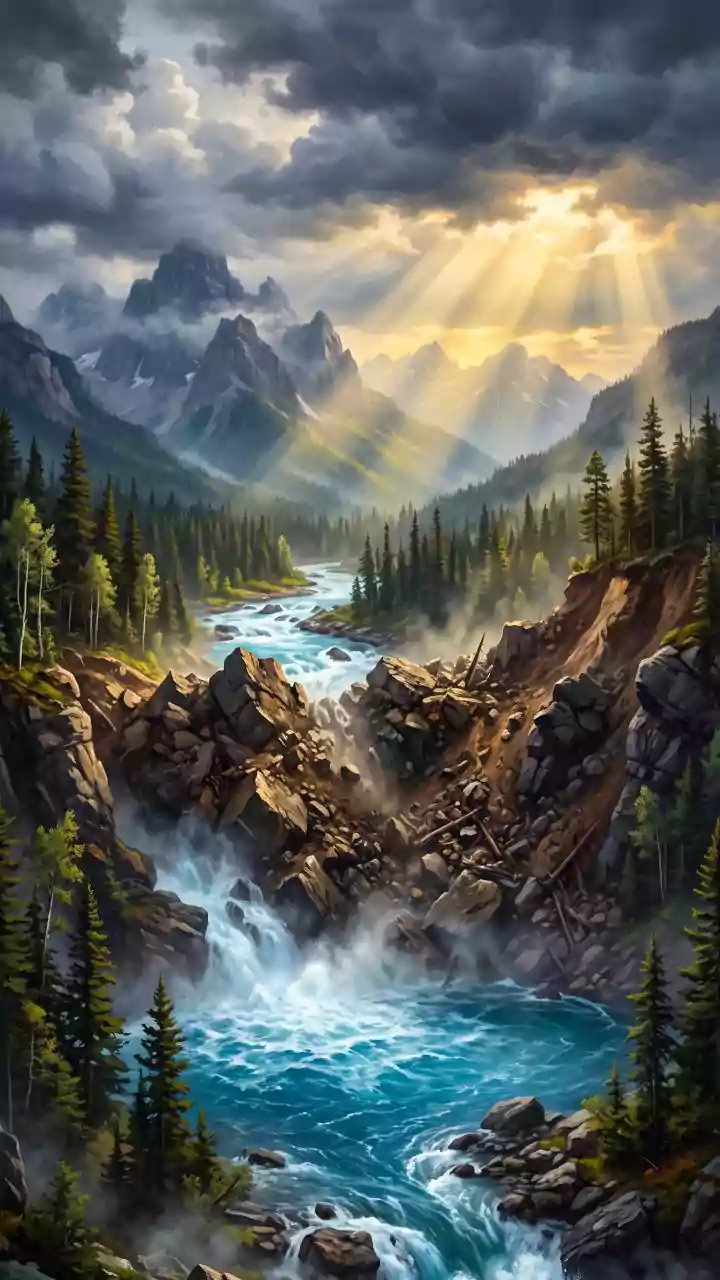
In June 2021, a catastrophic flood swept through the Melamchi river valley in Nepal's Sindhupalchok district. It wasn't just water; it was a thick, churning slurry of mud, boulders, and trees that destroyed homes, bridges, and the headworks of a major
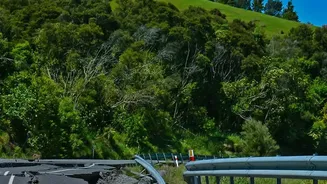
drinking water project. The disaster was not caused by a simple cloudburst. Instead, intense monsoon rains, combined with snowmelt, triggered massive landslides high in the mountains. These landslides dumped enormous amounts of debris into the river, temporarily damming it. When this natural dam inevitably burst, it unleashed a destructive wave far more powerful than a normal flood, burying entire sections of the valley under metres of sediment.
The Science of a Cascade
This event was a textbook example of a “cascading hazard.” Think of it like a line of dominoes. The first domino to fall was the intense rainfall and snowmelt. This triggered the next one: widespread landslides in geologically fragile areas, some still recovering from the 2015 Gorkha earthquake. The landslides then toppled the next domino, blocking the river. The final, catastrophic domino was the breach of this landslide dam, which sent a destructive debris flow surging downstream. These chain reactions are becoming more frequent and intense across the Himalayas, a region scientists call the “Third Pole” due to its vast reserves of ice and snow. Climate change is accelerating this trend by causing more erratic rainfall, faster glacier melt, and destabilising slopes.
A Warning for the Entire Himalayan Arc
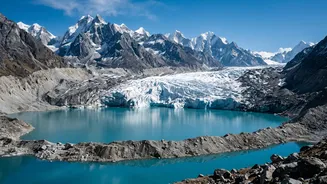
The Melamchi disaster is not an isolated incident. It serves as a crucial warning for the entire Himalayan region, including India. Scientists have noted that similar cascading events, such as the 2021 Chamoli disaster in Uttarakhand, are part of a dangerous new normal. In that event, a massive rock and ice avalanche triggered a flash flood that devastated two hydropower projects. The fundamental problem is that mountain ecosystems are highly interconnected. Deforestation, unplanned construction, and the proliferation of roads and dams weaken already fragile slopes, removing natural buffers that would otherwise absorb the shock of extreme weather. When a primary hazard like a landslide or glacial lake outburst flood (GLOF) occurs in this altered landscape, its impact is amplified as it cascades downstream.
India's Downstream Vulnerability
For India, the stakes are immense. Millions of people live in the downstream floodplains of rivers that originate in the high Himalayas. States like Uttarakhand, Himachal Pradesh, Sikkim, and Arunachal Pradesh are particularly vulnerable. The rivers that sustain life in these regions—the Ganga, Brahmaputra, and their tributaries—can also become conduits for destruction. A disaster originating in the remote, sparsely populated upper reaches can have devastating consequences hundreds of kilometres away. The challenge is that conventional disaster planning often focuses on single hazards, like floods or earthquakes, without fully accounting for how they might interact. The disaster in Nepal highlights that a landslide is not just a landslide; it can be the first step toward a catastrophic flood far from the initial site.
Rethinking Preparedness
Effectively managing this growing threat requires a shift in perspective. Experts argue that disaster preparedness must follow the geography of risk, not just administrative or political boundaries. Because a hazard that starts in Nepal can impact India within hours, cross-border cooperation on real-time data sharing and early warning is critical. This means moving beyond weather forecasts to include satellite monitoring of glacial lakes, unstable slopes, and river levels. Furthermore, community-based disaster risk management is essential. In the Melamchi flood, an informal warning from people upstream helped save lives downstream, demonstrating the power of local networks. Strengthening these networks and integrating them with official early warning systems can provide crucial extra time for communities to evacuate. Ultimately, building resilience means respecting the mountains' limits and moving towards more sustainable development that doesn't exacerbate an already volatile environment.