



The Two Faces of Cinnamon
When you grab a jar labelled simply “cinnamon” at the supermarket, you are almost certainly buying Cassia. It’s the common, affordable variety that dominates the global market. Cassia cinnamon comes from the bark of the Cinnamomum cassia tree, primarily
grown in China and Southeast Asia. It’s known for its strong, spicy flavour. The other contender is Ceylon cinnamon, often called “true cinnamon.” Hailing from Sri Lanka and Southern India, it comes from the Cinnamomum verum tree. Prized for its delicate flavour, it’s more expensive and harder to find.
Telling Them Apart by Sight
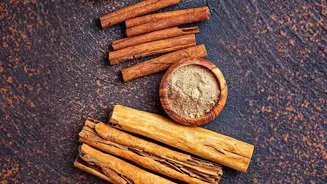
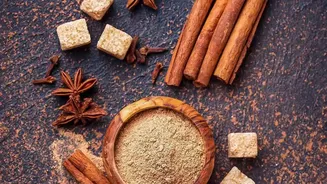
In their stick form, the two are easy to distinguish. A Cassia stick is dark reddish-brown, thick, and hard, consisting of a single, hollow layer of bark. It's tough to break by hand. Ceylon cinnamon sticks, or quills, are a lighter tan-brown. They are made of many thin, fragile layers of bark rolled together, resembling a cigar. This structure makes them soft and crumbly. In powdered form, it’s harder to tell, but Cassia is typically a darker, reddish-brown, while Ceylon is a lighter tan colour.
A Tale of Two Flavours
The most significant difference for any cook is the taste. Cassia has a bold, pungent, and spicy flavour. Its intensity comes from a higher concentration of the compound cinnamaldehyde, which makes up about 69% of its essential oil. This makes it perfect for robust baked goods like cinnamon rolls or in complex spice blends where it needs to stand out. Ceylon cinnamon is much more nuanced. Its flavour is mild, sweet, and delicate, with floral and citrus notes. With a lower cinnamaldehyde content (around 50-63%), it enhances dishes without overpowering them, making it ideal for custards, teas, and delicate desserts.
The Health Question: Understanding Coumarin
This is where the distinction becomes critical for daily users. Both cinnamons contain a natural compound called coumarin. In large doses consumed regularly, coumarin can pose a risk of liver damage in sensitive individuals. Cassia cinnamon contains high levels of coumarin, sometimes as much as 1%, which is about 250 times more than Ceylon. A single teaspoon of Cassia powder can contain enough coumarin to exceed the recommended tolerable daily intake for an adult. In contrast, Ceylon cinnamon contains only trace amounts, making it the safer choice for anyone who consumes cinnamon daily for health reasons or in large quantities.
Which Cinnamon Should You Buy?
The choice isn’t about good versus bad, but rather finding the right tool for the job. For that big, classic cinnamon punch in a bake-off winning apple pie or a fiery curry, the affordable and widely available Cassia is an excellent choice. Its robust flavour holds its own against other strong ingredients. However, if you are looking for a refined spice to subtly perfume a panna cotta or a cup of fine tea, it's worth seeking out Ceylon cinnamon. And for those who add cinnamon to their morning oatmeal or coffee every single day, the extremely low coumarin level in Ceylon makes it the much safer and preferred option for regular consumption.