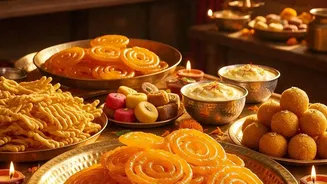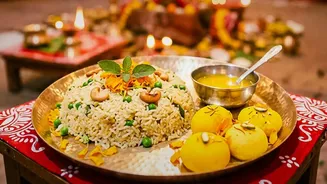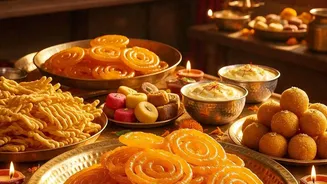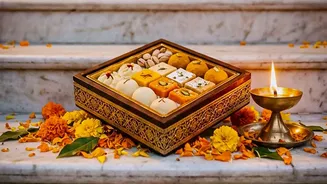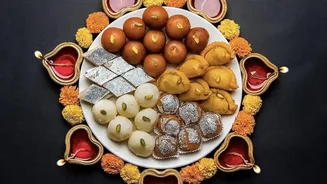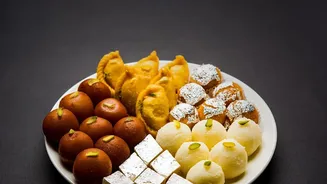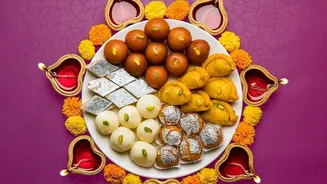






Diwali is a time of joy, family, and feasting. But the endless stream of sweets can be a concern. Here’s how you can savour the festive flavours of laddoos and barfi while still making mindful, healthier choices for you and your family.
Understanding the Festive Plate
Diwali isn't just
a single day of celebration; it's a season of indulgence where rich, fried foods and sugar-laden sweets are central. While delicious, traditional mithai like laddoos and barfi are typically high in refined sugar, ghee, and processed flours. A single besan laddoo can contain around 150-200 calories, packed with carbohydrates and fats. This combination, consumed over several days, can lead to digestive issues like bloating and acidity, energy crashes, and concerns for those managing conditions like diabetes or high cholesterol. The goal isn't to avoid these treats altogether, but to enjoy them smartly. Understanding what's on your plate is the first step toward finding a happy, healthy balance during the festivities.
The Power of Portion Control
One of the most effective strategies for healthy festive eating is practicing portion control. Instead of banning sweets, simply be mindful of how much you consume. Opting for a smaller plate can psychologically help you serve yourself less. When faced with a box of assorted mithai, choose one or two of your absolute favourites and savour them slowly. Eating mindfully, paying attention to the taste and texture, can make a small portion feel more satisfying than mindlessly eating several pieces. If you're visiting friends and family, it's okay to politely decline a second helping. Remember, respecting your body's limits is just as important as respecting your host's hospitality.
Decoding Laddoos and Barfi
Not all sweets are created equal. Laddoos and barfi can vary significantly based on their ingredients. While besan (gram flour) itself is a good source of protein and fibre, the final laddoo's health profile depends on the amount of ghee and sugar added. Sweets made with a base of nuts, seeds, and dry fruits are generally a better choice than those soaked in sugar syrup. When possible, opt for homemade sweets where you can control the ingredients. Consider making simple swaps like using jaggery ('gur') or dates instead of refined white sugar. While jaggery still raises blood sugar, it is less processed and contains trace minerals like iron and magnesium. Baking or air-frying snacks instead of deep-frying can also significantly cut down on unhealthy fats.
Timing and Balance Are Key
When you eat your sweets can make a difference. Consuming mithai on an empty stomach can cause a rapid spike in blood sugar. It's better to enjoy your laddoo or barfi as a dessert after a balanced meal. A meal rich in protein and fibre, such as dal, vegetables, and whole grains, will help slow down sugar absorption and prevent a subsequent energy crash. Also, try to eat sweets during the daytime when your body is more active and can better utilize the energy. Avoid late-night indulgence, as it can disrupt digestion and sleep. And don't forget to stay hydrated with water, coconut water, or buttermilk, as thirst is often mistaken for hunger.
Beyond the Mithai Box
A healthy Diwali isn't just about managing sweets. It's about maintaining an overall balanced approach. Don't skip main meals to 'save calories' for a party, as this often leads to overeating later. Instead, eat a light, protein-rich snack like a bowl of curd or some nuts before heading out. Fill your festive plate with more than just treats; ensure you're getting a good serving of salads, vegetables, and lean proteins. Finally, incorporate some light physical activity into your routine. A simple 10–15 minute walk after a heavy meal can aid digestion and help your body manage the festive load. These small, consistent habits will allow you to enjoy the festival to the fullest without any post–celebration guilt.