



A Shoreline of Epic Proportions
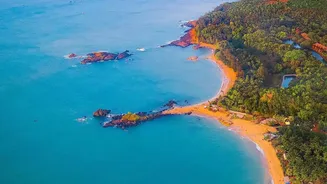
Stretching across approximately 1,600 kilometres, Gujarat boasts the longest coastline of any state in India. This isn't just a monotonous stretch of sand; it's a dynamic and varied tapestry that changes dramatically as you travel from the saline deserts
of Kutch in the north to the lush southern shores. This vast expanse is home to everything from serene beaches and vibrant port cities to sacred pilgrimage sites and unique marine ecosystems. It is this sheer diversity, woven into the fabric of the state's identity, that offers an unparalleled journey for any traveller and was highlighted as a key reason for its inclusion in Lonely Planet's prestigious list. The coast is not just a geographical feature but a character in Gujarat’s story.
Where Ancient History Meets the Sea
Gujarat's coast is a gateway to the past, holding remnants of one of the world's oldest civilizations. The UNESCO World Heritage Site of Dholavira, located on Khadir Bet island in the Great Rann of Kutch, was a sophisticated Harappan city dating back 4,500 years. Its well-preserved urban planning and advanced water conservation systems offer a stunning look into ancient life. Further south, the site of Lothal is believed to have been one of the world's first seaports, a crucial hub for the Indus Valley Civilization's maritime trade. Visiting these sites allows you to walk through history, imagining the ancient mariners and traders who once set sail from these very shores, connecting the subcontinent to the wider world.
Spiritual Sanctuaries by the Shore
For millennia, the coast of Gujarat has been a beacon for spiritual seekers. Two of Hinduism's most revered sites, Dwarka and Somnath, are perched on its western edge, overlooking the Arabian Sea. Dwarka, the legendary kingdom of Lord Krishna, is home to the majestic Dwarkadhish Temple, a key Char Dham pilgrimage site. Further down the coast, the Somnath Temple stands as a powerful symbol of resilience and faith. It is the first of the twelve sacred Jyotirlinga shrines dedicated to Lord Shiva. The experience of visiting these temples, with the sound of crashing waves and the scent of incense blending in the sea breeze, is a profoundly spiritual journey that connects divinity with nature.
A Haven for Wildlife and Nature
Beyond history and faith, the coastline is a vibrant ecological treasure. India's first Marine National Park, located in the Gulf of Kutch near Jamnagar, is a prime example. This unique park comprises an archipelago of 42 islands, protecting fragile ecosystems of coral reefs and mangrove forests. During low tide, visitors can literally walk on the seabed to observe a stunning variety of marine life, including colourful corals, starfish, octopuses, and sea turtles, without needing to dive. The coastal wetlands and mudflats also attract vast flocks of migratory birds, including flamingos, making it a paradise for birdwatchers and nature lovers seeking an experience far from the ordinary.
From White Sands to Bustling Beaches
The diversity of Gujarat's coast is best expressed through its beaches. In Kutch, Mandvi offers a unique experience with its historic shipyard and the serene beauty of the Vijay Vilas Palace overlooking the sea. The beach here is a tranquil escape, often visited by flamingos in the winter. Further south, the shores around Dwarka and Somnath are alive with the energy of pilgrims. For those seeking classic beach relaxation, the sands of Ahmedpur Mandvi and the nearby island of Diu provide opportunities for water sports and leisure. Each stretch of sand tells a different story, whether of history, faith, nature, or pure relaxation, completing the rich mosaic that makes Gujarat's coastline so compelling.