


A Masterclass in Flavour and Speed
At its core, Indian street food is a masterclass in efficiency and flavour dynamics. It’s an edible theatre where vendors, with practiced ease, assemble dishes that hit every note on the palate—sweet, sour, spicy, tangy, and crunchy—often in a single
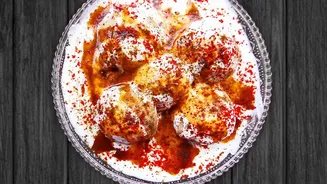
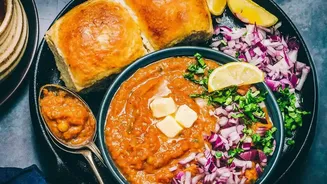
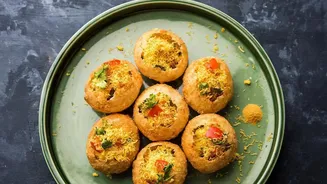
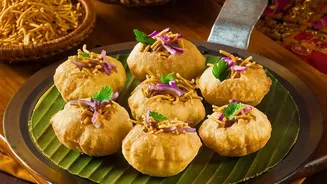
bite. Think of the complex water of a pani puri, the layered chutneys in a bhel puri, or the buttery, spicy harmony of pav bhaji. This is not just cooking; it's a high-speed performance of balancing textures and tastes. This very complexity, born of simple ingredients and resourcefulness, provides a rich blueprint for modern chefs looking to create memorable, multi-sensory dining experiences.
The Genius of Jugaad and Innovation
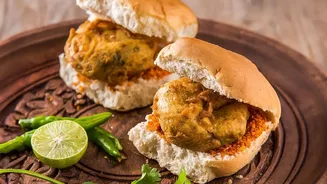
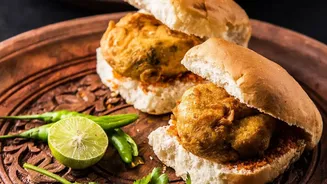
Long before 'innovation' became a buzzword, street food vendors were the original disruptors. Limited by space, equipment, and resources, they perfected the art of 'jugaad'—a flexible, innovative approach to problem-solving. This mindset fosters constant, small-scale evolution. A vada pav vendor might add a new chutney, or a kathi roll stall might experiment with a new filling. This spirit of lean innovation is deeply appealing to modern food creators. They see in street food a model for how to create something extraordinary from the ordinary, how to adapt to customer tastes on the fly, and how to build a loyal following based on one perfect, signature item. The street is a living R&D lab for Indian flavours.
From Street Stall to Starter Menu
The most visible sign of this inspiration is on the menus of India’s most acclaimed modern restaurants. Chefs like Manish Mehrotra of Indian Accent have famously elevated humble street dishes, turning them into gourmet experiences. Examples abound: deconstructed chaat served with foams and gels, mini vada pavs appearing as sliders, and dishes like Daulat ki Chaat being reimagined with modern techniques to be available year-round. This isn’t about imitation but reinterpretation. Chefs are borrowing the soul and nostalgia of street food and presenting it through the lens of global culinary techniques, like molecular gastronomy, creating a bridge between a cherished memory and a fine-dining novelty.
An Emotional and Cultural Connection
Ultimately, the appeal of street food is more than just taste; it's deeply emotional and cultural. For millions of Indians, these flavours are tied to memories of childhood, college days, and post-work snacks. When a modern chef puts a creative spin on a beloved dish like sev puri or a kathi roll, they are tapping into a powerful collective nostalgia. It’s a shared language of comfort and joy. By referencing these classics, creators can instantly establish a connection with their diners, offering them something that feels both excitingly new and comfortingly familiar. They are selling not just food, but a story and a feeling that resonates deeply within the Indian cultural context.