



Rethinking Fat: Not All Fats Are Equal
The idea that all fat is bad for you is an outdated myth. The truth is more nuanced. Your body needs dietary fat for several critical functions, including absorbing vitamins and, most importantly, providing energy. The key is distinguishing between the
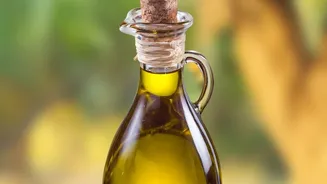
types of fat. Saturated fats, often found in processed foods and some animal products, are the ones to limit. Unsaturated fats, on the other hand, are celebrated for their health benefits. Olive oil is a star in this category, composed predominantly of monounsaturated fats. These are the “good fats” that form the cornerstone of the famously healthy Mediterranean diet. They play a vital role in maintaining cellular health and supporting your body’s complex systems.
A Superior Source of Sustained Energy
Your body has two primary fuel sources: carbohydrates and fats. While carbs provide quick energy, fats offer a more concentrated and sustained power source. Gram for gram, fat provides more than double the energy of carbohydrates or protein. When you consume olive oil, your body breaks down the fats into fatty acids. These fatty acids are then transported through the bloodstream to cells, where they are 'burned' to produce ATP, the body's main energy currency. This process is highly efficient and provides the long-lasting energy needed to power you through your day, whether you're at rest or engaging in moderate activity. Some studies even suggest that a diet rich in monounsaturated fats, like those in olive oil, can increase the body's resting energy expenditure compared to diets high in saturated fat.
The Power of Monounsaturated Fat
The vast majority of the fat in olive oil—around 73%—is a monounsaturated fat called oleic acid. This fatty acid is a powerhouse of health benefits. One of its most celebrated roles is in promoting cardiovascular health. Research consistently shows that oleic acid helps lower levels of 'bad' LDL cholesterol while maintaining or even increasing 'good' HDL cholesterol. It also contributes to lower blood pressure and has anti-inflammatory properties. This makes it a crucial nutrient for protecting your heart and keeping your arteries healthy. Some studies even link higher oleic acid intake with better weight management, as it can help control insulin and reduce hunger by promoting a feeling of fullness.
Beyond the Fat: A Symphony of Nutrients
The benefits of high-quality olive oil don't stop with its fatty acid profile. Extra virgin olive oil (EVOO), the least processed form, is packed with other powerful compounds. It is an excellent source of Vitamin E and a good source of Vitamin K. Vitamin E is a fat-soluble antioxidant that protects cells from damage, while Vitamin K is essential for blood clotting and bone health. Furthermore, EVOO is rich in polyphenols, which are natural plant compounds with potent antioxidant and anti-inflammatory properties. These compounds, such as oleocanthal and hydroxytyrosol, help fight oxidative stress in the body, which is a factor in many chronic diseases, including heart disease and some cancers. These polyphenols are what give high-quality EVOO its characteristic pungent or peppery taste.
Making the Most of Your Olive Oil
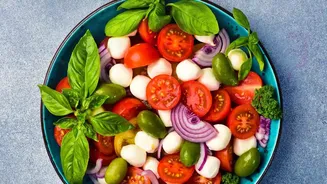
To reap the full benefits, choosing the right olive oil is key. 'Extra virgin' is the highest grade, made from cold-pressed olives without the use of heat or chemicals, which preserves its nutrient and polyphenol content. Its flavour is robust, making it perfect for drizzling over salads, vegetables, and finished dishes. For cooking at higher temperatures, regular or light olive oil can be a better choice as EVOO has a lower smoke point. Incorporating this liquid gold into your diet is simple. Use it as your primary cooking oil, make it the base for your salad dressings, or simply dip fresh bread into it for a satisfying snack. By replacing less healthy fats like butter and processed vegetable oils with olive oil, you take a significant step towards a healthier, more energetic lifestyle.