



What is a Car-Free Street?
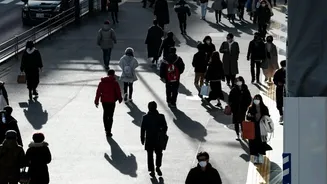
A car-free zone is exactly what it sounds like: an area where motorised traffic is completely, or almost completely, prohibited. These zones are exclusively for people on foot, cyclists, and other forms of non-motorised transport. The primary goal is to eliminate
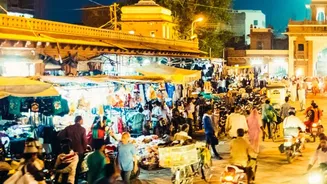
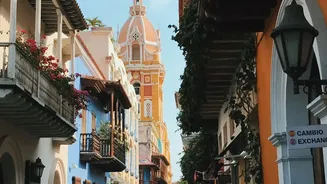
vehicle traffic to maximise safety, reduce noise and air pollution, and create a tranquil public space. Access is typically only granted to emergency services and sometimes for essential deliveries during strict, limited hours. Think of historical city centres with narrow, winding lanes, like the ancient Fes el-Bali in Morocco or the canals of Venice, which were built long before cars existed and are naturally car-free. In a modern context, cities create these zones deliberately to revitalise an area, such as New York's famous Times Square, which saw a significant drop in accidents after pedestrianisation.
What is a Pedestrian-Priority Street?
A pedestrian-priority street is a more nuanced concept. Instead of an outright ban, this approach rebalances the power dynamic on the street, making vehicles 'guests' in a space dominated by people. While cars are allowed, they are forced to travel at very low speeds, typically under 20 km/h, due to the street's design. This design philosophy is often called a 'woonerf' (a Dutch term for 'living street') or a 'shared street'. Features include the removal of kerbs to create a single, level surface, the use of different paving materials, and the strategic placement of trees, benches, and planters to calm traffic. The goal isn't to exclude cars but to integrate them safely into a multi-use public space where walking, cycling, and socialising take precedence. A prime example is Exhibition Road in London, where the design encourages drivers to be more cautious and yield to the large number of people on foot.
Exclusion vs. Integration: The Key Difference
The fundamental difference lies in the philosophy: exclusion versus integration. Car-free zones work by removing vehicles to create a pedestrian sanctuary. Pedestrian-priority streets, on the other hand, work by taming vehicles and forcing them to coexist with other users. A car-free street offers the highest level of pedestrian safety and comfort but can create challenges for accessibility, deliveries, and residents who rely on cars. A shared, pedestrian-priority street offers a compromise. It maintains vehicle access for residents and businesses but does so in a way that radically slows traffic and changes driver behaviour. While it may not feel as completely safe as a fully pedestrianised area, it provides greater flexibility, which can be crucial for the economic viability of some businesses and the daily lives of residents.
Global Examples of Peoplest First Streets
Cities across the globe are embracing both models. Brussels and Oslo have implemented ambitious car free plans in their city centres, leading to increased foot traffic for shops and a dramatic reduction in pedestrian fatalities. Barcelona's 'superblocks' programme redirects traffic to the perimeter of a nine block area, creating a pedestrian priority zone inside with significantly reduced vehicle flow. In South America, Bogotá’s weekly 'Ciclovía' is a famous temporary example, where major roads are closed to cars every Sunday, attracting over a million people to walk, cycle, and socialise. Even in ancient cities like Lamu, Kenya, the car free tradition continues, with donkeys and bicycles being the primary modes of transport through its narrow medieval streets.
Why This Distinction Matters for Our Cities
Understanding this difference is vital for urban planning. A car free approach can transform a commercial district, boosting retail sales and tourism as seen in many European city centres. However, it requires robust public transport to compensate for the lack of car access and can sometimes face initial opposition from businesses worried about deliveries and access. Pedestrian priority schemes offer a more incremental path. They can be implemented more easily on residential streets or in mixed use areas where full closure isn't practical. These 'living streets' have been shown to increase social interaction, property values, and make neighbourhoods safer for children. Ultimately,' the choice between the two depends on the specific context and goals of a street or district. Both strategies,' however,' point towards a future where cities are designed for people,' not just for cars.