







The Foundation: Calories and Macronutrients
Before diving into meal timing, it's crucial to understand the basics. To build muscle, your body generally needs to be in a calorie surplus, meaning you consume more calories than you burn. These calories should come from a balance of macronutrients.
Protein is essential, as it provides the amino acids needed to repair and build muscle tissue after exercise. Aim for about 1.6 to 2.2 grams of protein per kilogram of your body weight, distributed throughout the day. Carbohydrates are your body's primary energy source, fueling intense workouts and replenishing glycogen stores afterward. Healthy fats play a key role in hormone production, which is vital for muscle growth. A common starting ratio is around 40-50% carbohydrates, 30-35% protein, and 20-30% fats.
Breakfast: Fueling the Day
Start your day with a protein-rich meal to kickstart muscle protein synthesis, the process of building muscle. A strong breakfast prevents your body from breaking down muscle tissue for energy after an overnight fast. Combine a quality protein source with complex carbohydrates for sustained energy. Great options include scrambled eggs with whole-grain toast and a side of avocado, or a bowl of oatmeal mixed with protein powder and topped with berries and nuts. Greek yogurt with fruit and granola is another excellent, quick choice. This initial meal sets the tone for a day of muscle repair and growth.
Lunch: The Midday Refuel
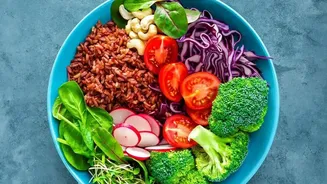
Your midday meal should be a balanced mix of protein, complex carbs, and vegetables. This combination helps maintain energy levels and continues the supply of amino acids to your muscles. Think of it as reloading your body for the second half of the day, whether that includes a workout or simply recovery. A grilled chicken breast with a generous portion of quinoa or brown rice and steamed broccoli is a classic and effective choice. Other options include a turkey sandwich on whole-wheat bread or a large salad with a lean protein like tuna or chickpeas.
Pre-Workout: Powering Your Performance
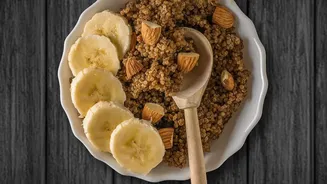
What you eat before you train can significantly impact your performance. Consume a meal one to three hours before your workout that is rich in carbohydrates and contains a moderate amount of protein. The carbs provide the immediate energy needed to push through a tough session, while the protein helps to get a head start on muscle preservation. Good choices include a small bowl of oatmeal with a banana, a turkey wrap, or chicken with rice. If you're short on time, a simple snack like a banana or a small handful of almonds about 30 to 60 minutes before can also work.
Post-Workout: The Recovery Window
After a workout, your muscles are primed for nutrients. Consuming a meal or snack within about an hour of finishing your training helps maximize recovery. This post-workout meal should emphasize protein and carbohydrates. The protein aids in repairing the micro-tears in your muscles caused by exercise, while the carbohydrates replenish the energy (glycogen) you just used. A protein shake with a banana is a popular and fast-digesting option. Other effective recovery meals include grilled chicken with sweet potatoes, a tuna sandwich, or even a glass of low-fat chocolate milk.
Dinner: Repair Through the Evening
Your final large meal of the day continues the repair and rebuilding process. Similar to lunch, dinner should be a well-rounded meal featuring a lean protein source, complex carbohydrates, and plenty of vegetables. This ensures your body has the nutrients it needs to recover as you wind down. Examples include baked salmon with a sweet potato and asparagus, or a lean beef stir-fry with mixed vegetables and brown rice. These whole-food-based meals provide a slow and steady release of nutrients throughout the evening.