







The Proposed Change Explained
The Food Safety and Standards Authority of India (FSSAI) has put forward a draft notification that aims to tighten the definitions of milk and milk products. At the heart of this proposal is the principle that dairy-specific terms should only be used
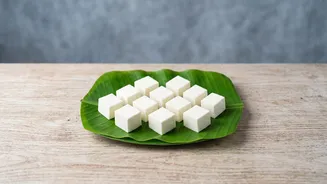
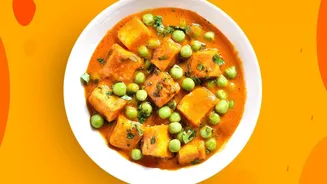
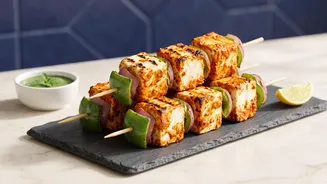
for products derived from animal milk. If passed into law, this means products made from soy, almonds, nuts, or other plant-based sources could no longer be marketed using terms like ‘paneer’, ‘cheese’, ‘curd’, or ‘yoghurt’. This isn't just a matter of removing a word; it's about creating a clear distinction in the market between traditional dairy and its rapidly growing plant-based counterparts. For a product like non-dairy paneer, often made from tofu or other vegetable proteins, manufacturers would need to find a new name for their product, such as ‘plant-based cubes’ or ‘soya block’.
Why Dairy Farmers Are For It
The dairy industry, a cornerstone of India's agricultural economy, has been a major proponent of these changes. For years, dairy cooperatives and farmers' associations have argued that the use of dairy terminology by plant-based companies is misleading to consumers and constitutes unfair competition. Their stance is that 'paneer' is not just a name; it’s a standard of identity that implies a specific origin (milk) and nutritional profile. They contend that when a consumer picks up a package labelled 'soya paneer', they might mistakenly believe it offers the same nutritional benefits as traditional milk-based paneer. By reserving the term, the dairy sector hopes to protect the integrity and legacy of a product that has been part of Indian cuisine for centuries, ensuring that the word ‘paneer’ remains a guarantee of its dairy origins.
The Plant-Based Industry's Rebuttal
On the other side of the debate are the burgeoning plant-based food companies and animal rights organisations. They argue that this move stifles innovation and unfairly targets a sector that provides alternatives for vegans, the lactose-intolerant, and health-conscious consumers. The plant-based industry claims that consumers are savvy enough to understand the difference, especially when qualifiers like 'vegan' or 'soya' are used. They point out that these naming conventions, like 'almond milk' or 'vegan butter', are used to describe the product's function and texture in a way that is immediately understandable. Forcing them to use unfamiliar names like 'plant-based curds' or 'vegetable protein cubes' would create confusion and act as a barrier to consumer acceptance. They see this not as a move to protect consumers, but as a protectionist measure by the established dairy lobby to curb competition.
A Global Food Fight Comes to India
This naming dispute is not unique to India. Similar battles have been fought in courtrooms and regulatory bodies across the world. In the European Union, terms like ‘soymilk’ and ‘vegan cheese’ are already banned, forcing manufacturers to use creative descriptions like ‘soya drink’ and ‘plant-based alternative to cheese’. In the United States, there have been extensive legal challenges over the labelling of everything from almond milk to veggie burgers. By proposing these rules, India is joining a global conversation about how to regulate food language in an era of rapid dietary change. The outcome will signal how the country plans to balance the interests of its powerful, traditional agricultural sectors with the demands of a modernising consumer base that is increasingly open to global food trends.
What It Means for Your Grocery List
So, what does this ultimately mean for the average shopper? If the FSSAI regulations are finalised, the next time you look for a non-dairy paneer alternative, you might have to scan the shelves for a different name. While the product itself won't change, its packaging will. This could initially make it harder to find your favourite plant-based options. For manufacturers, the change will necessitate costly rebranding and marketing campaigns to re-educate their customers. While the stated goal is to eliminate confusion, some worry it may temporarily create more of it. Ultimately, the move will force a clearer separation on the grocery shelf, drawing a hard line between animal-derived products and their plant-based challengers. Your choice will still be there, but you may need to learn a new vocabulary to find it.