





A New Flock of Diplomats
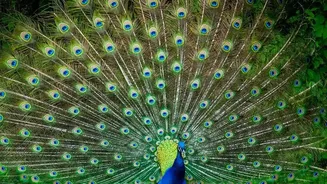
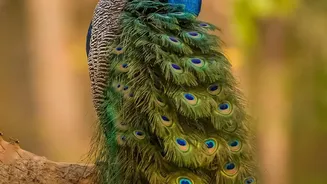
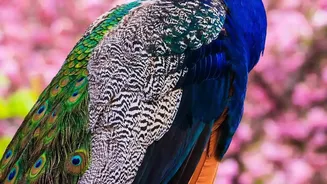
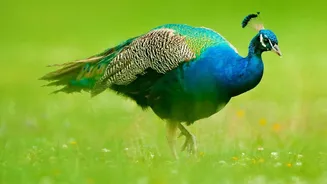
In a special ceremony at the United Nations Office at Geneva (UNOG), India's Permanent Representative, Arindam Bagchi, formally presented five young Indian peacocks to the UN. The group includes four classic blue peafowl and one rare, all-white male,
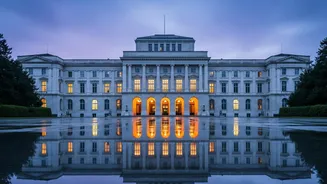
a combination meant to mirror the blue and white colours of the United Nations itself. This gift marks a significant moment, renewing a special connection between India and the historic grounds of the Palais des Nations, the UN's European headquarters. The birds will initially stay in a large, enclosed habitat to acclimate before they are allowed to roam freely across the park, under the care of the Geneva Bioparc zoo and UN staff.
A Tradition Older Than the UN
The presence of peacocks in Geneva's Ariana Park is a tradition that predates the United Nations and even its predecessor, the League of Nations. The story begins in the 19th century with Gustave Revilliod, a wealthy Swiss art collector and philanthropist. When he bequeathed his vast estate to the city of Geneva in 1890, he had specific conditions: the park would be named 'Ariana' after his mother, it must remain open to the public, and his beloved peacocks must always be allowed to roam freely on the grounds. For decades, these birds were an iconic feature of the park, living symbols of the founder's vision.
The First Indian Connection
This is not the first time India has contributed to this unique tradition. In 1981, then-Prime Minister Indira Gandhi sent a breeding pair of peacocks from the Delhi Zoo to Geneva. For many years, those birds and their descendants populated the park, keeping Revilliod's wish alive. However, over time, due to natural predators like foxes and the passage of years, the population dwindled. Recently, the population had fallen to just a single bird, putting the century-old tradition at risk of disappearing entirely.
More Than Just a Gift
The arrival of the new peacocks is a powerful act of cultural diplomacy. The Indian Peacock, the national bird of India, is a symbol of grace, beauty, and resilience. In a statement, the Indian Mission noted that the gift represents the country's commitment to biodiversity and environmental stewardship. The gesture highlights India's natural heritage and underscores its long-standing partnership with the United Nations and its commitment to multilateralism. UN officials welcomed the birds, calling them the "newest (and most dazzling) diplomats in Geneva." The UN Office even plans to host a competition to name the five new residents.
A Symbol of Peace and Renewal
Ariana Park, where the Palais des Nations is located, is more than just a backdrop for global diplomacy; it is a space where nature and international cooperation coexist. The peacocks have always been a cherished part of this identity, delighting visitors and delegates alike. India's gift ensures that this charming piece of Geneva's history will continue for a new generation. It is a story of how a philanthropist's wish from 1890, an Indian Prime Minister's gesture in 1981, and a new diplomatic effort in 2026 have woven together to keep a beautiful tradition of peace alive. As they settle into their new home, these five birds carry a 45-year-old story of friendship between India and the UN.