



What is 'Seasoning,' Really?
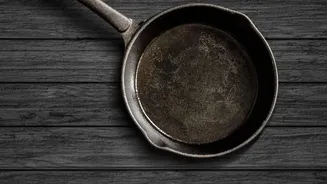
Seasoning has little to do with salt and pepper. In the world of cast iron, seasoning is the process of baking a thin layer of oil onto the pan's surface. When heated to a high temperature, the fat molecules undergo a process called polymerization. This
chemical reaction transforms the liquid oil into a hard, plastic-like coating that bonds directly to the metal. This new surface is not only slick and non-stick, but it also creates a protective barrier that shields the raw iron from oxygen and moisture, which cause rust. Every time you cook with oil, you add to these layers, gradually building a smooth, dark patina that improves with every use.
How to Build a Strong Foundation
Most new cast-iron pans come pre-seasoned, but this initial layer is mainly for rust prevention. Building a truly robust cooking surface requires a few extra steps. First, wash and thoroughly dry your new pan. You can even heat it on the stove for a few minutes to ensure all moisture has evaporated. Next, choose an oil with a high smoke point. Grapeseed, canola, and sunflower oil are excellent and affordable choices. Some purists prefer flaxseed oil for its superior polymerization, though it's less common for everyday cooking. Apply a very thin layer of your chosen oil to the entire pan—inside, outside, and the handle—using a lint-free cloth or paper towel. The key is to apply the oil and then wipe it off as if you made a mistake, leaving only a microscopic, non-greasy film. Too much oil will result in a sticky, uneven surface.
The Seasoning Process in Your Oven
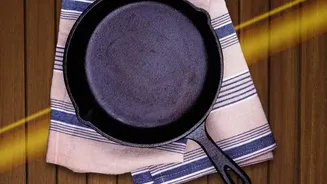
To polymerize the oil, place the lightly oiled pan upside down on the middle rack of your oven. Placing it upside down prevents oil from pooling on the cooking surface. Put a sheet of aluminum foil on the bottom rack to catch any potential drips. Heat the oven to a high temperature, generally between 450-500°F (232-260°C), and let the pan bake for one hour. After an hour, turn off the oven but leave the pan inside to cool down completely. This slow cooling helps the seasoning cure properly. For the best results, repeating this process three to four times will build a fantastic initial base.
Daily Care for a Lasting Pan
The best way to maintain your seasoning is simply to cook with your pan regularly. After cooking, clean the pan while it's still warm. For most messes, a simple wipe with a paper towel or a gentle scrape with a spatula is enough. For stuck-on food, use a stiff brush and hot water. Many people use coarse salt as a gentle abrasive to scrub away residue without harming the seasoning. A common myth is that you can never use soap. While you should avoid harsh detergents or prolonged soaking, a little mild dish soap is perfectly fine for a well-seasoned pan; just be sure to rinse it well. The most critical step is to dry your pan completely immediately after washing. You can towel dry it and then place it on a low burner for a few minutes to evaporate every last drop of moisture before storing.
Mistakes That Strip Seasoning
A few common habits can quickly undo your hard work. Soaking the pan in the sink is a primary cause of rust. Cooking highly acidic foods like tomatoes, wine, or citrus for long periods can also eat away at the seasoning, especially on a new pan. It's best to wait until your pan has a very dark, well-established patina before simmering tomato sauce. Using abrasive metal scourers like steel wool can also damage the surface, though it's great for removing rust if you plan to re-season from scratch. Finally, temperature shock—like plunging a hot pan into cold water—can cause the iron to crack.
Bringing a Damaged Pan Back to Life
If you find a forgotten, rusty skillet at a flea market or in the back of a cupboard, don't despair. Cast iron is incredibly resilient. To remove rust, you can scrub it away with steel wool and soapy water. For more significant rust, soaking the pan in a 50/50 solution of white vinegar and water for about an hour can dissolve it. Once you've scrubbed the pan back to its bare metal, it's a blank slate. You'll need to wash and dry it thoroughly, then follow the complete oven seasoning process to build a new, protective layer from the ground up.