
The Race for the Top Spot
For years, the Indian luxury car market has been a two-horse race between German giants Mercedes-Benz and BMW. Now, that rivalry has reached a fever pitch. In the first half of 2026, BMW overtook its rival in retail sales for the first time in over a decade,
according to Vahan registration data. While the overall luxury market saw modest growth of around 4%, BMW's sales surged by 15-17%. This sets the stage for a monumental battle for the full-year crown. The company's massive product blitz is the engine driving this ambition, designed to consolidate its newfound lead and cement its position as the market leader by the end of the year.
A Strategy Built on Three Pillars
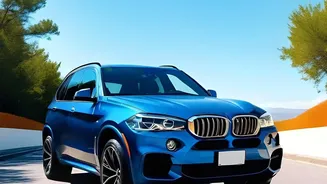
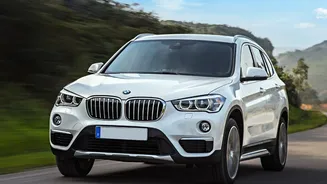
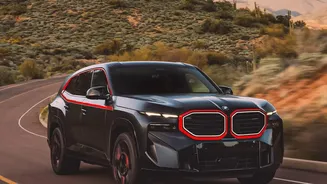
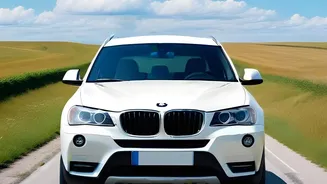
Unpacking the '25-product' plan reveals a carefully crafted, three-pronged strategy. The offensive isn't just about flooding the market; it's about targeted strikes across key segments. The first pillar is the high-end luxury segment, with flagship models that reinforce brand prestige. The second, and perhaps most crucial, is the company's powerful electric vehicle (EV) portfolio, which has become a significant growth driver. The third pillar involves strengthening its core models, particularly its popular Sports Activity Vehicles (SUVs), which now account for a staggering 65% of its sales. By launching a mix of all-new vehicles, facelifts, and new variants across these categories, BMW aims to leave no gap in its lineup for competitors to exploit.
The Electric Vehicle Power Play
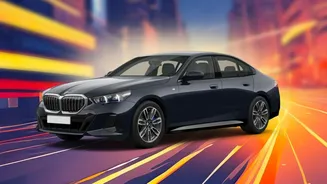
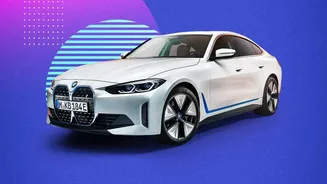
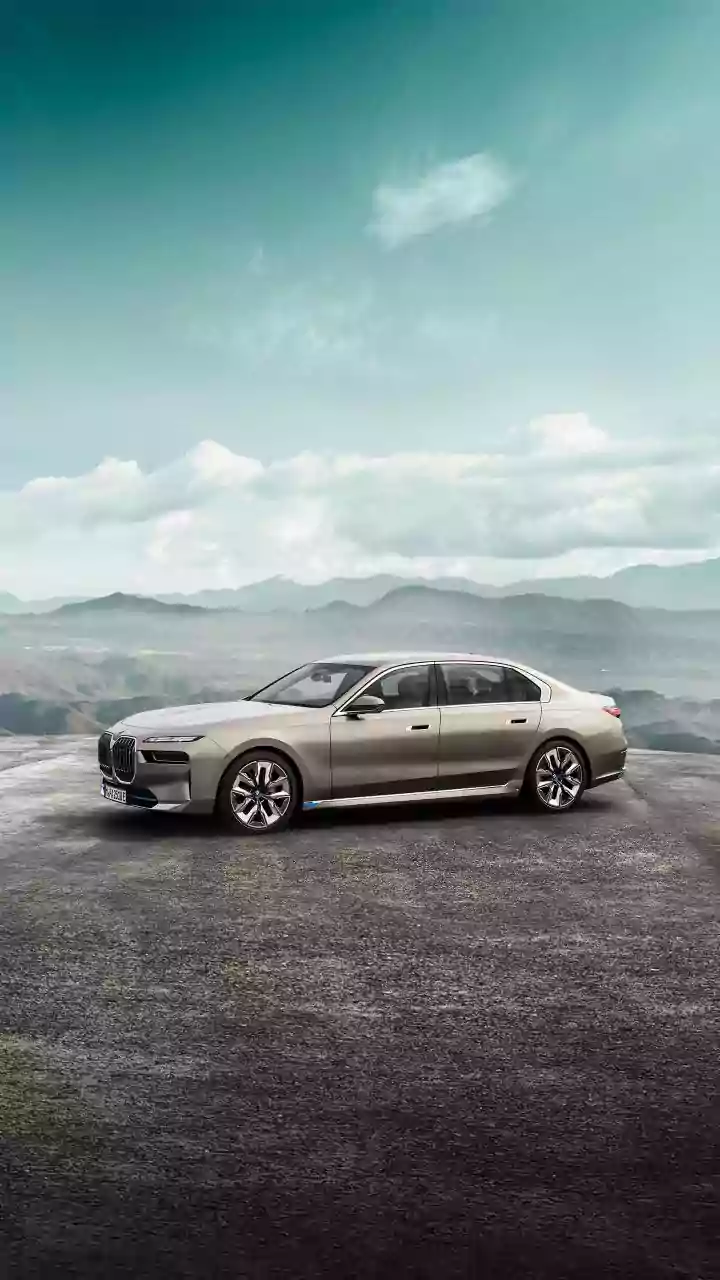
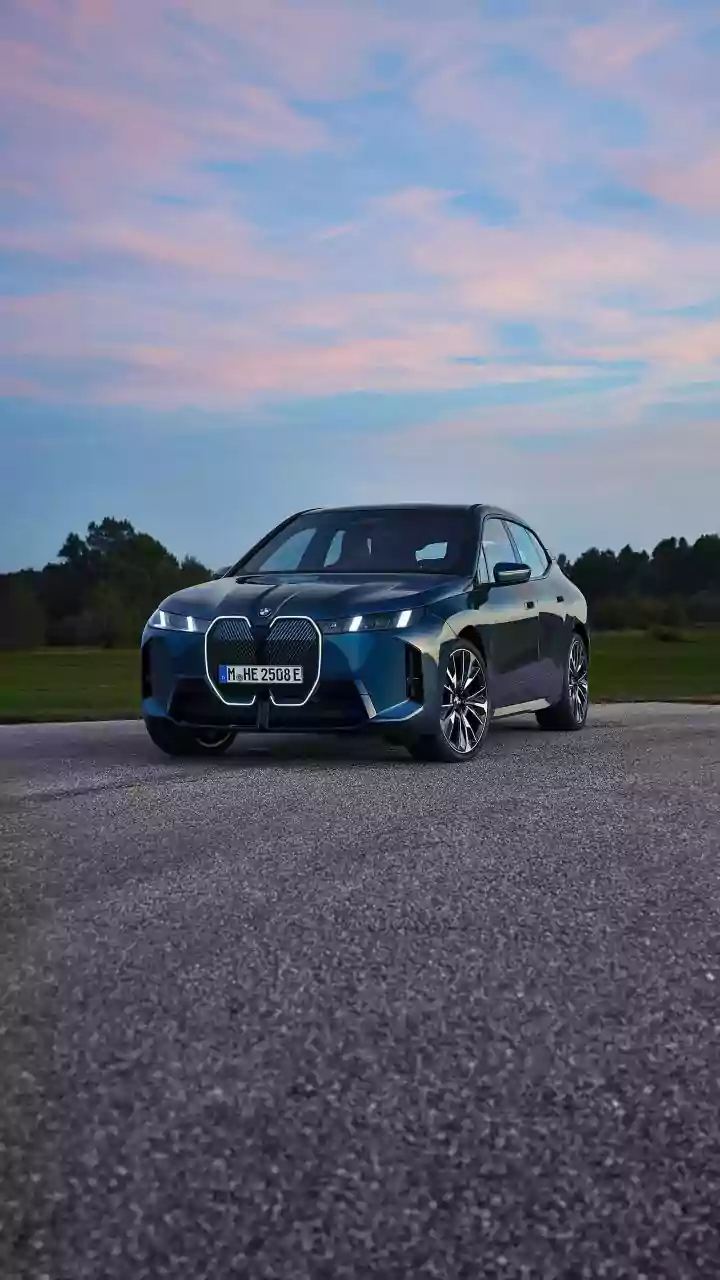
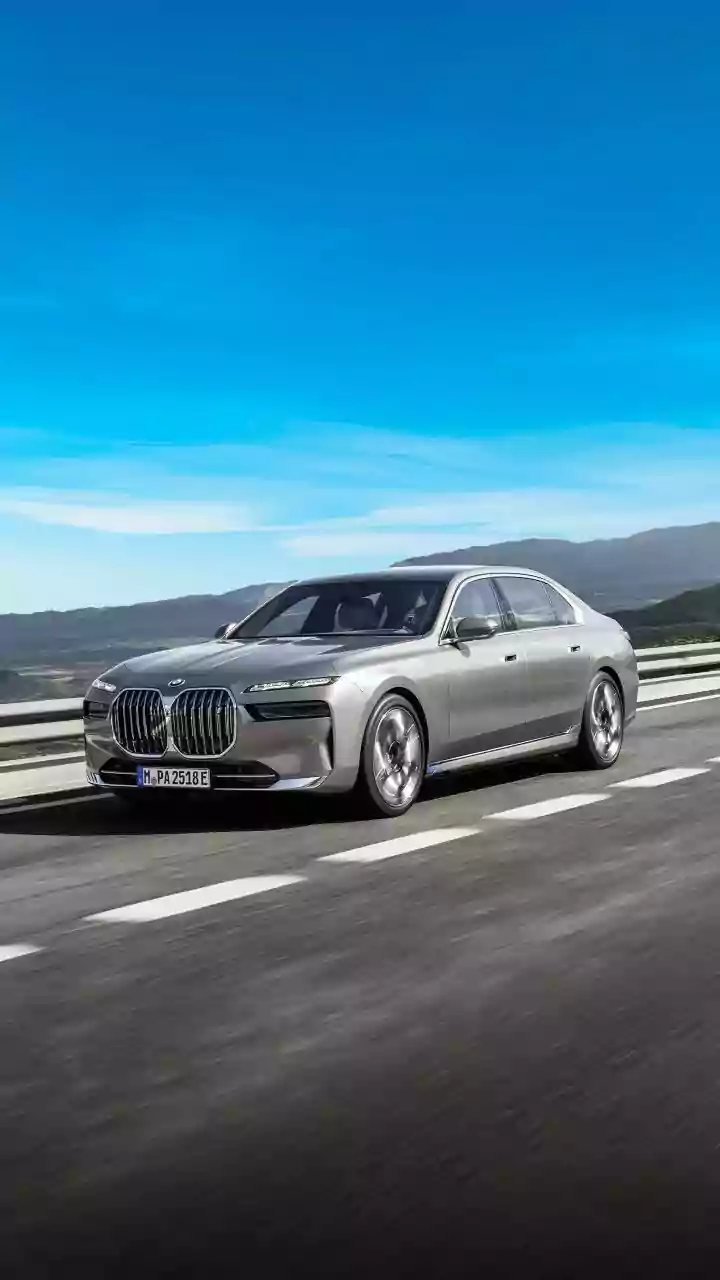
Nowhere is BMW's dominance more apparent than in the electric vehicle space. While other manufacturers are still building their EV foundations, BMW has established a commanding lead, capturing nearly 70% of the luxury EV market in India. This aggressive push means that today, every fourth BMW sold in the country is an electric vehicle. Models like the iX1, i5, and the flagship i7 have resonated strongly with buyers looking for performance without emissions. The company has supported this product push with a robust charging infrastructure plan, giving customers access to thousands of charging points nationwide. This focus on electrification is not just a nod to global trends; it's a core component of its strategy to win the Indian market.
Beyond the Showroom Floor
BMW's strategy extends far beyond the vehicles themselves. The company is simultaneously executing a significant expansion of its physical footprint across India. Recognizing that the next wave of luxury buyers will come from outside the traditional metro areas, BMW is aggressively pushing into Tier-II and Tier-III cities. The plan includes opening over 20 new outlets in 19 cities by the end of 2026, including locations like Lucknow, Jaipur, and Ranchi. This move is about making the brand more accessible and tapping into new pockets of wealth. By bringing the showroom experience to more customers, BMW is building a foundation for sustained growth, ensuring its products are not just desirable but also attainable for a new generation of affluent Indians.