
From the Mat to the Water
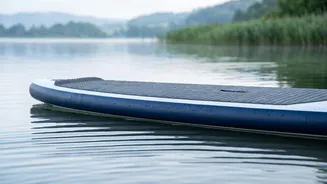
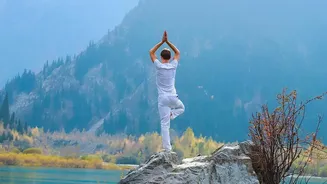
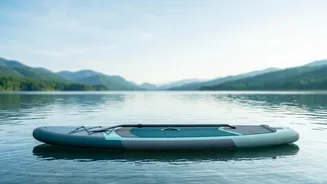
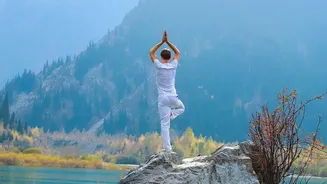
Imagine holding a familiar yoga pose, but instead of a stable floor beneath you, there’s a paddleboard gently swaying on water. This is the essence of Stand-Up Paddleboard (SUP) yoga. It combines traditional yoga postures with the dynamic environment
of open water, transforming your workout into a full-body experience that connects you with nature. The practice isn’t just about executing poses; it’s about adapting them to an unstable surface, which adds a completely new layer of challenge and reward. While it might seem daunting, both beginners and seasoned yogis can enjoy the practice, which enhances balance, focus, and overall strength in a way a studio session cannot.
The Core is Your Anchor
The single most significant adjustment in floating yoga is the intense and constant engagement of your core. On land, you might only consciously tighten your abs during specific poses. On a paddleboard, however, your core muscles—including your abs, obliques, and lower back—are forced to make constant micro-adjustments to keep you from tipping over. Every movement, from a simple downward-facing dog to a more complex warrior pose, requires a deep level of core stability that is often neglected in other workouts. This turns every moment on the board into a profound core-strengthening exercise, leading to better posture and functional fitness.
Lower Your Center of Gravity
Balance is a game of physics, and a lower center of gravity creates more stability. Many standard yoga poses need to be modified for the water. This often means widening your stance or bending your knees more deeply than you would on a mat. For example, in a Chair Pose, you might place your feet hip-width apart or wider to create a more stable base. Similarly, lunges become more manageable when you focus on keeping your hips low and your feet positioned on either side of the board's centerline. Even starting with poses that keep you closer to the board, like seated postures or Cat-Cow, can help you build confidence before moving to standing sequences.
Adjust Your Gaze and Your Mindset
In yoga, 'drishti' refers to a focused gaze that helps with concentration and balance. On a paddleboard, this concept becomes critical. Instead of looking down at the board, which can increase instability, practitioners are advised to fix their gaze on a stable point on the horizon. This external anchor point helps the body and mind find stillness amidst the water's movement. Just as important is the mental adjustment. You must embrace the instability and the high likelihood of falling in. Letting go of the fear of getting wet allows for a more relaxed, playful, and present practice. The wobbles and splashes are not failures but part of the unique, refreshing experience.
The Unexpected Benefits of Instability
While the adjustments are challenging, they are also the source of floating yoga’s greatest benefits. The constant effort to maintain balance significantly enhances your proprioception—your body's awareness of its position in space. This leads to improved coordination and stability in all other physical activities. The deep focus required means you can't let your mind wander; you are forced into a state of mindfulness that many find even more profound than in a studio setting. Furthermore, the practice offers a full-body workout that builds strength, endurance, and flexibility simultaneously, all while surrounded by the calming sounds and sights of nature.