




Why Walk Backwards?
Walking in reverse challenges your body in new ways. It can provide relief for aching knees by reducing the typical stress placed on the joint. Studies have shown it generates less compressive force on the kneecap compared to forward walking. This makes
it a valuable tool for individuals with conditions like knee osteoarthritis. Beyond joint health, it strengthens muscles differently, particularly the quadriceps, which are crucial for knee stability. This unique movement can also burn significantly more calories than walking forward at the same speed, improve balance and posture, and even boost cognitive function by forcing your brain to adapt to a new challenge.
Safety Above All: Find Your Space
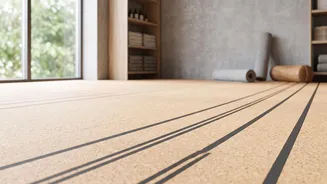
Before you take your first backward step, the most critical element is your environment. The risk of tripping or falling is much higher when you can't see where you're going. Start indoors in a spacious, clutter-free area like a long hallway. Clear the floor of any obstacles, such as toys, rugs, or furniture. A flat, even surface is essential. Avoid trying this for the first time in a crowded gym or on uneven outdoor terrain. Walking with a partner who can act as a spotter is also a great safety measure when you're starting out. Some experts suggest starting on a treadmill, where handrails provide support and you don't have to worry about unseen obstacles.
Your Step-by-Step Guide for Beginners
When you're ready to begin, start slowly. If you're indoors, you can use a wall or countertop for light support. Stand up straight, engage your core, and look ahead, resisting the urge to constantly twist and look over your shoulder. To take a step, extend your leg backward and land on the ball of your foot first, then roll back through to your heel. This toe-to-heel motion is the reverse of a normal stride. Keep your steps small and deliberate at first. Aim for a short session of just a few minutes to get accustomed to the sensation. The goal is to build confidence and muscle memory in a controlled manner.
Common Mistakes to Avoid
A common mistake is going too fast, too soon. Your body needs time to adapt to this new movement pattern. Another error is leaning too far back or hunching forward, which can throw off your balance and strain your back. Try to maintain an upright posture. While it’s natural to want to see where you are going, excessively turning your head and torso disrupts your alignment. Instead, rely on your initial survey of the clear space. If you're on a treadmill, avoid holding onto the handrails too tightly, which can lead to poor posture and negate some of the core-strengthening benefits. Start at a very slow speed, perhaps just 1 mph, and let go of the rails as you feel more stable.
How to Progress Your Practice
Once you feel comfortable and confident with the basics, there are several ways to make reverse walking more challenging. You can gradually increase your speed or the duration of your walks. A study showed significant pain relief for individuals with knee osteoarthritis who gradually increased their sessions from 10 minutes to 30 minutes over six weeks. You can also incorporate slight inclines, which will further engage your quadriceps and glutes. If using a treadmill, a small incline can add a significant challenge. As your balance improves, you can try walking without any hand support. The key is to listen to your body and progress at a pace that feels safe and sustainable for you.