




A Rising Tide of Travellers
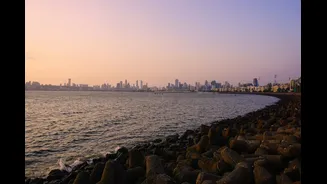
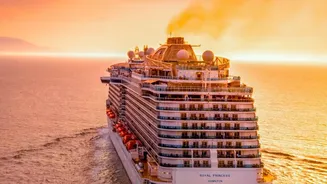
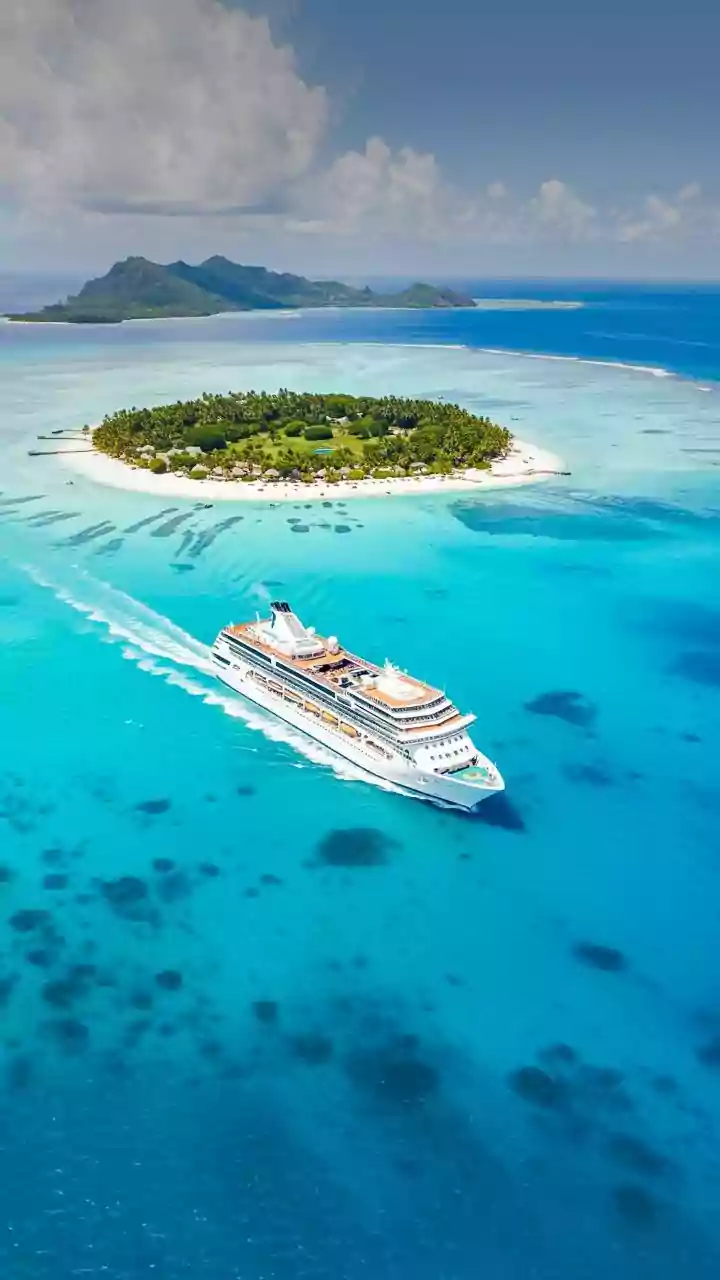
India, with its extensive 7,500-kilometre coastline, is making a concerted push to become a global cruise hub. Government initiatives like the 'Cruise Bharat Mission' and 'Maritime India Vision 2030' are central to this transformation. The ambitious goal
is to significantly increase cruise passenger traffic, with targets aiming to grow from just under half a million passengers to over four million in the coming years. This strategic focus involves building state-of-the-art cruise terminals, simplifying visa processes for international tourists, and developing new cruise circuits along both the sea coast and inland waterways. Major ports like Mumbai, Goa, Kochi, and Chennai are at the forefront of this boom, witnessing a steady increase in ship calls and passenger footfall.
The Ripple Effect on Local Economies
The real magic happens when passengers disembark. Each cruise arrival triggers a cascade of spending that benefits a wide array of local enterprises. This 'economic multiplier effect' is the engine of the new opportunities. Tourists spend on shore excursions, which means business for tour guides and transport operators. They dine at local restaurants, shop for souvenirs and handicrafts at nearby markets, and explore cultural sites, injecting valuable revenue directly into the community. This influx supports a diverse ecosystem of stakeholders, including travel agents, logistics providers, hospitality businesses, and countless small-scale entrepreneurs who cater to the daily needs and interests of thousands of visitors.
New Terminals, New Opportunities
A key enabler of this growth is the development of world-class infrastructure. The recently commissioned Mumbai International Cruise Terminal, for instance, can handle over a million passengers annually. Similar state-of-the-art terminals are being developed or upgraded in other key ports like Goa and Chennai. These modern facilities are more than just transit points; they are commercial hubs in their own right, featuring retail spaces, food courts, and lounges. This allows local brands and food businesses to set up shop directly at the point of arrival, gaining immediate access to a captive audience of international and domestic travellers. The improved infrastructure also allows larger vessels to dock, bringing even more tourists ashore.
Beyond the City Tour and Souvenir Shop
The opportunities extend beyond the typical tourist activities. The cruise industry itself requires a massive support network. This includes ship chandlery (supplying vessels with provisions like food and beverages), maintenance and repair services, and waste management. Local suppliers who can meet the stringent quality standards of international cruise lines find themselves with a significant new market. Furthermore, there's a growing demand for unique, high-value experiences. This opens the door for niche businesses offering everything from curated culinary tours and wellness experiences to adventure sports and specialised cultural workshops, catering to discerning travellers looking for more than just a standard sightseeing trip.
Navigating the Future
While the outlook is overwhelmingly positive, the path forward requires careful planning. Industry stakeholders have highlighted the need for more trained multilingual guides, seamless transport connectivity from ports to cities, and consistent quality across all services. Ensuring sustainability is also critical to prevent over-tourism in ecologically sensitive coastal areas and islands. However, with strong government backing and a clear strategic vision, the cruise industry is set not just to grow, but to become a cornerstone of economic development for India's port cities. The domestic market itself is projected to grow significantly, indicating a sustainable, long-term trend.