






A Closer Look at the Nutrients
Dates are often celebrated for their natural, caramel-like sweetness, but their true value lies in their dense nutritional profile. The headline stars, fibre and potassium, play crucial roles in our health. Just a small serving of dates provides a significant
amount of dietary fibre. This is essential for maintaining a healthy digestive system, as fibre adds bulk to stool, preventing constipation and promoting regular bowel movements. Soluble fibre, found in dates, can also help lower cholesterol levels and stabilise blood sugar, making it a heart-friendly nutrient. Potassium is another key player. This essential mineral and electrolyte is vital for the proper functioning of nerves, muscles, and the heart. It helps regulate fluid balance in the body and can counteract the effects of sodium, which may help manage blood pressure. Many people don't get enough potassium in their diets, and dates offer a delicious way to boost intake, containing more of the mineral by weight than bananas.
More Than Just a Sweet Treat
Beyond fibre and potassium, dates are loaded with other beneficial compounds. They are a good source of essential minerals like magnesium, copper, and manganese, which are important for bone health, energy production, and immune function. Dates also contain important B-vitamins, including B6, which supports brain health and metabolism. Furthermore, dates are rich in antioxidants, such as flavonoids, carotenoids, and phenolic acid. These compounds protect your cells from damage caused by unstable molecules called free radicals, which can contribute to chronic diseases and aging. Studies suggest the antioxidants in dates may help reduce inflammation in the body and brain, potentially lowering the risk for certain neurodegenerative diseases.
Natural Energy vs. Refined Sugar
When you need a quick energy boost, it's tempting to reach for a sugary biscuit or candy. However, dates provide a healthier alternative. The sweetness in dates comes from natural sugars like fructose and glucose. Unlike refined sugar, which offers empty calories, the sugar in dates is packaged with fibre. This fibre slows down the absorption of sugar into the bloodstream, leading to a more gradual release of energy without the dramatic spike and crash associated with processed sweets. This makes dates a smarter choice for sustained energy, whether before a workout or during a mid-afternoon slump. Their relatively low glycemic index means they have a lesser impact on blood sugar levels when eaten in moderation.
Dates in the Indian Context
In India, dates, or 'khajur', are more than just a fruit; they are an integral part of culinary and wellness traditions. They have been used for centuries in Ayurvedic medicine, where they are considered a 'Rasayana' or rejuvenating food that helps build 'Ojas'—the essence of vitality and immunity. Ayurveda recommends dates for boosting strength, improving digestion, and supporting overall wellness. From being used in chutneys and traditional sweets like 'khajur pak' and dry fruit 'laddus' to being eaten to break a fast, their presence is widespread. Varieties like Medjool, Ajwa, and Deglet Noor are popular across the country, each offering a slightly different flavour and texture. This deep cultural connection makes dates a familiar and cherished source of nourishment in Indian households.
Making Dates a Part of Your Diet
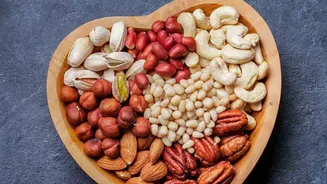
Incorporating dates into your daily routine is simple. They are perfectly convenient to eat on their own, but their versatility shines in the kitchen. You can stuff them with nuts like almonds or walnuts for a balanced snack that combines natural sugars with protein and healthy fats. Chopped dates can be added to morning porridge, yoghurt, or salads for a touch of sweetness. They can also be blended into smoothies to add creaminess and nutrients without refined sugar. For a healthier take on desserts, you can make a date paste by blending soaked dates with a little water, using it as a natural sweetener in baking. While they are nutritious, dates are also calorie-dense, so moderation is key. Nutrition experts often suggest that eating two to three dates per day is a good way to reap their benefits without overconsuming sugar or calories.