




The Challenge of Neutrals
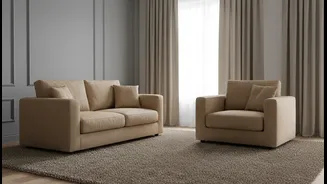
Decorating with shades of white, beige, grey, and taupe offers a promise of calm and timeless sophistication. These colours create a restful backdrop that allows architecture and furnishings to shine. However, a room composed solely of flat, neutral surfaces
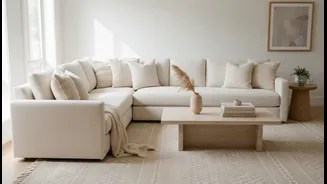
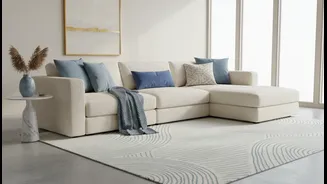
can lack personality and warmth. Without variation, the eye has nowhere to rest, and the space can feel monotonous or even sterile. The goal is to create a layered, inviting environment, which requires moving beyond colour alone and embracing the power of different surface qualities. This is where the strategic introduction of texture becomes not just a design choice, but a necessity.
The Grounding Power of Wood
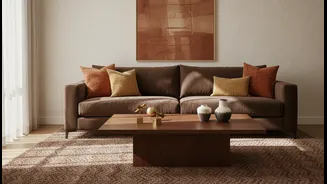
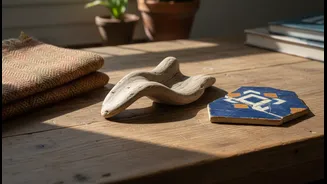
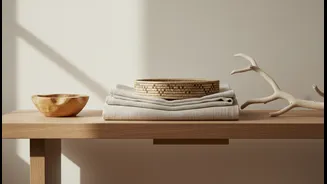
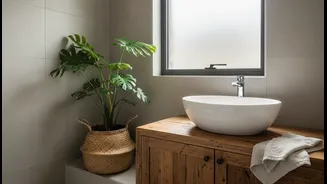
Wood is a foundational element for adding warmth and structure to any interior. Its natural grain, inherent imperfections, and organic feel provide a vital connection to the outdoors, instantly making a space feel more grounded and authentic. In a neutral room, wood can serve as both a subtle accent and a statement piece. Think of light oak floors that brighten a room, a reclaimed wood coffee table that adds rustic character, or a dark walnut dining set that brings depth and drama. Even smaller wooden items—like picture frames, decorative bowls, or the legs of a sofa—can introduce that necessary touch of organic warmth, breaking up the softness of an otherwise uniform palette.
Linen's Relaxed Elegance
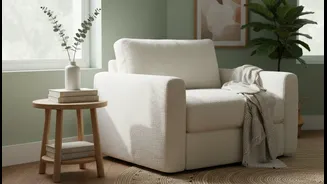
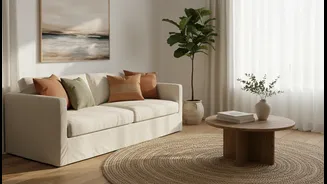
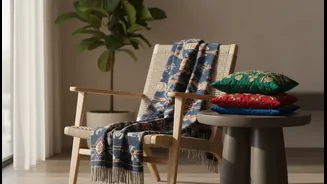
If wood provides the structure, linen provides the soul. Known for its effortless texture and breathability, linen introduces a sense of relaxed refinement. Its slightly wrinkled, lived-in quality prevents a room from feeling too precious or formal. It's the perfect fabric for creating an atmosphere of comfort and ease. Linen curtains can diffuse light beautifully, creating a soft glow. A linen-slipcovered sofa invites you to sink in and relax, while linen bedding promotes a sense of serenity in the bedroom. Layering linen throws and pillows adds instant softness and tactile appeal, encouraging touch and making the space feel more comfortable and welcoming.
Woven Wonders: Jute, Rattan, and Sisal
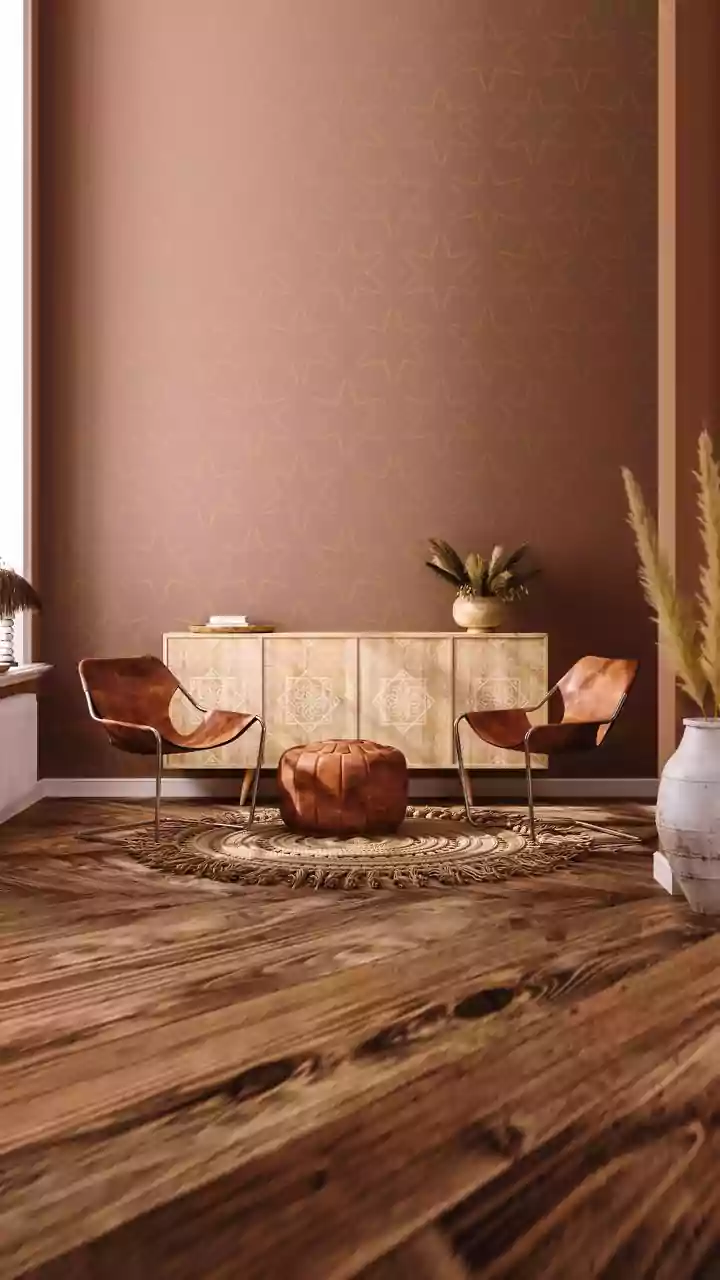
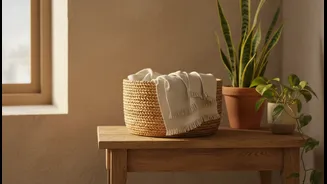
Woven textures are the perfect finishing touch, adding a layer of casual, often rustic or coastal charm. Materials like jute, sisal, rattan, and wicker are brilliant at adding visual interest without adding visual weight. A large jute or sisal area rug is one of the most effective ways to ground a living space, defining the area and adding a dose of earthy texture underfoot. Rattan or wicker can be introduced through accent chairs, headboards, pendant lights, or decorative baskets. These woven pieces add a handmade, artisanal quality that brings personality and depth, preventing the neutral scheme from looking too uniform or mass-produced.
Creating a Balanced Composition
The key to successfully using these textures is balance. It's about creating a harmonious blend rather than a chaotic mix. Start by choosing a dominant neutral colour and use different shades of it to create a subtle contrast. Then, begin to layer your textures. Pair the smooth, hard surface of a wooden table with the soft, yielding texture of linen upholstery. Place a rough, woven jute rug on sleek wooden floors. Contrast a chunky knit throw with a smooth leather armchair. It's this interplay between different materials—the rough with the smooth, the hard with the soft—that creates a dynamic and sophisticated interior. Each material highlights the unique qualities of the others, resulting in a space that is rich, layered, and deeply personal.