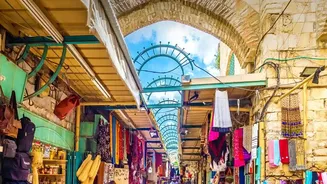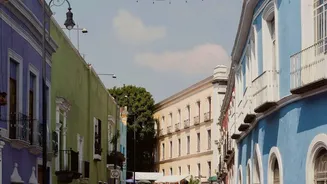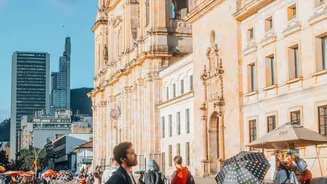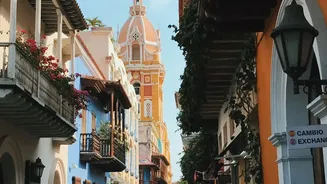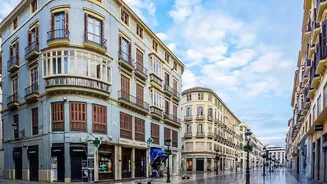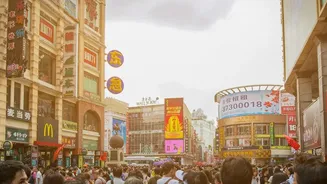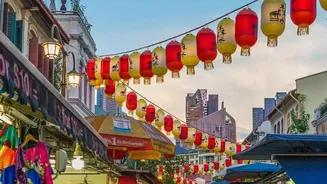





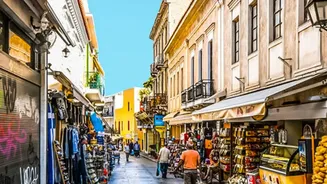
In a world built for speed, there is a unique magic in spaces designed for wandering. These are the world's great pedestrian-friendly markets, historic arteries of commerce where the best way to explore is to simply put one foot in front of the other.
Grand Bazaar, Istanbul, Turkey
Step into one of the oldest and largest covered markets in the world, a labyrinthine city-within-a-city that has been a hub of commerce since the 15th century. The Grand Bazaar, or Kapalıçarşı, was established shortly after the Ottoman conquest of Constantinople to invigorate the city's economy. Today, it's a sprawling network of 61 covered streets and over 4,000 shops. This vast, fully pedestrianised maze invites slow exploration. As you wander under its domed and vaulted ceilings, you'll find yourself immersed in a world of dazzling lanterns, intricate carpets, fragrant spices, and gleaming metalwork. The bazaar was designed with secure, lockable halls called 'bedesten' at its core for the most valuable goods, with workshops and stalls radiating outwards. This centuries-old logic still defines the experience, making a stroll through its lanes feel like walking through living history.
Khan el-Khalili, Cairo, Egypt
In the heart of Islamic Cairo lies Khan el-Khalili, a souk that has been buzzing with activity since its founding in 1382. Originally a caravanserai—a roadside inn for travelling merchants—it grew into a vital centre for trade. This open-air bazaar is a sensory overload in the best possible way. The narrow, crowded lanes are entirely walkable, leading you past workshops where artisans hammer intricate designs into copper, past stalls overflowing with spices, and into shops glittering with gold and silver. It’s a place where the art of bargaining is a living tradition. Beyond the main tourist-facing lanes, the market extends into areas where Cairenes shop for everyday goods. For a truly authentic experience, visitors can find respite in historic coffeehouses like El Fishawy, which has been operating for over two centuries, once a haunt for intellectuals and writers.
The Shambles, York, United Kingdom
Arguably the best-preserved medieval street in the world, the Shambles in York transports you back in time. Mentioned in the Domesday Book of 1086, its character is defined by timber-framed buildings dating back to the 14th and 15th centuries. The street is famously narrow; in some parts, you can stretch your arms and touch the buildings on both sides. This design was intentional. The overhanging upper floors sheltered the 'wattle and daub' walls and, more importantly, the butchers' wares below. The Shambles was historically the street of butchers, and you can still see the old meat-hooks on some storefronts. The raised pavements on either side formed a channel to wash away blood and offal. Today, the butchers are mostly gone, replaced by quirky independent shops and cafes, but its unique, pedestrian-only layout remains a captivating window into a bygone era.
Nishiki Market, Kyoto, Japan
Known as 'Kyoto's Kitchen', Nishiki Market is a narrow, fivendock long covered shopping street with over 400 years of history. Its origins as a fish market date back to 1615, when it was officially recognized by the shogunate, leveraging the area's naturally cold groundwater to keep seafood fresh before refrigeration. Today, this vibrant pedestrian arcade is home to more than 100 shops and stalls, many of which have been run by the same families for generations. As you walk its 400nd metre length, you'll encounter a dazzling array of local foods: Kyotondstyle pickles (tsukemono), fresh tofu skin (yuba), rolled omelettes (dashimaki tamago), and seasonal sweets. While it's a major attraction, Nishiki remains a working market where local chefs and residents do their daily shopping, offering an authentic taste of Kyoto's rich culinary culture.