






A startling new report from Oxfam claims the world’s wealthiest are not just causing climate change, but are also profiting from the destruction it leaves behind. This creates a perverse financial incentive to perpetuate the crisis.
The 'Destroy and Rebuild' Cycle
In a report titled
'Disaster Divide', released ahead of the UN's COP31 climate summit, Oxfam outlines what it calls a 'vicious cycle of injustice'. The core of the argument is that a small group of super-rich individuals and corporations are playing both sides of the climate crisis. First, they profit from investments in high-polluting industries like fossil fuels, which are the primary drivers of climate change. Then, as climate-related disasters like floods, fires, and storms intensify, they profit again by investing in the booming 'adaptation economy'. This includes companies involved in disaster preparedness, recovery, and reconstruction, a market projected to grow from $70 billion to $92 billion annually by 2029. Amitabh Behar, Oxfam International's Executive Director, summarised the situation starkly: 'The ultra-rich are setting the planet on fire and then charging the rest of us for the extinguishers'.
Identifying the Profiteers
Oxfam’s report does not just speak in generalities; it created a 'Destroy & Rebuild Index' identifying 217 specific corporations. These companies are either major polluters or are involved in the business of reconstruction and disaster response, including services like insurance, loans, flood barriers, and firefighting equipment. The analysis points a finger at major asset management firms that advise wealthy investors, noting that two of the world's largest, BlackRock and Vanguard, have investments in 92 percent of the corporations on the index, with their combined stakes totaling more than $1 trillion. These indexed companies are highly profitable, making an average of $1.8 billion in 2025 and paying out over $1 billion in dividends to shareholders, further enriching the investors who fuel the cycle.
An Engine of Extreme Inequality
The report underscores that this is fundamentally a crisis of inequality. The richest 0.1 percent of the world's population—a group of about 8 million people—are responsible for more carbon pollution than the poorest 3.5 billion people combined. Yet the consequences fall hardest on those who have done the least to cause the problem. Oxfam calculates that one year of emissions from the richest 1 percent will eventually cause 1.9 million excess heat-related deaths. An estimated 78 percent of these deaths will occur in low and lower-middle-income countries, which are often in the Global South and are more vulnerable to extreme weather. While the wealthy can afford to shield themselves with private insurance, high-tech bunkers, or by relocating, poorer communities face destroyed homes, lost harvests, and deepening debt. The result is that deaths from flooding are seven times higher in more unequal countries.
India's High Stakes in the Climate Crisis
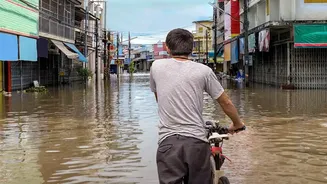
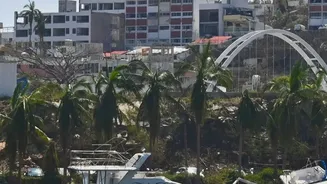
For India, these global dynamics have severe local consequences. The nation is exceptionally vulnerable to the impacts of climate change, from recurring super-cyclones on its coasts and devastating floods in states like Assam and Kerala, to deadly heatwaves across the northern plains. This profitable cycle means that the global economic forces accelerating these disasters are the same ones benefiting from the subsequent rebuilding efforts. As extreme weather events become more frequent and intense, the demand for reconstruction and adaptation services will soar, potentially creating a market from which the same global investors and corporations, identified by Oxfam, stand to gain. This places a disproportionate economic burden on the nation and its citizens, who are forced to pay for recovery from a crisis they did little to create, further entrenching global and local inequality.
A Call for Systemic Change
Oxfam argues that simply managing the disasters is not enough. The organisation is calling on governments to break this profitable cycle by implementing systemic changes. Key among their recommendations is making rich polluters pay for the damage they cause. This includes proposals for permanent wealth and income taxes, a permanent tax on the excess profits of fossil fuel corporations, and punitive taxes on high-emitting luxury items like private jets. Furthermore, Oxfam urges an end to profiteering from climate disasters by curbing corporate power in emergency response and reconstruction. They advocate for a radical increase in climate finance for developing nations, prioritising grants over loans that push already vulnerable countries deeper into debt. The core message is that addressing the climate crisis is impossible without also tackling the extreme inequality that drives it.