

The Heart of the Matter
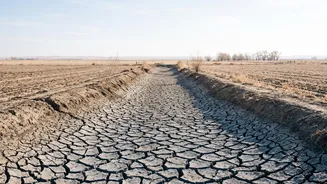
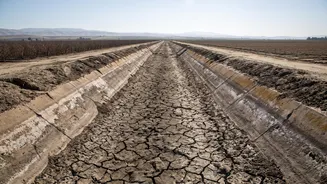
The Indus River System Authority (IRSA), which manages Pakistan's water distribution, has projected a 22% water shortage for the crucial Rabi crop season. This period, running from October 2026 to March 2027, is when essential winter crops are grown.
The advisory committee, after reviewing expected river inflows and reservoir levels, determined that total water availability will be significantly less than what the provinces require. Total anticipated water availability is around 29.18 million acre-feet (MAF), based on projected inflows of 21.268 MAF, falling well short of the country's needs. This calculation sets the stage for a season of careful and contentious water management.
Why is this Happening?
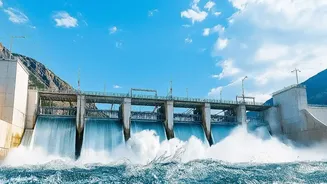
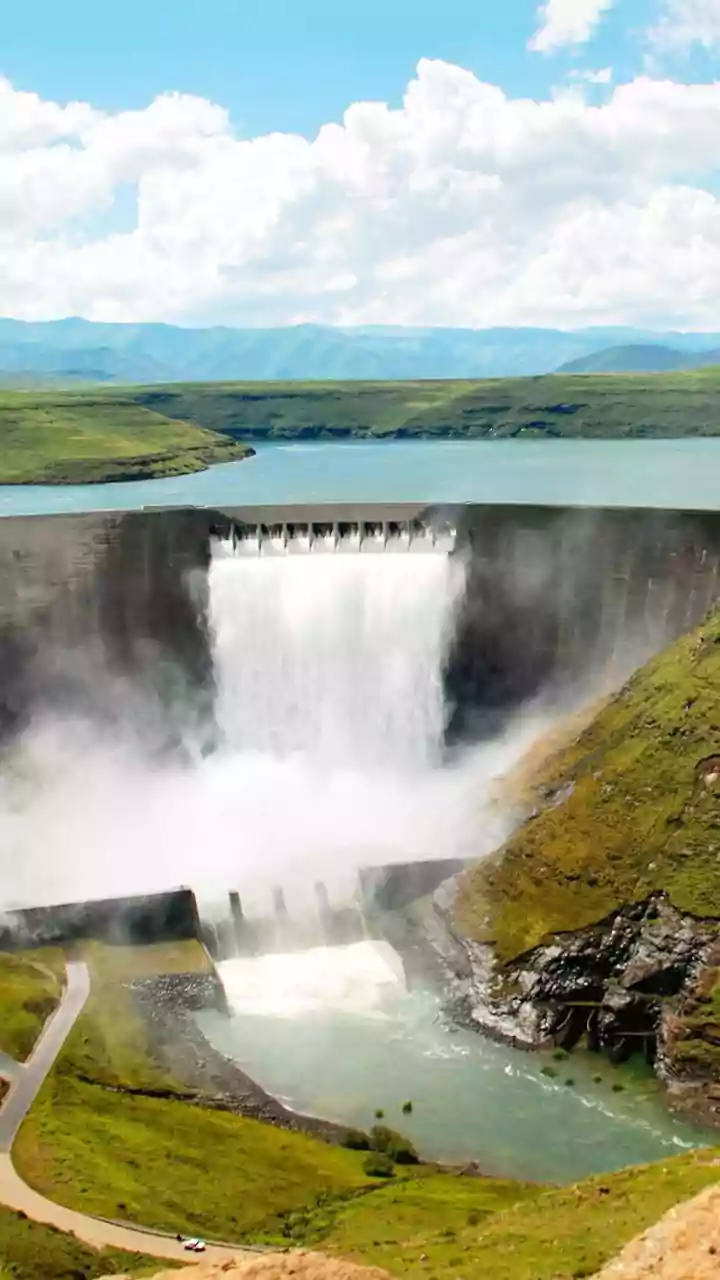
The shortfall is not a sudden event but the result of several converging factors. A primary cause is lower-than-expected water inflows during the preceding Kharif (summer) season, which were down 8% from projections and 22% from the previous year. This has left the country's major reservoirs, Tarbela and Mangla, with significantly less water carried over for the Rabi season. On September 30, total storage was 9.343 MAF, well below the 13.214 MAF available at the same time last year and also below the ten-year average. Additionally, IRSA has pointed to delays in the completion of key infrastructure projects on the Tarbela dam, which have aggravated shortages by limiting storage capacity.
The Impact on the Ground
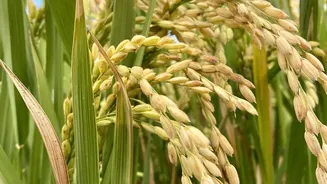
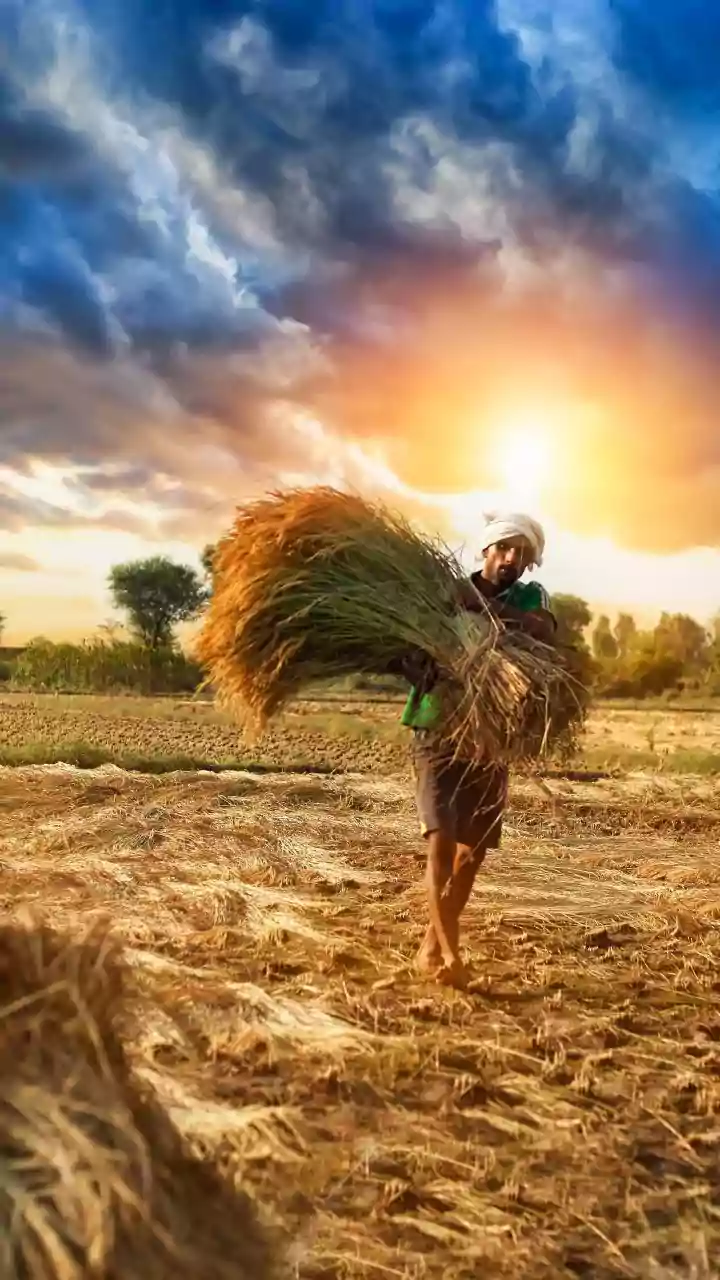
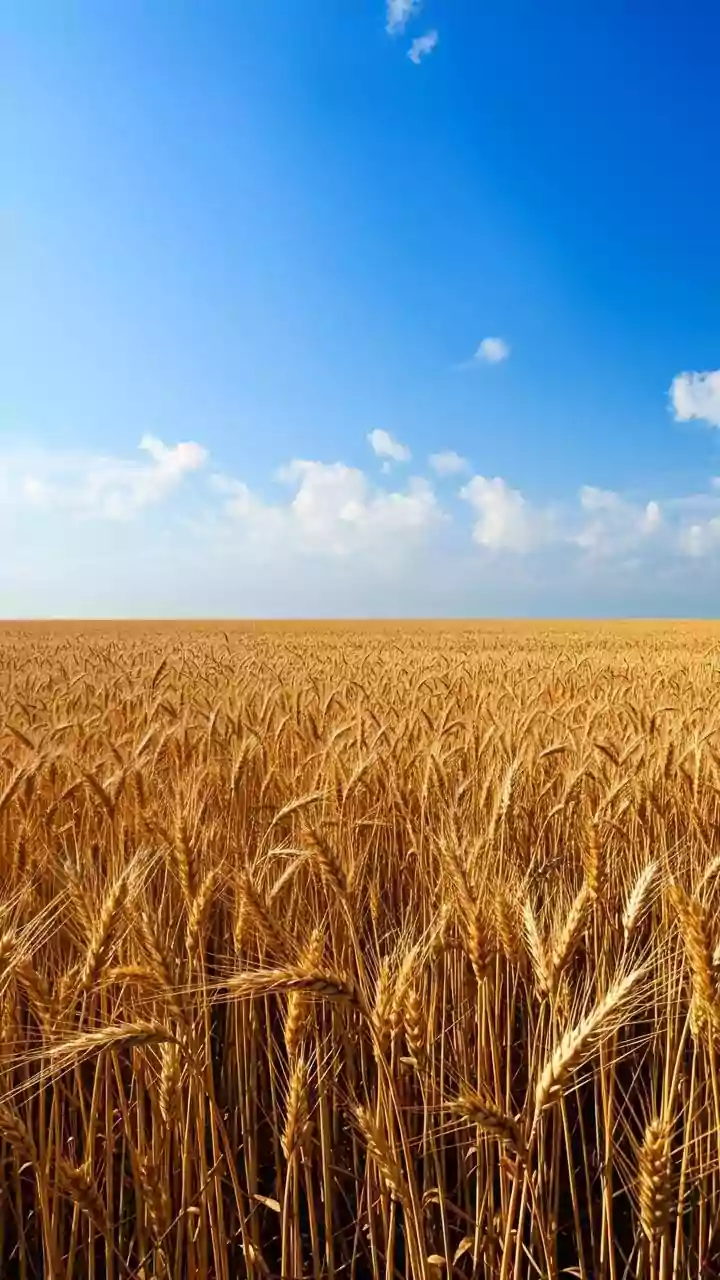
The 22% shortage is not distributed evenly. Under the current water-sharing formula, the provinces of Punjab and Sindh will bear the entire deficit, while Khyber Pakhtunkhwa and Balochistan are exempted from cuts. This places immense pressure on Pakistan's agricultural heartland. The Rabi season is dominated by the wheat crop, a staple food for the nation. A significant water shortage during this critical growing period threatens to reduce crop yields, impacting the livelihoods of millions of farmers and raising serious concerns about national food security. This comes after the previous season's wheat harvest already fell more than 2 million tons short of its target, necessitating imports.
A Ripple Effect on the Economy
The consequences of a poor harvest extend far beyond the farm. Agriculture is a cornerstone of Pakistan's economy, and a shortfall in wheat production can have a domino effect. It can lead to increased food price inflation, which was already running high for flour in September. Furthermore, a lower-than-expected domestic harvest may force the government to increase wheat imports to stabilize supply and prices, putting additional strain on the country's foreign currency reserves. Last season's shortfall already prompted the government to order one million tonnes of wheat imports, a situation that could be repeated or worsened if the current Rabi season underperforms.