






The Search for an Electric Soul
For years, the main goals for electric vehicles were clear: maximize range, reduce charging times, and offer blistering straight-line speed. While successful, this focus often left behind the sensory elements that make driving enjoyable for many—the rumble
of an engine, the satisfying kick of a gear change, and the auditory feedback that connects a driver to the machine. This created a gap in the market for EVs that don't just perform well, but are also genuinely fun to drive. Hyundai's high-performance N division decided to tackle this problem head-on, not by chasing faster lap times, but by prioritizing driver enjoyment and emotional connection.
Simulating the Mechanical Feel
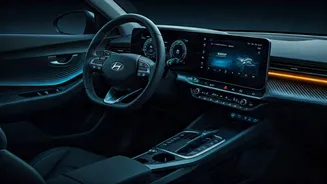
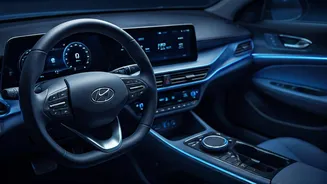
The centerpiece of Hyundai’s new approach is a system called N e-Shift. This technology brilliantly simulates the experience of driving a car with an eight-speed dual-clutch transmission (DCT). Instead of the single, continuous wave of acceleration typical of an EV, N e-Shift intelligently controls the motor's torque to create the distinct sensation of gears shifting up and down. It even replicates the subtle jolt you feel during a rapid gear change in a performance car, complete with a virtual rev-limiter you can hit if you forget to use the paddle shifters. While activating this mode can make the car a fraction of a second slower in all-out acceleration, the trade-off is a far more interactive and engaging driving experience that many drivers have praised.
Creating the Sound of Speed
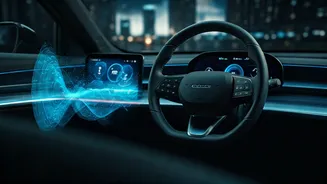
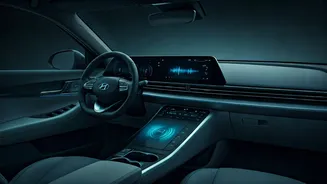
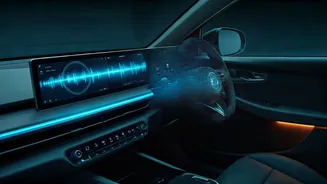
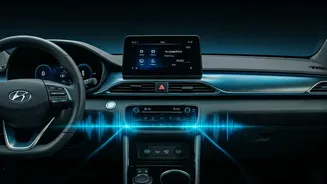
Paired with the physical sensations of N e-Shift is an advanced sound system called N Active Sound+. This isn't just a single fake engine noise; it's a sophisticated audio experience delivered through a 10-speaker system, with eight inside the cabin and two outside. It offers three distinct sound profiles a driver can choose from. The 'Ignition' mode mimics the pops and growls of Hyundai's own turbocharged N performance cars. 'Evolution' offers a more futuristic, high-performance electric sound, while 'Supersonic' is inspired by the roar of a jet fighter. The system is designed to give drivers an acoustic reference for the power they are using, a crucial piece of feedback that has been missing from silent EVs.
More Than Just Special Effects
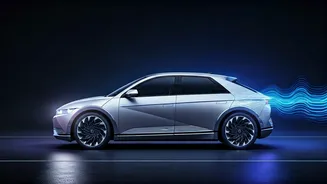
While the simulated sounds and shifts are the most talked-about features, they are part of a comprehensive performance package in Hyundai's N models like the Ioniq 5 N. These aren't just standard EVs with sound effects. The cars feature significant hardware upgrades, including a more powerful battery, advanced cooling systems for track endurance, a stiffer and lower chassis, and a sophisticated all-wheel-drive system that allows the driver to adjust the power split between the front and rear wheels. This holistic approach ensures that the fun-focused technology is built on a foundation of genuine high-performance engineering, creating a car that is both playful and seriously capable.
A Trend That's Catching On
What might have once been dismissed as a gimmick has quickly become a trendsetter in the EV industry. The positive reception to Hyundai's driver-focused tech has prompted other major automakers to take notice. Brands like Porsche, which had previously criticized the idea of fake sounds, are now introducing similar simulated shifting and sound features in their own electric models. Hyundai isn't standing still, either. The company’s head of R&D, Manfred Harrer, has confirmed that the next generation of this technology is already in development for a new platform called the Integrated Modular Architecture (IMA). Future versions aim to be even more realistic, with plans to incorporate simulated engine idling, exhaust backfiring, and even physical vibrations within the car to further enhance the experience.