

A Grim Warning from Nepal
In late August 2026, a catastrophic flash flood tore through central Nepal, causing immense destruction and loss of life across several districts. Preliminary findings, detailed in reports from multiple scientific bodies, suggest the disaster was triggered
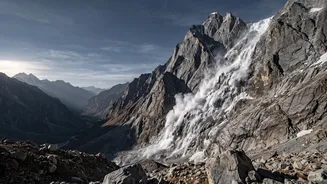
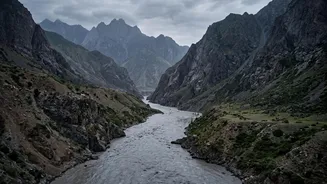
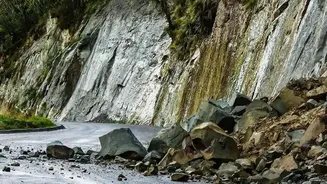
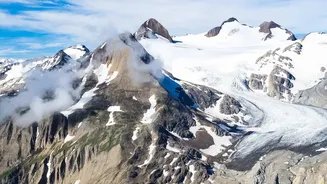
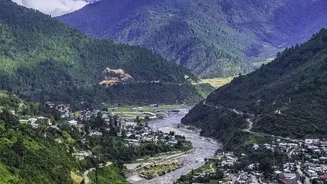
by a massive ice avalanche from a glacier near the Nepal-China border. The collapse was so powerful it registered as a magnitude 5.2 seismic event. The resulting torrent of water, rock, and debris moved with terrifying speed, overwhelming river valleys, sweeping away homes, destroying critical infrastructure like roads and hydropower projects, and leaving thousands missing. The floodwaters reportedly caused the Trishuli river to rise by nine meters in just 30 minutes, giving communities downstream no time to evacuate.
Beyond a Single Flood
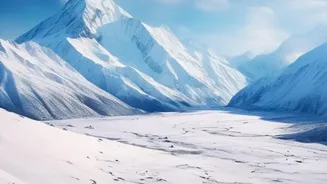
While the scale of this specific disaster is shocking, scientists are clear that it is not an isolated incident. Instead, it represents what many are calling the 'new normal' in the Himalayas. The Hindu Kush Himalaya region, often called the 'Third Pole' for holding the largest volume of ice outside the polar regions, is warming significantly faster than the global average. This accelerated warming is destabilizing the entire mountain ecosystem. Research shows that glacier ice loss rates have doubled since the year 2000, creating a cascade of risks. Events like this are becoming more frequent and intense, serving as a brutal illustration of what climate scientists have been warning about for years.
The Science of a Ticking Time Bomb
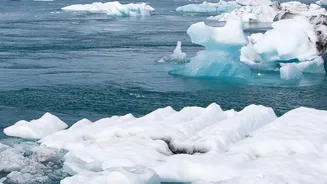
The primary driver of these disasters is the rapid melting of glaciers. This melting contributes to two major types of hazards. The first is the growth of glacial lakes. As glaciers retreat, they leave behind vast lakes, often dammed by unstable walls of earth and rock called moraines. These natural dams can fail, leading to a Glacial Lake Outburst Flood (GLOF), a phenomenon that has occurred repeatedly in Nepal. The second, seen in the August 2026 event, is a glacier collapse, where huge chunks of ice and rock break off destabilized slopes. Thawing permafrost—the permanently frozen ground that acts like glue holding mountain slopes together—further weakens the landscape, making such collapses more likely.
India's Shared Vulnerability
The border with Nepal does not stop these environmental threats. India's Himalayan states, including Uttarakhand, Himachal Pradesh, Sikkim, and Arunachal Pradesh, share the same fragile geology and are exposed to identical risks. The 2021 Chamoli disaster in Uttarakhand was a chilling precedent, also triggered by a massive rock and ice avalanche. The science is clear: the same forces at play in Nepal are active across the Indian Himalayas. With billions of people downstream depending on the ten major river systems fed by these glaciers, the consequences of inaction extend far beyond the mountains themselves. Experts have identified that people in India, alongside those in Pakistan and China, face the highest potential for impacts from GLOFs.
A Call for Urgent Cooperation
The recent Nepal disaster tragically highlighted fatal gaps in preparedness. Early warning systems were swept away before they could transmit alerts. Experts and officials agree that mitigating these growing risks requires a massive, coordinated effort. This includes enhanced monitoring of glaciers and unstable slopes, better data sharing between countries like China, Nepal, and India, and the development of robust early-warning systems that can buy precious evacuation time for vulnerable communities. Following previous floods, Nepal had requested a real-time data-sharing agreement with China, but it had not been finalized before this latest catastrophe struck, underscoring the bureaucratic hurdles that compound the natural dangers. As development brings more people and infrastructure into these vulnerable river valleys, the urgency for proactive, cross-border risk reduction has never been greater.