


The Rise of 'Analogue' Paneer
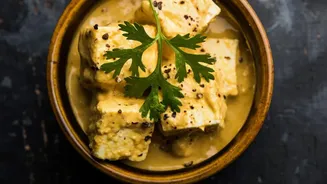
The paneer you're buying might not be paneer at all. Driven by high demand and a desire to cut costs, some producers create what's known as 'analogue' or 'synthetic' paneer. This imitation product is designed to look and feel like dairy paneer but is made
from a mix of cheaper ingredients. Instead of being made by curdling fresh milk, these substitutes are often produced using skimmed milk powder, vegetable fats like palm oil, starch, and various chemical emulsifiers and stabilisers. This allows for a product that is significantly cheaper to make and has a longer shelf life, but at a considerable cost to quality, nutrition, and consumer trust.
What's Really Hiding in Fake Paneer?
The ingredients in adulterated paneer range from nutritionally empty fillers to actively harmful substances. Starch and flour are commonly used to add bulk and weight, significantly reducing the protein content you expect from genuine paneer. To mimic the richness of milk fat, manufacturers often use vegetable oils and hydrogenated fats (vanaspati), which can introduce unhealthy trans fats. Most alarmingly, some illicit operations use toxic materials like detergents, urea, and chemical whiteners to create a product that looks clean and white. In some cases, formalin, a carcinogenic preservative, has been found, posing severe long-term health risks.
A Threat to Health and Wallets
Consuming adulterated paneer is more than just a culinary disappointment; it's a public health hazard. In the short term, it can lead to digestive issues, stomach pain, vomiting, and diarrhoea. Over the long term, regular consumption of paneer containing chemicals like formalin and other toxins can put a strain on the liver and kidneys, potentially leading to organ damage and an increased risk of cancer. Furthermore, since these substitutes lack the protein and calcium of real paneer, consumers are not getting the nutritional benefits they paid for, making it a form of dietary fraud.
How to Spot an Imposter
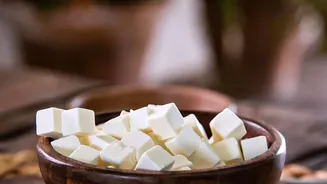
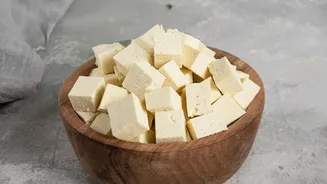
While lab testing is the only definitive way to confirm purity, you can perform several simple tests at home to identify likely fakes. First, check the texture. Real paneer is soft and crumbles easily when pressed, whereas fake paneer often feels rubbery, dense, or unnaturally smooth. Second, conduct a taste and smell test. Pure paneer has a mild, milky aroma and flavour; a chemical or soapy smell is a major red flag. An oily or bland taste also suggests it might be made from vegetable fats. Third, try boiling a small piece in water. If it breaks apart, becomes chewy like rubber, or releases a cloudy, oily film, it's likely adulterated.
The Iodine Test for Starch
One of the most common adulterants is starch. To test for it, boil a small cube of paneer in a little water for a few minutes. Let it cool, then add a couple of drops of iodine tincture, which is available at most chemists. If the water or paneer turns blue or black, it confirms the presence of starch. Real, unadulterated paneer will not change colour. This simple test is a powerful way to guard against one of the most widespread forms of paneer adulteration.
Your Rights as a Vigilant Consumer
Food safety authorities like the FSSAI are aware of this issue and conduct enforcement drives against adulterated dairy products. As a consumer, your first line of defense is vigilance. Buy from trusted brands and local vendors you know and have a good reputation. If you purchase packaged paneer, always check the FSSAI logo and read the ingredients list; terms like 'vegetable oil' or 'milk solids' instead of just 'milk' are warning signs. If a price seems too good to be true, it probably is. If you suspect a product is adulterated, you have the right to report it to your local food safety authority.