

Loktak Lake, Manipur: The Only Floating National Park
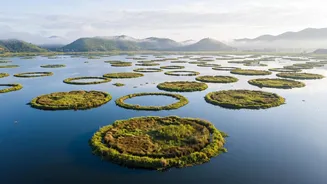
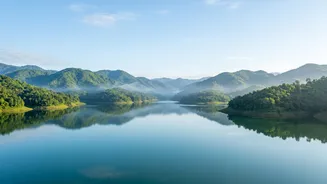
Loktak Lake is not just the largest freshwater lake in the Northeast; it’s a world unto itself. Its most remarkable feature is the presence of 'phumdis'—heterogeneous masses of vegetation, soil, and organic matter that float on the surface. These aren't
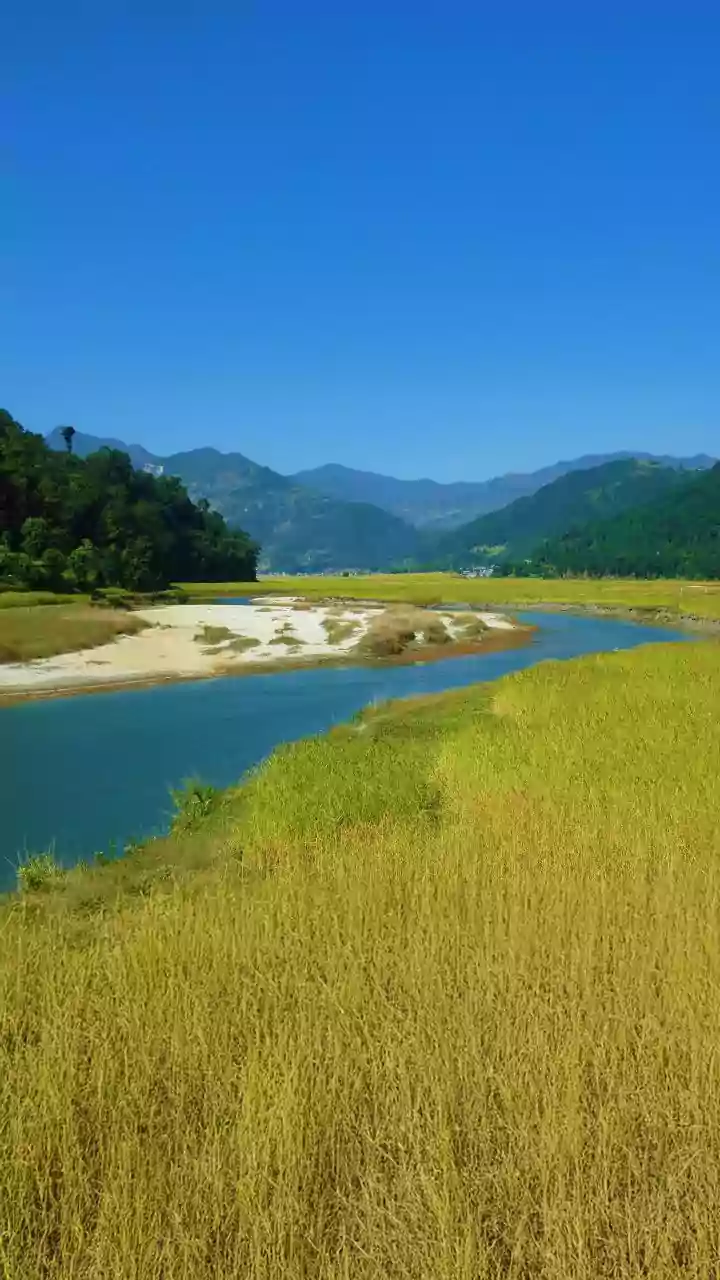
just patches of weed; they are solid enough to support entire communities of fisherfolk who live in huts built upon them. The largest of these phumdis, covering 40 square kilometres, hosts the Keibul Lamjao National Park, the only floating national park in the world. This extraordinary sanctuary is the last natural refuge for the endangered Sangai, or brow-antlered deer, which has adapted to walk on the spongy, bobbing islands. Often called the 'lifeline of Manipur', the lake is a hub of biodiversity and a centre of local economy, providing water, food, and shelter.
Gurudongmar Lake, Sikkim: A Sacred, High-Altitude Wonder
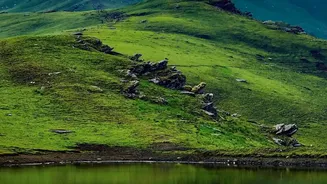
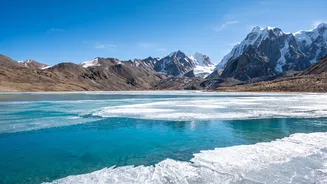
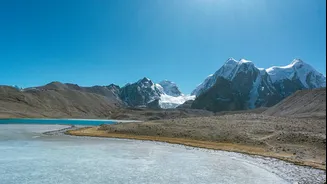
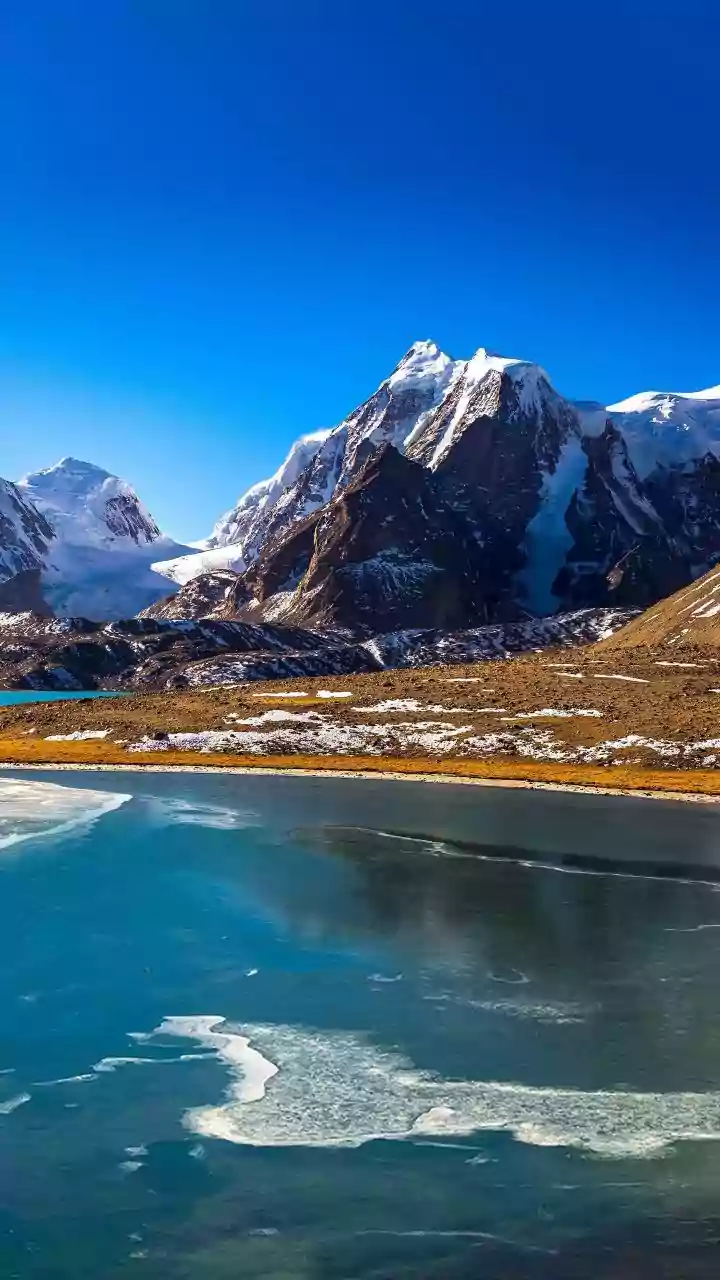
Perched at a breathtaking altitude of over 17,000 feet, Gurudongmar Lake is one of the highest lakes in the world. But its significance transcends its elevation. Revered by Buddhists, Sikhs, and Hindus, it is a place steeped in faith and folklore. Legend holds that when Guru Padmasambhava visited in the 8th century, local herders pleaded for a source of water in the harsh, frozen winter. The guru is said to have touched a portion of the lake, blessing it to remain unfrozen throughout the year, a phenomenon that continues to this day. Another tale attributes this miracle to Guru Nanak. Pilgrims visit this holy site to witness the unfrozen patch, collect its believed-to-be healing waters, and soak in the profound spiritual energy that emanates from its crystal-clear expanse, surrounded by barren, snow-dusted peaks.
Sangestar Tso, Arunachal Pradesh: A Lake Born from an Earthquake
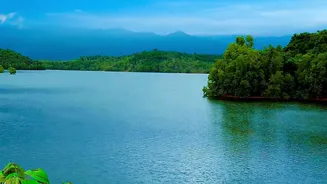
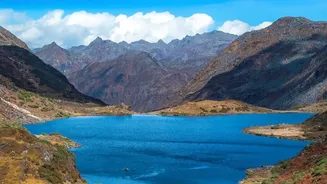
Popularly known as Madhuri Lake after a Bollywood film was shot here, Sangestar Tso in Tawang district has a dramatic origin story. This high-altitude lake, sitting at over 12,000 feet, was formed by a major earthquake in the 1970s. What was once a grazing pasture transformed overnight into a stunning body of water. The most hauntingly beautiful feature of the lake is the forest of dead tree trunks that still stand erect in its turquoise waters, silent witnesses to the land's submersion. Beyond its cinematic fame, the lake is a place of reverence for local Buddhists and a vital habitat for migratory birds. It represents the raw, dynamic power of the Himalayas, a landscape that is constantly being reshaped by nature itself.
Palak Dil, Mizoram: The Swallowing Lake of Legend
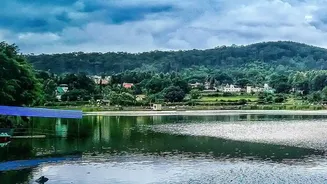
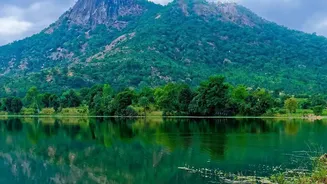
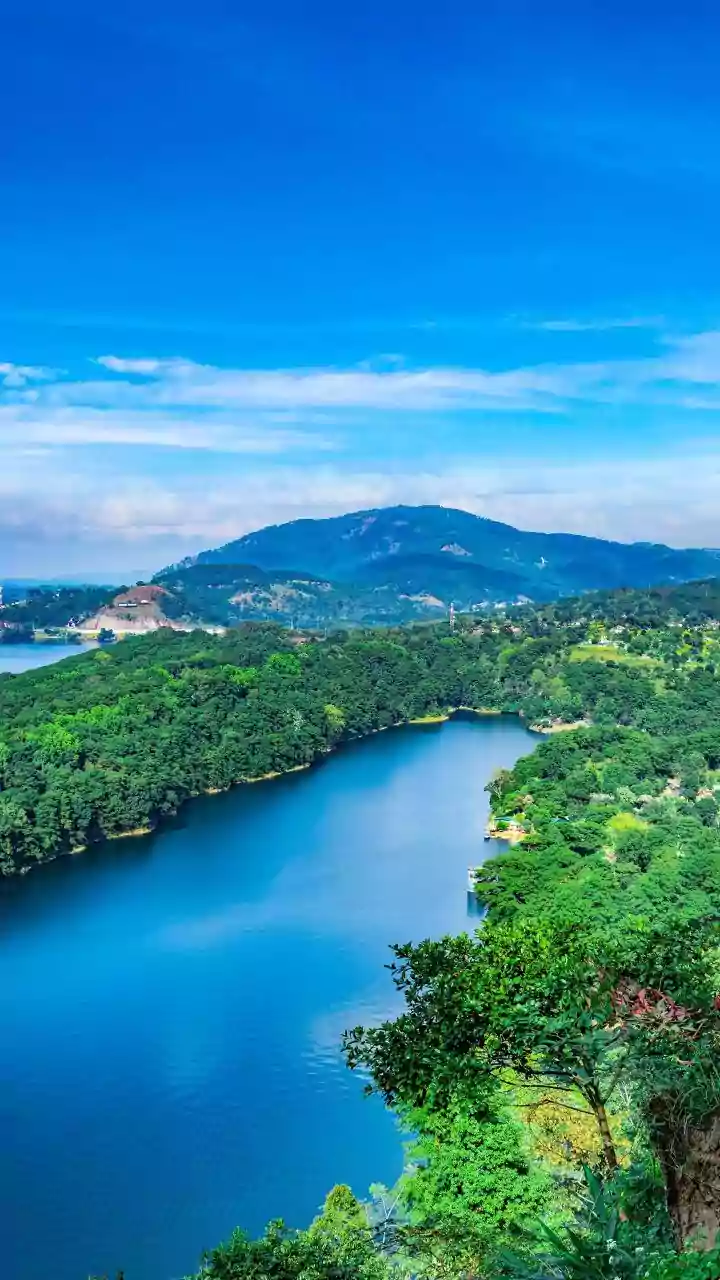
Palak Dil, the largest lake in Mizoram, is shrouded in myth. Its name in the local Mara language, 'Pala Tipo', translates to 'swallowing lake'. Folklore tells of a large village that once stood in its place, terrorised by a giant serpent that lived in a cave beneath a rock. According to one version of the legend, after villagers killed the serpent and distributed its meat, a widow who received the head was terrified to see its eyes still blinking in her cooking pot. She threw the pot out, and from it, water gushed forth, submerging the entire village and creating the lake. Another version claims the lake formed when the serpent's body was severed and its fall created a fissure that released the water. Today, this remote lake within the Palak Wildlife Sanctuary is a biodiversity hotspot, critical for both flora and fauna in the Indo-Burma region.