





The Pre-Dawn Trek
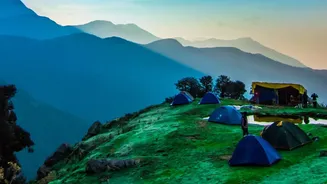
The main event in Dong Valley begins in complete darkness. To catch the first rays of the sun hitting Indian soil, travellers must start a trek around 2 or 3 AM. This isn't a casual stroll; it's a moderately challenging 8-kilometre hike that takes about
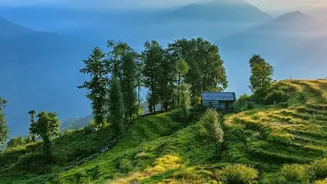
90 minutes to ascend to the viewpoint. The trail, often navigated with headlamps through pine forests, is an adventure in itself. The exertion of the climb makes the reward even sweeter as you stand at an elevation of 1,240 metres, waiting for the horizon to light up before the rest of the country has even stirred. This pre-dawn ritual is the quintessential Dong experience, blending physical effort with a profound sense of peace.
A Glimpse into Meyor and Mishmi Culture
The adventure in Dong extends far beyond its natural landscapes; it's deeply rooted in the culture of its people. The valley is home to the Meyor tribe, a small and lesser-known community with a unique heritage. A visit to Dong village, a settlement of just a handful of families, offers an intimate look at a traditional way of life. You can interact with the locals, learn about their customs, and appreciate the wooden architecture of their homes. The wider Anjaw district is also home to the Mishmi tribes, and respecting their culture is paramount for any visitor. Engaging with these communities provides a rich, human dimension to the rugged Himalayan backdrop.
Exploring Walong and its History
No trip to Dong is complete without exploring the nearby town of Walong, which serves as the administrative centre and base for the trek. Walong is not just a logistical hub; it is steeped in history. The area was the site of the Battle of Walong during the 1962 Sino-Indian War. A visit to the Walong War Memorial is a sobering and essential experience, paying tribute to the soldiers who defended the region. Beyond its history, the town and its surroundings offer breathtaking views of the Lohit River and opportunities to relax at natural hot springs, believed to have therapeutic properties.
The Call of the Wild and Scenic Beauty
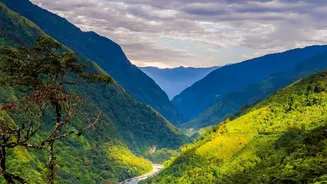
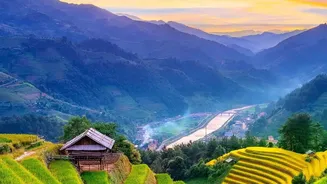
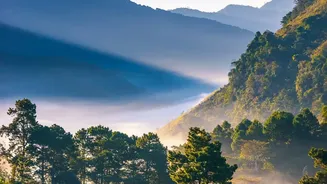
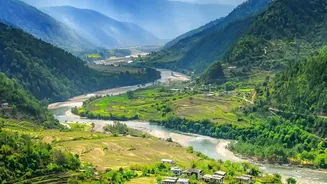
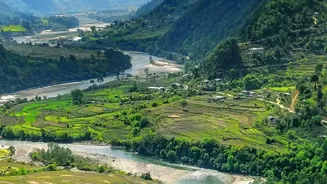
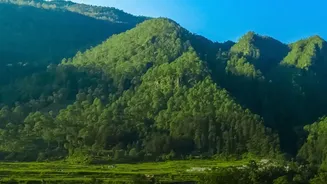
The entire region is an adventurer's playground. The journey from Tezu or Dibrugarh is an experience in itself, with roads winding through dramatic gorges alongside the Lohit River. The landscape is a stunning mix of towering pine trees, dense bamboo groves, and snow-capped peaks in the distance. For those looking to venture further, the nearby villages of Kibithu and Kaho, some of India's easternmost settlements, offer spectacular views and a sense of being at the very edge of the map. An iron-floored foot suspension bridge over the Lohit River adds another element of thrill and provides access to otherwise remote areas.
Planning Your Adventure
A trip to Dong Valley requires careful planning. Indian nationals need an Inner Line Permit (ILP) and, for the border areas like Anjaw, a Protected Area Permit (PAP) may also be required, which is often best arranged through a tour operator. The nearest airport is in Dibrugarh, Assam, from where it’s a multi-day road journey. Accommodation is basic, primarily consisting of homestays and government guesthouses in Walong. It is essential to carry cash, as the last reliable ATM is in Hayuliang, and to fuel up vehicles at the last petrol pump in Khupa. The best time to visit is from October to April, when the weather is clear and pleasant for trekking.