


The Glass of Water Rule
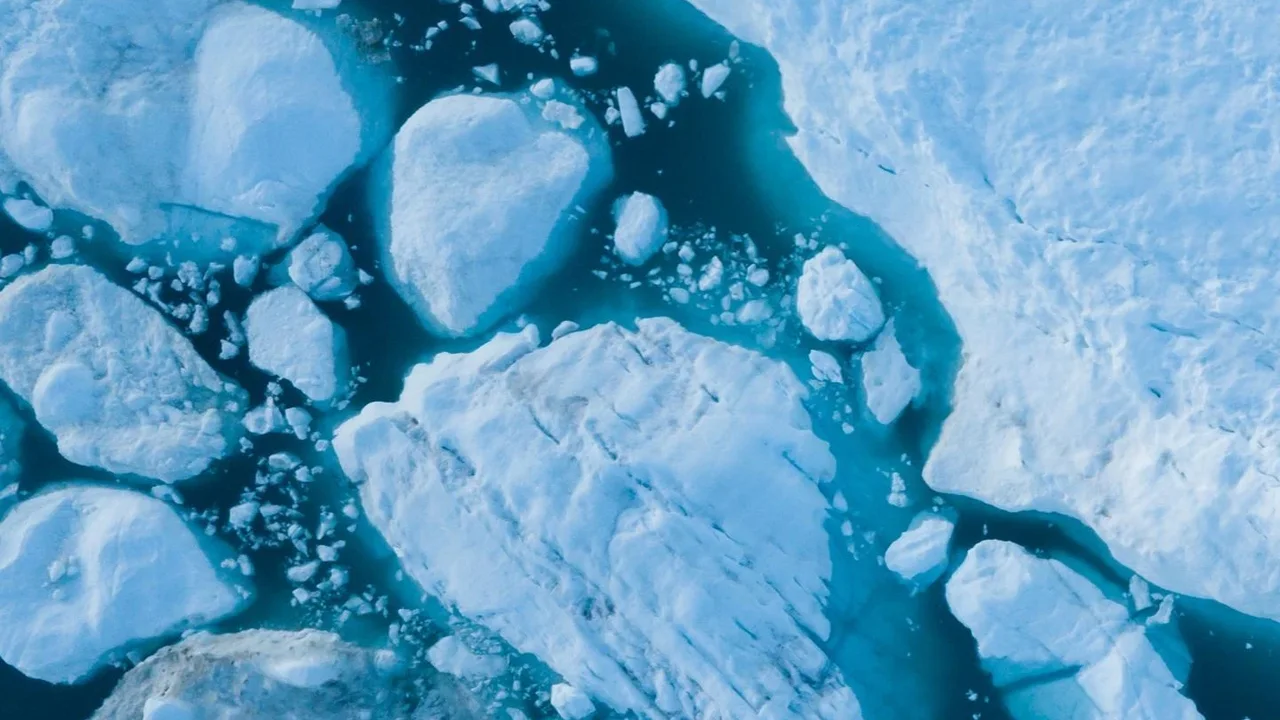
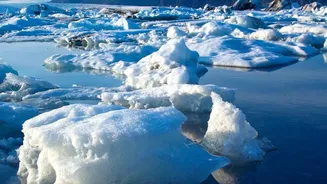
To understand the core issue, think of a glass of water with ice cubes in it. When those floating ice cubes melt, the water level doesn't rise. This is because the ice was already in the water, displacing a volume of liquid equal to its own weight. This is a simplified
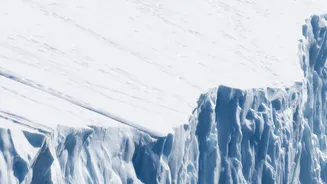
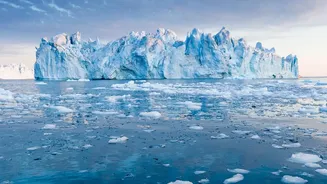
version of what happens with floating ice shelves, like the long 'tongue' of ice extending from the Petermann Glacier into the sea. Because it's already floating, its direct contribution to sea-level rise is minimal when it melts. In contrast, ice that sits on land—like the vast majority of the Greenland ice sheet—is not yet part of the ocean's volume. When this land-based ice melts and its water runs into the sea, or when a chunk of it slides into the ocean, it's like adding new water to the glass, causing the level to go up. This is the primary source of sea-level rise from ice melt.
Meet the Petermann Glacier
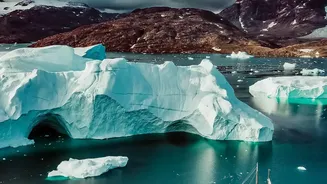
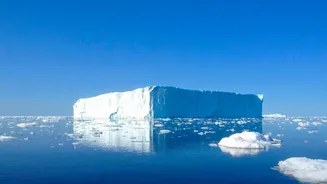
The Petermann Glacier in northwest Greenland is one of the largest and most significant glaciers on the island. It connects the massive Greenland ice sheet directly to the Arctic Ocean. A key feature is its floating ice tongue, a vast slab of ice that extends from the land and floats on the ocean's surface. In August 2026, this glacier captured headlines when a Manhattan-sized section of this tongue broke off, the largest such event for the glacier since 2012. The land-based portion of the Petermann system holds enough ice to raise global sea levels by about 38 centimetres if it were all to melt. This makes understanding its stability a top priority for climate scientists.
Why the Floating Ice Is a Critical Factor
If the melting of the floating ice tongue doesn't directly raise sea levels, why are scientists so concerned about it? The answer lies in its indirect role as a natural brake. An ice shelf or floating tongue acts as a buttress, pushing back against the land-based glacier behind it and slowing its flow towards the ocean. This buttressing effect is crucial for maintaining the stability of the entire glacier system. Islands and the shape of the fjord floor can act as 'pinning points' that help the floating ice anchor itself and hold back the immense pressure from the ice sheet upstream. The loss of this floating ice, therefore, is not about the immediate meltwater but about removing the obstacle that keeps a much larger volume of land ice in check.
The Uncorking Effect
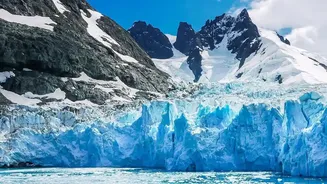
When the floating ice tongue thins, weakens, and breaks apart—a process known as calving—the buttressing force disappears. Scientists refer to this as the 'uncorking effect.' Without the ice shelf to slow it down, the land-based glacier behind it can accelerate its slide into the ocean. Studies of other ice shelf collapses, like the Larsen B in Antarctica, have shown that the glaciers feeding them sped up dramatically after the shelf was gone. This acceleration means more land-based ice is dumped into the ocean, where it then melts and contributes directly and significantly to sea-level rise. So, while the floating ice itself isn't the main culprit for rising seas, its collapse triggers a much larger and more dangerous contribution from the land.
A Cycle of Warming From Below
Much of the damage to Petermann's ice tongue is happening out of sight, deep beneath the surface. Warmer ocean water, flowing from the Atlantic, is circulating into the fjord and melting the floating ice from below. This process, called basal melting, is responsible for the vast majority of Petermann's recent mass loss. This creates a dangerous feedback loop: warmer ocean water melts the ice tongue, making it thinner and more prone to breaking. As it breaks, the land glacier behind it accelerates, which can, in turn, affect ocean dynamics. This is why scientists separate the two types of ice loss: one is a symptom (melting floating ice), and the other is the much larger consequence (accelerated land-ice melt and sea-level rise).