





The Billion-Dollar Power Bill
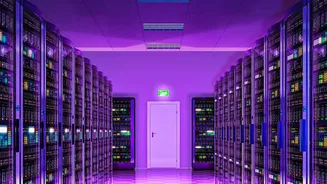
Data centres are the invisible engines of our digital lives, but they are incredibly power-hungry. Electricity isn't just one of their costs; it's often the single largest operational expense, accounting for a staggering 40-70% of the total budget. This
power is primarily consumed by two functions: running the servers themselves and, crucially, cooling them. The new wave of Artificial Intelligence (AI) workloads requires server racks that consume significantly more energy—up to 120 kW per rack compared to the traditional 7-10 kW—generating immense heat in the process. This makes managing power consumption not just an environmental concern but a fundamental question of economic viability.
Location, Location, (Power) Location
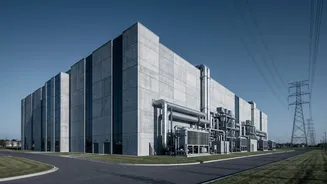
Historically, India's data centres have clustered around major metro hubs like Mumbai, Chennai, and Delhi-NCR, which together account for over 80% of operational capacity. Mumbai, in particular, has been the primary hub, accounting for 94% of new capacity added in the first half of 2026. However, the high industrial power tariffs in these areas are pushing developers to look further afield. A strategic geographic shift is underway, with emerging hubs in states like Telangana, Uttar Pradesh, Gujarat, and Odisha attracting significant investment. These states are competing fiercely, offering not just land but, more importantly, competitive power tariffs, subsidies, and single-window clearance systems to lure in the next generation of data centres.
The Green Energy Solution
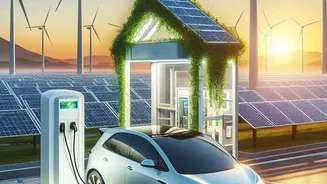
The intense pressure of high electricity costs is accelerating a crucial shift towards renewable energy. For data centre operators, securing long-term, fixed-price power purchase agreements (PPAs) with renewable energy producers offers a hedge against volatile grid prices. Major tech companies are now among the largest corporate buyers of renewable power in India. Research predicts that the renewable capacity needed just to serve India's data centres could double to 32.4 GW by 2030. State policies are reinforcing this trend, with some, like Andhra Pradesh, mandating that new data centres source as much as 70% of their power from green energy. This synergy between cost-saving and sustainability is driving massive investments in solar and wind power, directly linking the growth of digital infrastructure to India's green energy goals.
Innovating for Cooler, Cheaper Operations
Beyond just where to build and what power to use, cost pressures are forcing a revolution in data centre design itself. Traditional air-cooling systems are struggling to cope with the heat generated by high-density AI servers. As a result, the industry is rapidly moving towards advanced liquid cooling technologies, including direct-to-chip systems that are far more efficient. These systems can reduce cooling-related energy demand by 40-45%. This not only lowers the power bill but also reduces water consumption, a critical consideration in many water-stressed regions of India where data centres are being built. Startups and established tech firms alike are now focused on developing and deploying these next-generation cooling solutions.
Policy as a Powerful Magnet
State governments have recognized that proactive policies are a powerful tool in the battle for data centre investment. Several states now offer a compelling menu of incentives specifically designed to mitigate the power cost burden. These include exemptions on electricity duty, waivers on transmission and wheeling charges for renewable power, and direct subsidies on power tariffs. For example, Maharashtra's revised policy offers concessional electricity at just ₹1 per unit for large-scale projects. By granting data centres 'infrastructure status' and providing single-window clearance portals, states are not only reducing upfront costs but also signaling long-term support for a stable and cost-effective operating environment.