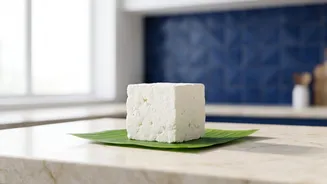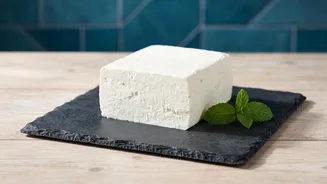





What is FSSAI’s New Proposal?
The Food Safety and Standards Authority of India (FSSAI) has introduced a draft amendment aimed at restricting the use of the term 'paneer' for products not made from milk. The proposal, part of the draft Food Safety and Standards (Prohibition and Restrictions
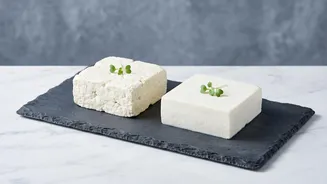
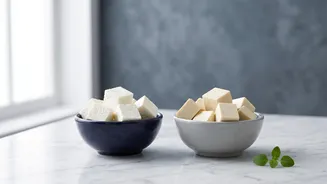
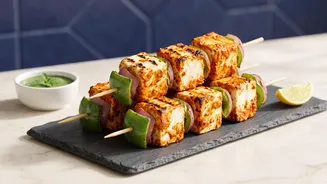
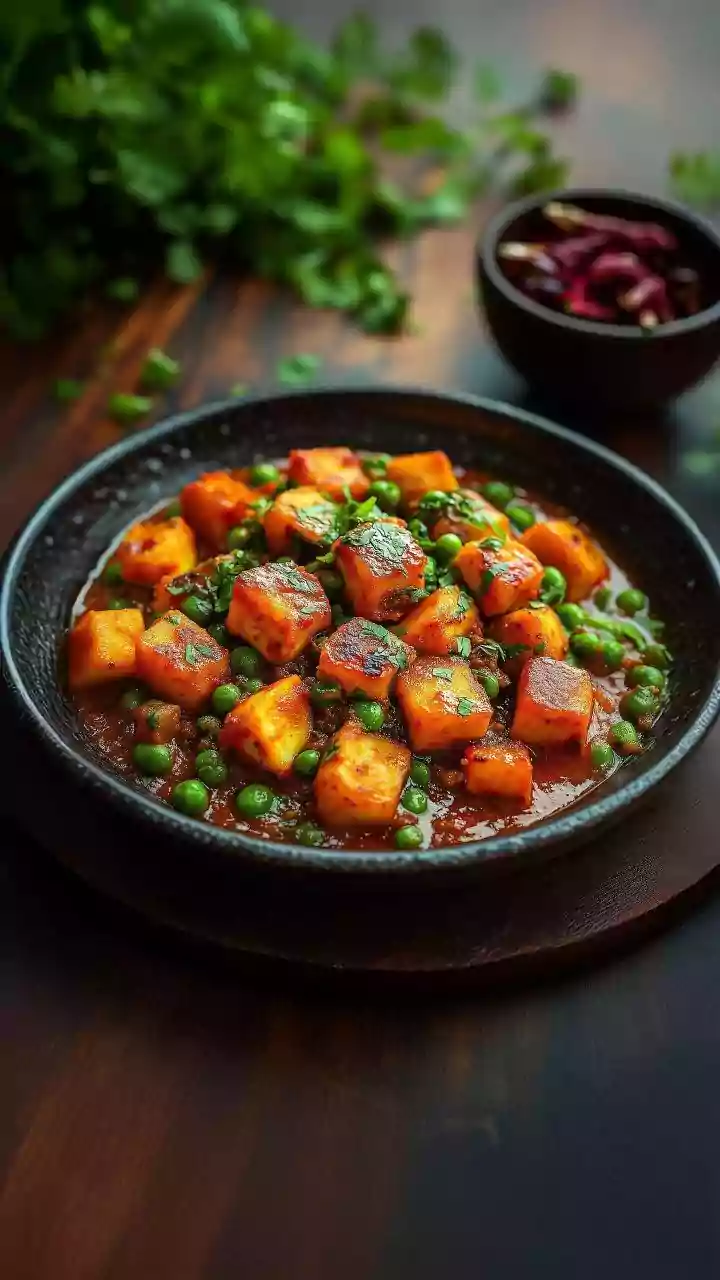
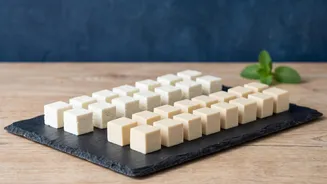
on Sales) Amendment Regulations, 2026, states that products made with non-milk ingredients cannot be labelled, marketed, or sold as 'paneer'. This rule would apply to what the FSSAI calls 'analogues in the dairy context'—products designed to look and feel like paneer but are made by replacing milk fat and protein with substitutes like vegetable oils, starches, and plant proteins. If the draft is finalised, manufacturers and even restaurants using these alternatives would have to stop using the word 'paneer' in their packaging and on menus.
The Drive for Consumer Clarity
The primary goal cited by FSSAI for this proposal is to prevent consumers from being misled. The regulator argues that when a customer buys 'paneer', they have a reasonable expectation of getting a traditional milk-based product. Using the same name for an analogue product, which may have a different nutritional profile, can cause confusion. This initiative is part of a broader push for accurate food labelling. The concern is that consumers might unknowingly purchase a product made from vegetable fat instead of milk, affecting their dietary choices and perceptions of quality. The proposal aims to ensure that the name on the package accurately reflects its contents, allowing for more informed purchasing decisions.
The Dairy Industry’s Perspective
The dairy industry largely supports this move, viewing it as a necessary step to protect the integrity of traditional dairy products. For years, dairy producers have voiced concerns over plant-based beverages being called 'milk' and now the same debate extends to paneer. They argue that analogue products are often cheaper substitutes that lack the nutritional benefits of real milk, such as natural protein and calcium. By allowing these products to use the 'paneer' label, they believe it not only misleads consumers but also harms the economic interests of millions of dairy farmers who are central to India's agricultural economy. The move is seen as protecting a culturally and economically significant product from imitation.
The Rise of Plant-Based Alternatives
On the other side of the debate are the manufacturers of plant-based foods. India has a growing market for dairy alternatives, projected to expand significantly as consumer awareness around health, dietary restrictions, and veganism increases. For these companies, using familiar terms like 'paneer' or 'milk' is a way to communicate the product's function to consumers. A 'tofu paneer' or 'almond milk' immediately tells the shopper how to use the product. The plant-based industry argues that such naming conventions, often with clear qualifiers like 'plant-based', increase transparency and consumer choice rather than create confusion. They contend that restrictive labelling could stifle innovation and create an unfair market where traditional industries are shielded from competition.
What This Means for Your Next Grocery Run
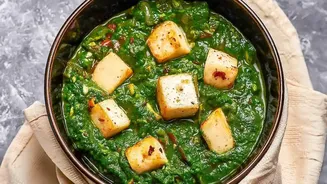
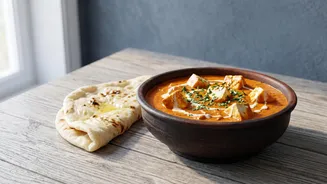
This is not a new fight. Similar debates have played out globally over terms like 'veggie burgers' and 'oat milk'. The FSSAI itself has previously acted on the use of the term 'milk' for plant-based beverages. Several states, including Maharashtra and Gujarat, had already started taking action against the sale of analogue paneer before this national proposal. For now, the regulation is a draft, and the FSSAI has invited suggestions from the public before making a final decision. If passed, you might start seeing new names on products that look like paneer but are made from different ingredients. Restaurants would also have to be more specific on their menus, clearly stating if the paneer in your palak paneer is dairy-based or an analogue.