




Beyond the 'God's Own Country' Tagline
The phrase “sustainable tourism” is often used, but in Kerala, it’s a deeply embedded practice. Since 2007, the state’s Responsible Tourism (RT) Mission has worked to ensure that tourism doesn't just benefit visitors, but actively uplifts local communities
and preserves the environment. This model goes beyond simply asking tourists to reuse towels. It’s a structured approach focusing on three core pillars: economic responsibility (creating jobs and buying local), social responsibility (respecting local culture and involving the community in decisions), and environmental responsibility (conserving natural resources). The goal has always been to make tourism a tool for grassroots development, turning villages into stakeholders, not just scenic backdrops.
The Ripple Effect of Community Empowerment
The true success of Kerala's model lies in its community-centric projects. Initiatives like PEPPER (People's Participation for Planning and Empowerment through Responsible Tourism) are designed to identify lesser-known destinations and develop them with the active involvement of local governing bodies and residents. This ensures that development is democratic and serves local interests. It translates into real-world benefits: homestays provide income for families, local artisans find new markets for their crafts, and farmers supply produce directly to hotels and resorts. This model also champions women's empowerment by creating and supporting women-led enterprises in the tourism sector, from running culinary classes to managing accommodation units. By keeping revenue within the community, the RT Mission helps reduce economic leakage and fosters more inclusive growth.
New Challenges on the Horizon
Despite its successes, the system isn't without its challenges. There's the risk of cultural experiences becoming overly commercialised, the dependency on seasonal tourist flows, and persistent issues like plastic waste management that even international observers have noted. Furthermore, balancing tourism growth with genuine sustainability is a constant struggle. However, these challenges are precisely why the model still matters. It provides a framework for addressing these problems head-on. The government's continued commitment is evident in new initiatives aimed at tackling modern concerns. Acknowledging the rise in solo and female travellers, the state is set to launch a 'Green Marshals' program in October 2026. These trained personnel will be deployed at major tourist spots to assist visitors, monitor safety, and oversee cleanliness and environmental protection, adding a crucial layer of support and accountability.
How You Can Participate as a Traveller
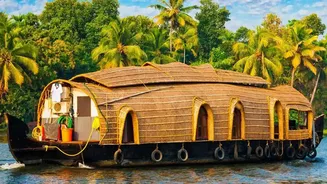
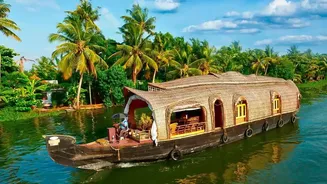
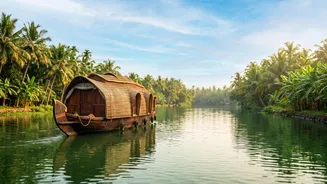
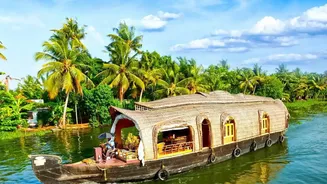
The responsibility for sustainable tourism doesn't just rest on the government; it's a partnership with travellers. You can actively participate in this vision by making conscious choices. Opt for eco-friendly homestays or resorts that practice waste management and water conservation. Engage in low-impact activities like nature walks, cycling tours, or bird watching instead of crowded, high-traffic events. When visiting the backwaters, consider a cruise of two or three nights to venture into less busy areas and spend time and money in more remote villages. Support the local economy directly by buying handicrafts from artisans and dining at local eateries. Simple acts, like carrying a reusable water bottle and cloth bag, can significantly reduce your plastic footprint and support the state’s efforts to become plastic-free.