






From E-commerce to AI
For the past few years, the air freight industry was largely defined by the relentless rise of cross-border e-commerce. Packages from online shopping giants filled cargo planes, creating a steady revenue stream for carriers. Now, that pillar of growth
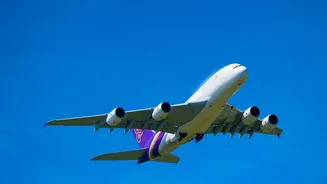
is giving way to a new king: artificial intelligence. Airlines across Asia are strategically reorienting their cargo operations to serve the booming demand for AI hardware. This isn't just a minor adjustment; it's a fundamental shift in what's driving the air cargo market. The demand for AI chips, server racks, and data center components has become the primary engine of growth, replacing the parcel boom. This transition is partly accelerated by new trade policies in the US and Europe that have dampened the flow of low-value e-commerce goods, making the high-value tech sector even more attractive.
The Perfect Cargo
Semiconductors and server components are, in many ways, the ideal cargo for air freight. They are small, lightweight, and carry an extremely high value. More importantly, they are incredibly time-sensitive. The global race to build AI infrastructure means that multi-billion dollar data center projects are planned on tight schedules. A delay of a few weeks waiting for a container ship could have massive financial consequences. Air transport offers the speed and reliability needed to keep these complex supply chains moving. This urgency makes shippers, primarily major technology companies, less sensitive to price, allowing airlines to command premium rates for carrying these precious components. This has provided a welcome windfall, helping carriers offset volatile costs like jet fuel.
Asia's Airlines Lead the Charge
Airlines based in Asia's technology manufacturing hubs are uniquely positioned to capitalize on this trend. Korean Air has emerged as a clear leader, reporting a staggering 46% jump in cargo revenue in the second quarter of 2026, driven almost entirely by AI-related shipments. Taiwanese carriers like EVA Air and China Airlines have seen their cargo revenues surge to three-year highs. EVA Air noted that AI server-related goods now account for 40% to 50% of its total air freight from Taiwan to the United States. Similarly, Cathay Pacific has identified AI components and high-tech electronics as key drivers of its robust cargo business. These airlines aren't just passively accepting bookings; they are actively investing in new freighter aircraft and developing specialized software to handle and secure the sensitive, high-value hardware.
A Sustainable, Long-Term Bet
Unlike the seasonal fluctuations of consumer e-commerce, the demand for AI hardware is underpinned by long-term investment cycles. Airlines report that orders for advanced chips and processors are already booked out for the next two to three years. This provides a level of predictability and stability that the cargo industry rarely enjoys. In response, carriers are redrawing their flight maps, adding capacity and re-routing flights to connect key semiconductor manufacturing centers in places like Taiwan, South Korea, and Southeast Asia with data center construction hotspots in North America and Europe. Airports in the region are also feeling the impact, with hubs like Taiwan's Taipei International Airport reportedly reaching capacity due to the surge in tech shipments.