

The Allure of the Peel
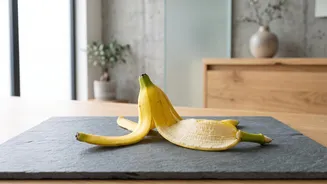
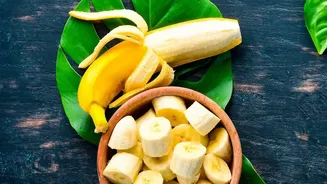
The banana peel facial has captivated millions online, with videos demonstrating the simple act of massaging the inner peel onto the skin. Proponents claim this kitchen scrap can act as 'natural Botox,' firming the skin, reducing the appearance of fine
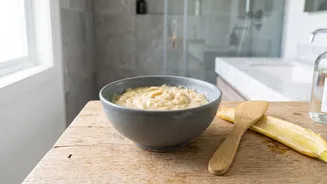
lines, soothing inflammation, and giving a radiant glow. The appeal is obvious: it’s an affordable, accessible, and seemingly natural solution that also reduces food waste. The instructions are straightforward: take a ripe banana peel, rub the white inner side on clean skin for a few minutes, let the residue sit for 10-15 minutes, and then rinse. With anecdotal testimonials flooding platforms like TikTok, it's easy to see why so many are tempted to try it.
The Claim: A Nutrient-Rich Miracle
The theory behind the trend is that banana peels are packed with skin-loving nutrients. They are rich in antioxidants like polyphenols, carotenoids, and vitamin C, which are known to fight free radical damage that contributes to ageing. Some sources also point to the presence of silica, a mineral linked to collagen production, and potassium, which can help with hydration. The inside of the peel also contains lutein, an antioxidant that may help hydrate and brighten skin. In theory, rubbing these compounds directly onto the face could transfer these benefits, offering a simple path to a better complexion. Some studies have even noted the high antioxidant and anti-inflammatory properties of compounds found within the peel itself.
The Reality: More Hype Than Help
Despite the compelling claims, dermatologists are largely sceptical. The consensus is that while banana peels do contain beneficial nutrients, there is no scientific evidence to prove that rubbing a peel on your face provides any significant or lasting benefits. The primary issue is absorption. Skincare products are scientifically formulated so that ingredients can effectively penetrate the skin's barrier. The nutrients in a raw banana peel are not in a form that your skin can easily absorb. Even if a minuscule amount were absorbed, the concentration of active ingredients in a single peel is far too low to produce a visible difference in wrinkles or skin tone. Any temporary tightening effect is more likely due to the astringent properties of tannins in the peel or the simple act of the residue drying on your skin, rather than any deep structural change.
Are There Any Risks?
For most people, trying the banana peel hack is unlikely to cause serious harm, but it's not entirely without risk. One major concern is pesticide residue. Conventionally grown bananas are often treated with chemicals that can remain on the peel and transfer to your skin, potentially causing irritation. If you have a banana allergy, applying it topically can trigger an allergic reaction, which could lead to redness, itching, and even worsen hyperpigmentation. Furthermore, the sticky, sugary residue from the peel could potentially clog pores and lead to breakouts, especially for those with acne-prone or sensitive skin. Some research has also indicated that banana peels can harbor microorganisms that are not ideal for therapeutic use on the skin.
Smarter, Proven Alternatives
If your goal is to reduce wrinkles and brighten your complexion, experts recommend sticking to methods with proven efficacy. For antioxidant protection and skin brightening, a well-formulated Vitamin C serum is a much more reliable choice. Vitamin C is a powerful antioxidant that is clinically proven to protect against environmental damage, boost collagen, and fade dark spots when used correctly. For tackling fine lines and wrinkles, retinoids (like retinol) remain the gold standard. They work by accelerating cell turnover and stimulating collagen production for smoother, firmer skin. And for hydration, look for ingredients like hyaluronic acid, which can hold many times its weight in water, providing a plumping effect that temporarily diminishes the look of fine lines. Finally, the most crucial step for preventing signs of aging is consistent, daily use of a broad-spectrum sunscreen.